Only 6% of American households now use an Xbox, PlayStation or Nintendo game console to stream video, down from 26% in 2015, according to a survey by Aluma Insights.
In 2011, 25% of Netflix subscribers used a Nintendo Wii and in 2013 PlayStation 3 became the most widely used TV-device for Netflix viewing, according to the company at the time.
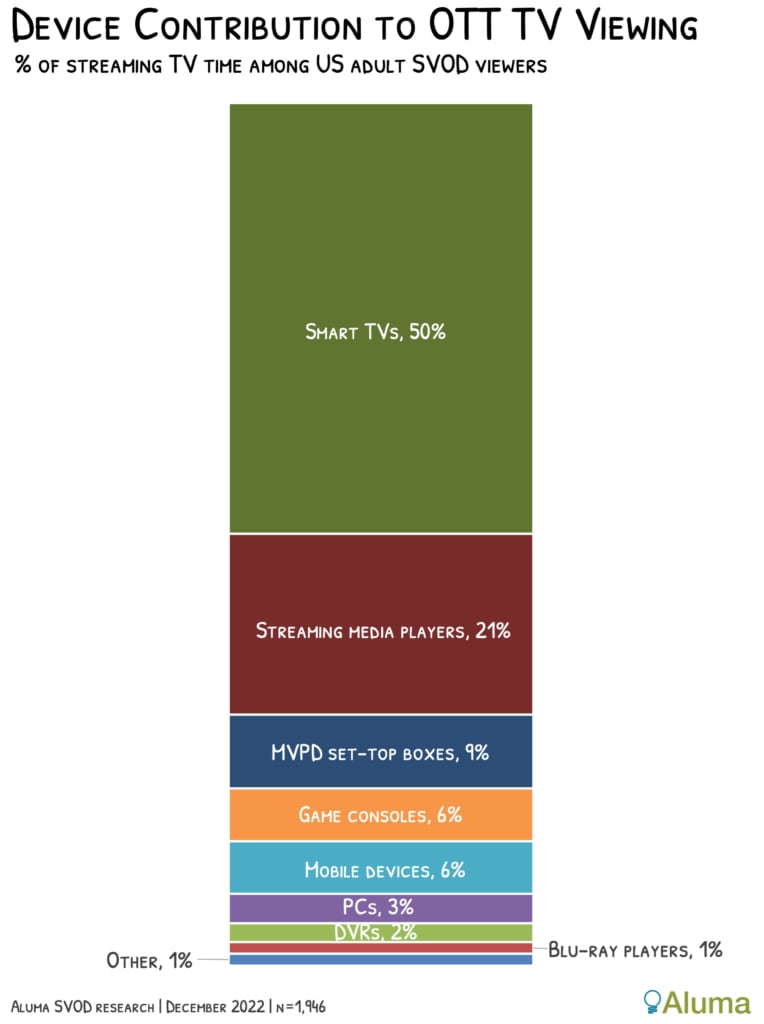
Times have changed and game consoles in general now account for only 6% of all streaming time (paid streaming services) amongst adults in the US. Smart TVs account for 50%, up from 27% in 2016. That is according to Aluma Insights' december 2022 survey.
This is good news as game consoles are poor streaming devices, with very high energy consumption, poor video and audio support, and lack of frame rate and dynamic range matching.
Energy consumption during video streaming
| Watts | Yearly at 4 hours per day |
|---|
| PlayStation 5 | 70–80 W | 102–117 kWh |
| PlayStation 4 (1. revision) | 90–95 W | 131–139 kWh |
| Xbox Series X | 46–57 W | 67–83 kWh |
| Xbox One S | 35 W | 51 kWh |
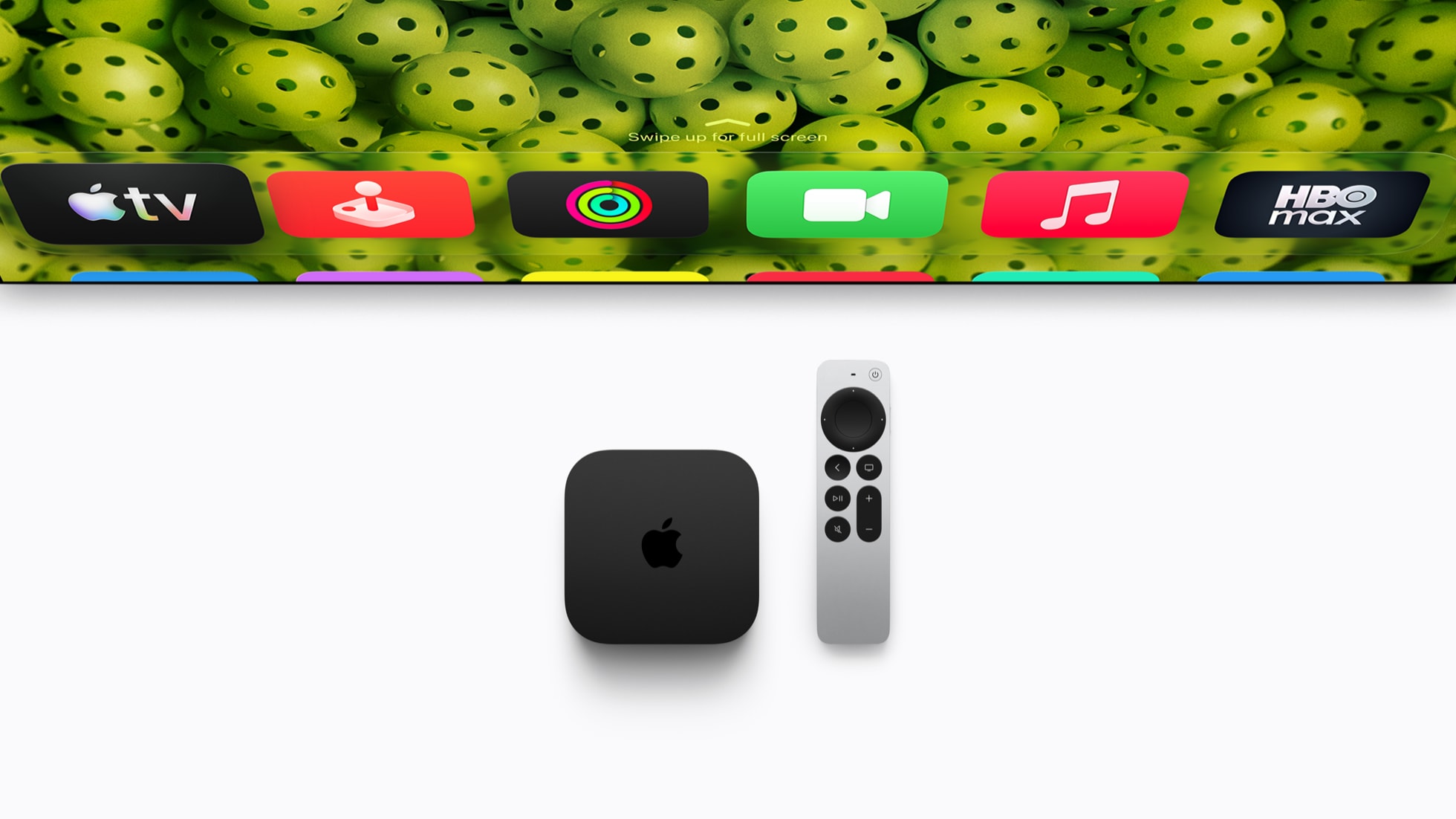
| Apple TV 4K (2nd Gen) | 3–4 W | 4–6 kWh |
| Chromecast with Google TV | 2,5–3,2 W | 3,7–4,7 kWh |
| Nvidia Shield | 6,9 W | 10 kWh |
FlatpanelsHDMedia players are still popular, but...
Lots of American adults still rely on a media player such as Apple TV 4K and Nvidia Shield or a set-top box from a TV distributor such as Comcast. Only 3% are using a PC and only 6% a mobile device for paid video streaming – excluding YouTube, TikTok etc.
- "This is an example of a well-worn migratory pattern. The newest, most feature-laden television goes to the living room and the set it replaces moves to the primary bedroom, then to the second bedroom, and so on. As this happens, the use of bridge devices to watch streaming video in all rooms of the home is further diminished," said Michael Greeson, founder of Aluma Insights.