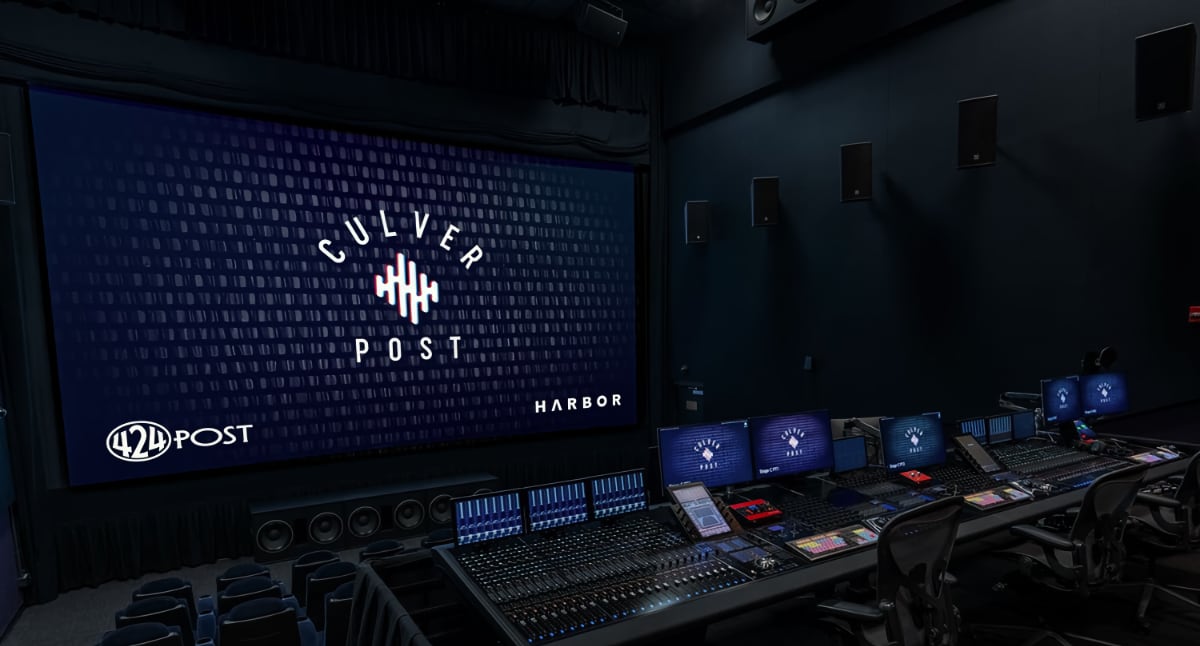
The new post-production studio, Culver Post, located inside Amazon's Culver Theater in Los Angeles, has installed 8K and 4K LED screens from Samsung for HDR and SDR mastering.
After a movie is filmed and before it gets released for you to enjoy, it goes to a post-production studio where editing, sound mixing, visual effects, color grading, and other tasks are carried out.
In the context of video, post-production studios are typically equipped with relatively small mastering monitors such as Sony's BVM monitors, larger OLED TVs as client monitors, and a projector to simulate the cinema experience.
LED screens replace projectors
Cinema projectors are not capable of reproducing HDR images, so Hollywood has started to experiment with LED screens. Not "LED" as in "(Q)LED TVs" but real huge LED screens, assembled from smaller modules, where each pixel is made up of RGB light emitting diodes – no LCD panel in sight.
In a joint press release, Samsung, 424 Post (a sound packaging studio), and Harbor (a post-production firm) announced that they have fitted two of their new post-production Culver Post stages inside Amazon-owned Culver Theater with Samsung LED screens.
Also read: Sony sets its sights on 4000 nits as HDR's next frontier
This will allow moviemakers to see how their SDR and HDR color-graded movies look in full size, with much improved blacks, brightness, contrast and detail compared to even state-of-the-art cinema projectors.
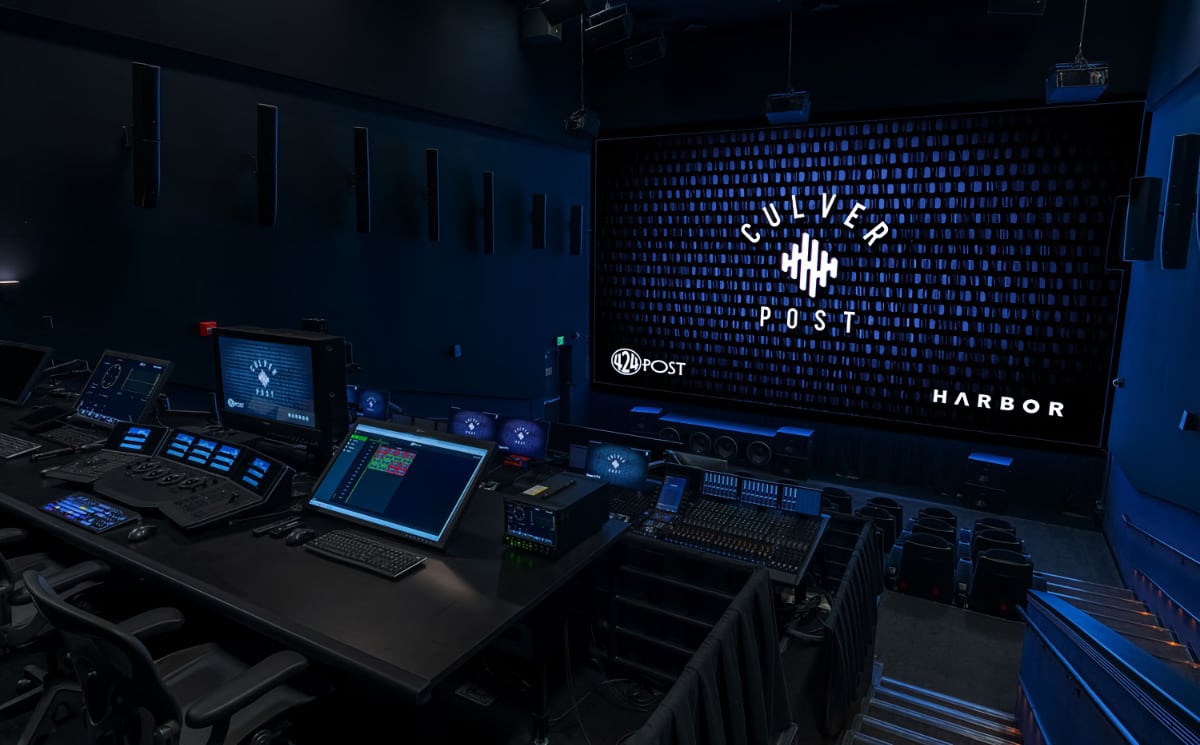
A sneak peek inside Culver Post's stage 1 with Samsung's 34-foot 8K LED screen. Photo: Samsung
The first stage is equipped with a 34-foot 8K IWA LED screen from Samsung, while the second is outfitted with a DCI-certified (Digital Cinema Initiative) 'Onyx' 4K LED screen, also from Samsung. These are complemented by Meyer Sound Ultra Reflex sound systems with Dolby Atmos. Culver Post's three other stages still rely on Christie 4K cinema projectors.
- "Samsung is committed to using innovative display technology to revolutionize the way that content is created and consumed," said David Phelps, Head of the Display Division, Samsung Electronics America. "The new Culver Post post-production studio marks a tangible milestone in the future of cinema and post-production. Filmmakers and creators can now edit and experience video content as it would be seen and heard on the big screen to enable immersive storytelling that leaves a lasting impact on audiences."
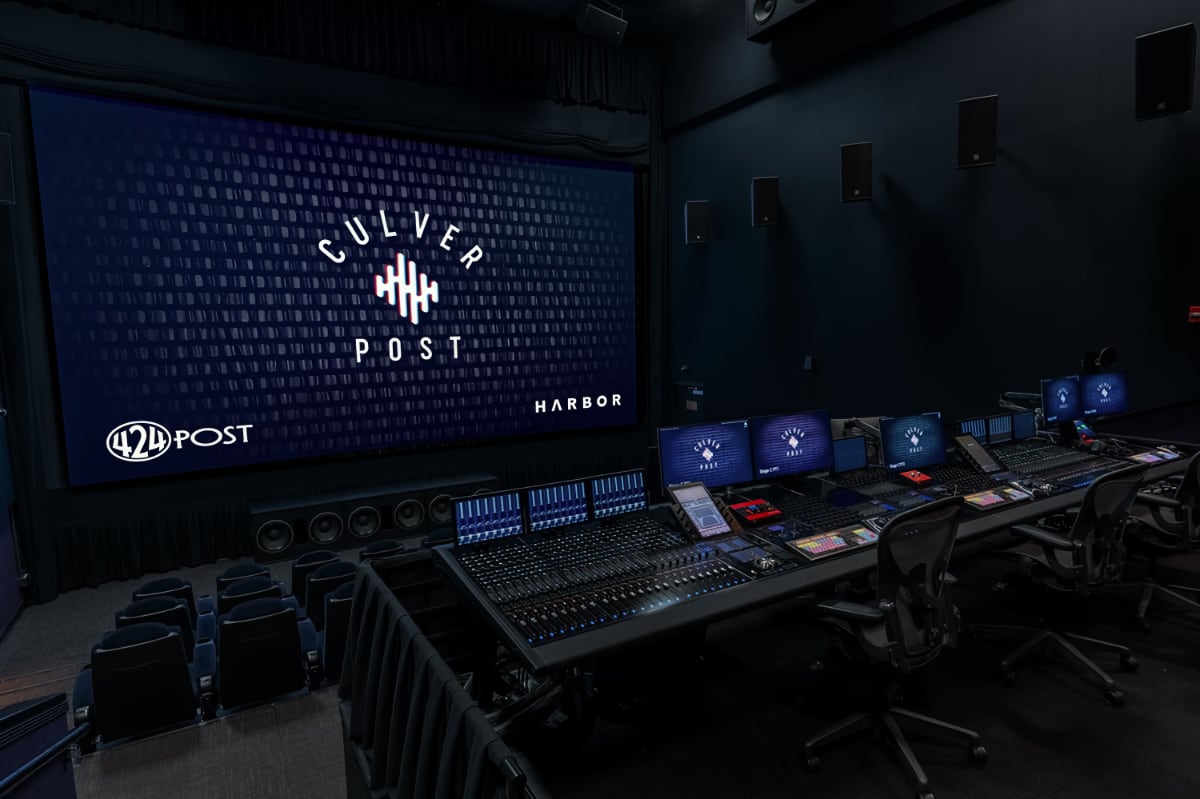
The post-production stage is also equipped with Sony's HDR reference monitors. Photo: Samsung
Next step: LED cinemas
The only way to experience movies – and games – in true HDR today is on an OLED or a high-end miniLED LCD screen. Cinemas will need to replace the projector with an LED screen to enable HDR.
There are only a handful of cinemas with LED screens in the world at this time, but conveniently some of them are in the same Culver Theater in Los Angeles, open to everyone.
Only select movies are shown in these LED cinemas but be aware that not all movies shown are optimized for it, or even in HDR. Additionally, motion can tend to look quite jarring due to 24fps judder, which gets significantly elevated in HDR. This is why Hollywood is starting to transition to cinematic HFR.
Also read: Why 24fps is not enough for HDR movies
LED screens can significantly elevate the cinema-going experience compared to projectors, but they are still very expensive to install, and there are various challenges including center audio. Moreover, the entire process of filmmaking in Hollywood must adapt and advance to accommodate them. Nonetheless, signs of this transition are starting to emerge, at least for high-end exhibition.
Also read: 'Elemental' is Pixar's first 4K HDR movie on the big screen