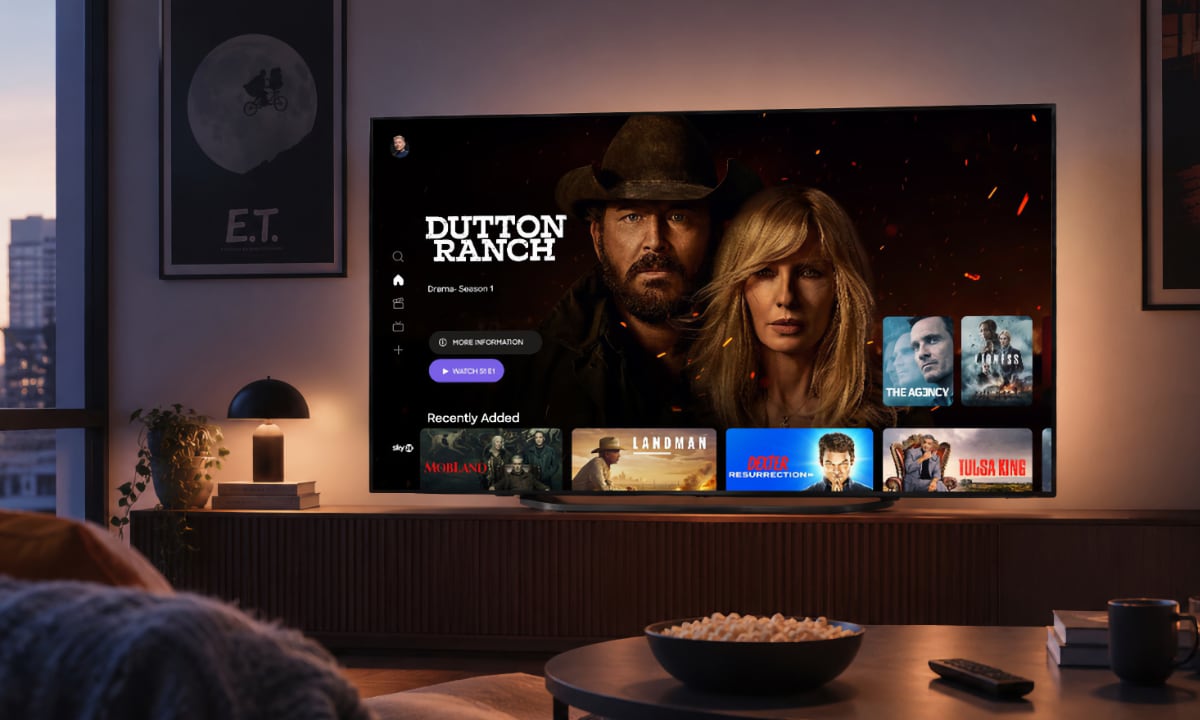
Smart TVs and streaming sticks are no longer designed primarily to serve you, the viewer – they serve advertisers. But there is an alternative.
While screensaver ads or full-screen ads may be annoying, the real issue lies beneath due to the connected TV industry's "massive data-driven surveillance apparatus" that has "long undermined privacy and consumer protection online", as outlined in a new report titled How TV Watches Us: Commercial Surveillance in the Streaming Era by the Center for Digital Democracy (CDD).
- "CTV (connected TV) has become a privacy nightmare for viewers," said report co-author Jeff Chester, executive director of CDD. "It is now a core asset for the vast system of digital surveillance that shapes most of our online experiences. Not only does CTV operate in ways that are unfair to consumers, it is also putting them and their families at risk as it gathers and uses sensitive data about health, children, race and political interests."
- "Regulation is urgently needed to protect the public from constantly expanding and unfair data collection and marketing practices."
The CDD, founded in 2001, said that its "mission is to ensure that digital technologies serve and strengthen democratic values, institutions, and processes". Based on the findings of its report, CDD has submitted letters to the FTC, FCC, the California Attorney General, and the California Privacy Protection Agency.
Why they want your data
Collecting data on your viewing habits goes far beyond the ads shown on your TV screen. This data is used to create a detailed profile of you and your family, allowing advertisers to target individuals across the internet.
- "Advertising and data collection are now the driving force in the connected television industry, shaping all of its operations, influencing its program offerings, and spawning a new generation of channels," the report explained.
This shift is evident in the evolution of TV platforms such as Google TV, LG's webOS, Samsung's Tizen, Roku OS and Amazon's Fire TV, especially in recent years. These platforms now prioritize ads, free channels and redesigned homescreens that prominently feature "recommendations" (partner ads).
A key method for gathering data is Automatic Content Recognition (ACR), which "is integrated within a TV’s operating system, where it captures frame-by-frame screenshots of content" on your TV. This includes everything from streamed videos and linear channels to video games.
The alternative
Roku was mentioned 178 times in the report, Google/YouTube 120 times, Disney 117 times, Amazon 104 times, LG 81 times, Samsung 77 times, and Vizio 62 times.
Notably, Apple was not mentioned even once.
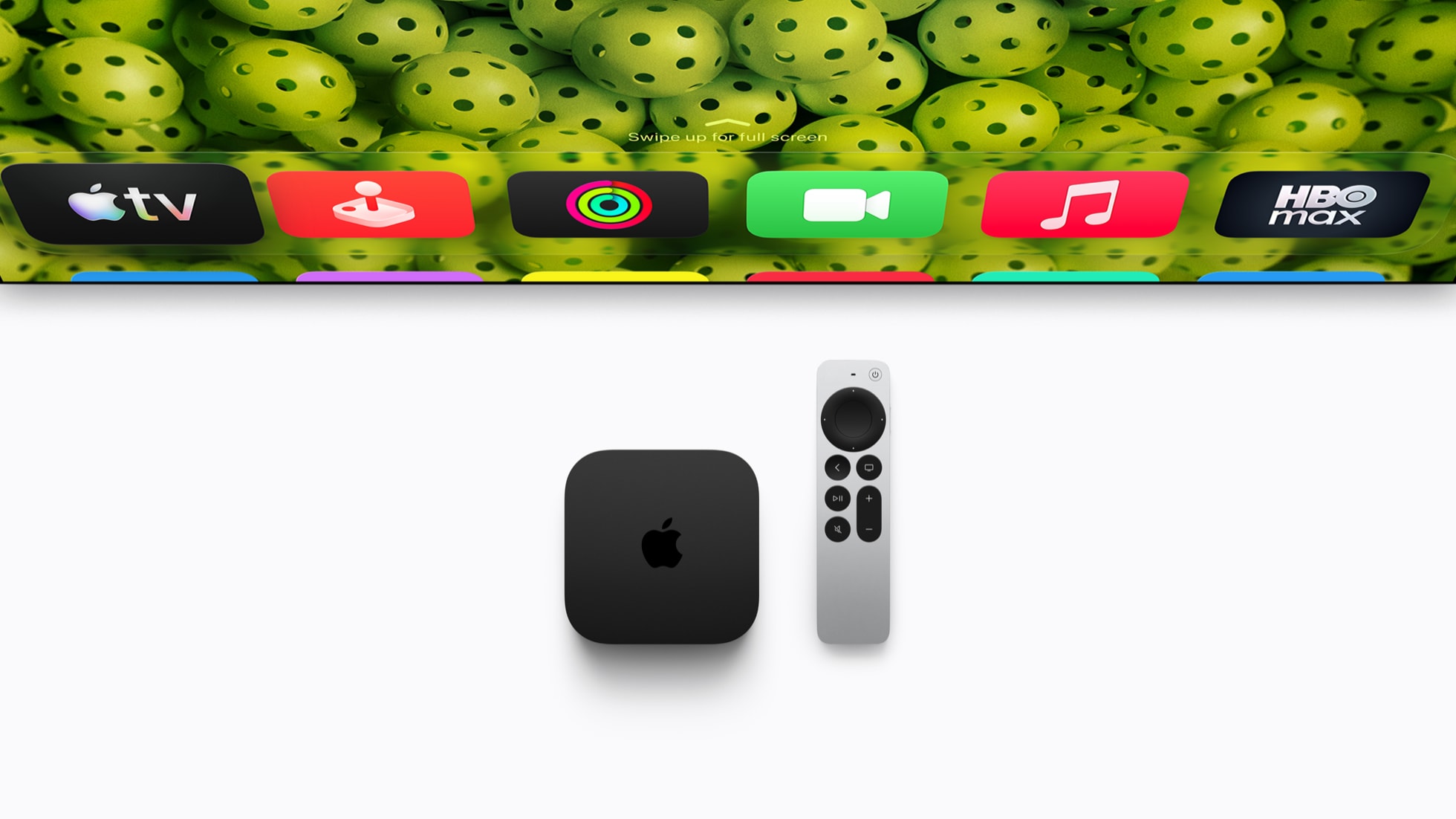
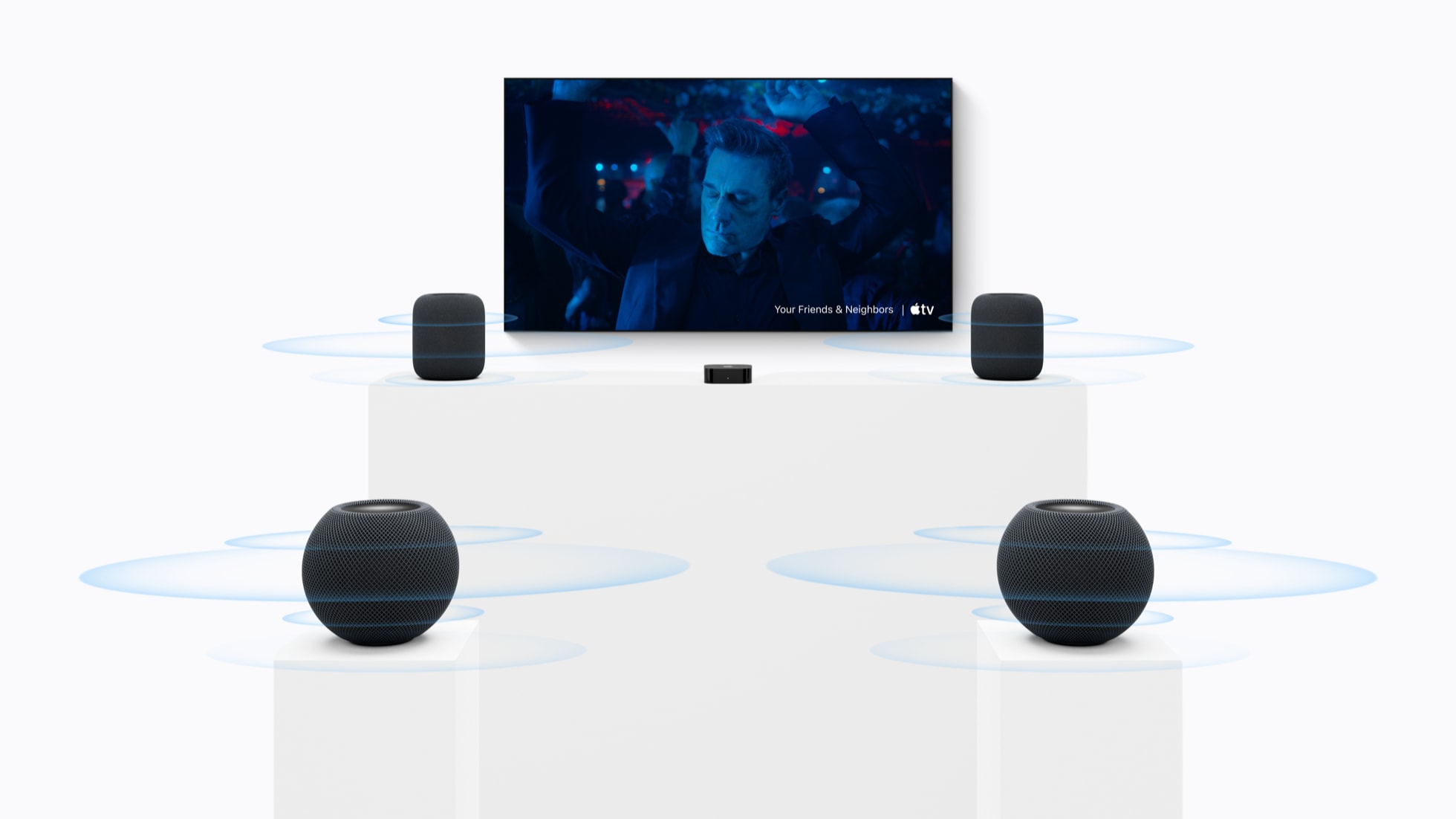
While these other companies have built their TV platforms around ads and data collection, Apple takes a different approach by generating revenue from the Apple TV box and tvOS when users buy apps or games from the App Store or subscribe to video streaming services and channels through it. Optical disc players, such as UHD Blu-ray players, do not track you either.
You should also steer clear of free or paid ad-supported streaming services.
To completely avoid Automatic Content Recognition (ACR) you must disconnect your TV from the internet, even if you are using an external media or disc player.
Key trends and facts from the report
| Key trends:
Leading streaming video programming networks, CTV device companies and "smart" TV manufacturers, allied with many of the country's most powerful data brokers, are creating extensive digital dossiers on viewers based on a person's identity information, viewing choices, purchasing patterns, and thousands of online and offline behaviors.
So-called FAST channels (Free Advertiser-Supported TV)—such as Tubi, Pluto TV, and many others—are now ubiquitous on CTV, and a key part of the industry's strategy to monetize viewer data and target them with sophisticated new forms of interactive marketing.
Comcast/NBCU, Disney, Amazon, Roku, LG and other CTV companies operate cutting-edge advertising technologies that gather, analyze and then target consumers with ads, delivering them to households in milliseconds. CTV has unleashed a powerful arsenal of interactive advertising techniques, including virtual product placement inserted into programming and altered in real time. Generative AI enables marketers to produce thousands of instantaneous "hypertargeted variations" personalized for individual viewers.
Surveillance has been built directly into television sets, with major manufacturers' "smart TVs" deploying automatic content recognition (ACR) and other monitoring software to capture "an extensive, highly granular, and intimate amount of information that, when combined with contemporary identity technologies, enables tracking and ad targeting at the individual viewer level," the report explains.
Connected television is now integrated with online shopping services and offline retail outlets, creating a seamless commercial and entertainment culture through a number of techniques, including what the industry calls "shoppable ad formats" incorporated into programming and designed to prompt viewers to "purchase their favorite items without disrupting their viewing experience," according to industry materials.
Examples of technologies used to monitor and target viewers:
Set manufacturer Samsung TV promises advertisers a wealth of data to reach their targets, deploying a variety of surveillance tools, including an ACR technology system that "identifies what viewers are watching on their TV on a regular basis," and gathers data from a spectrum of channels, including "Linear TV, Linear Ads, Video Games, and Video on Demand." It can also determine which viewers are watching television in English, Spanish, or other languages, and the specific kinds of devices that are connected to the set in each home.
The Walt Disney Company has developed a state-of the-art big-data and advertising system for its video operations, including through Disney+ and its "kids" content. Its materials promise to "leverage streaming behavior to build brand affinity and reward viewers" using tools such as the "Disney Audience Graph—consisting of millions of households, CTV and digital device IDs… continually refined and enhanced based on the numerous ways Disney connects with consumers daily." The company claims that its ID Graph incorporates 110 million households and 260 million device IDs that can be targeted for advertising using "proprietary" and "precision" advertising categories "built from 100,000 attributes."
Comcast's NBCUniversal division has developed its own data-driven ad-targeting system called "One Platform Total Audience." It powers NBCU's "streaming activation" of consumers targeted across "300 end points," including their streaming video programming and mobile phone use. Advertisers can use the "machine learning and predictive analytics" capabilities of One Platform, including its "vast… first-party identity spine" that can be coupled with their own data sets "to better reach the consumers who matter most to brands." NBCU's "Identity graph houses more than 200 million individuals 18+, more than 90 million households, and more than 3,000 behavioral attributes that can be accessed for strategic audience targeting." |
FlatpanelsHD