While DTS led during the Blu-ray era, the tide has turned with UHD Blu-ray and streaming, where DTS:X is losing to Dolby Atmos.
Good luck finding a recent Blu-ray release with DTS:X audio.
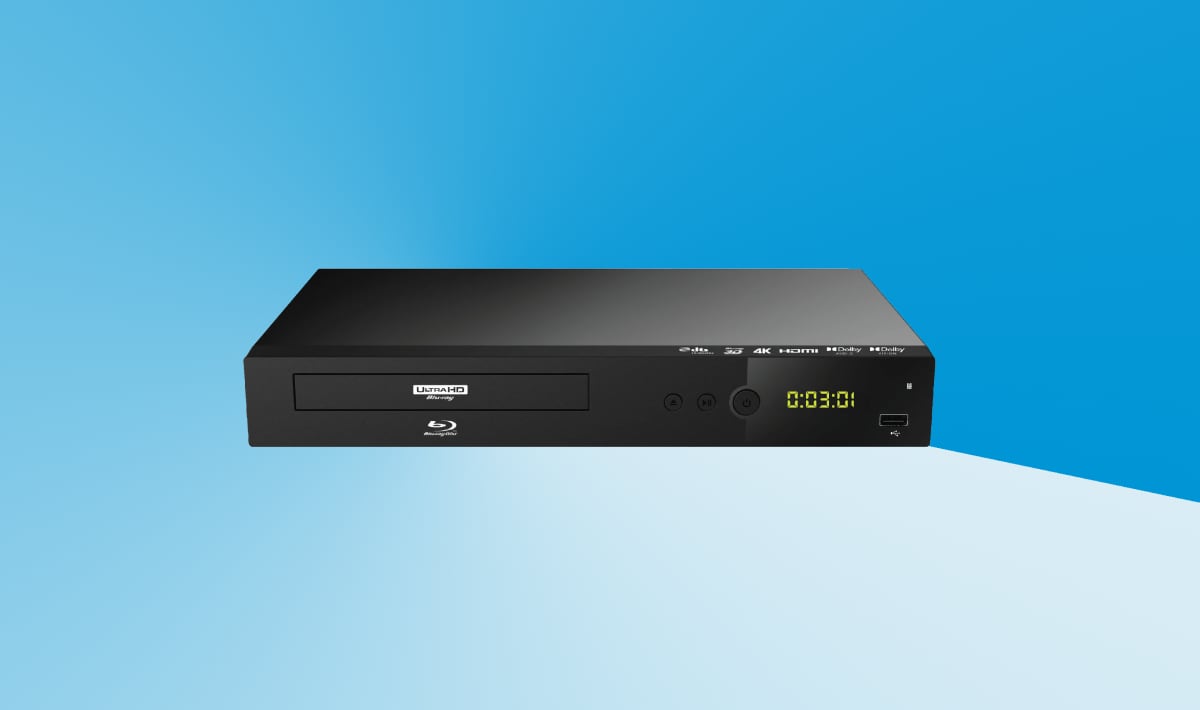
Since early December 2024, not a single Blu-ray, 3D Blu-ray or UHD Blu-ray released in Germany – one of the largest disc markets – has included DTS:X audio, as noted by German publication 4KFilme.
The picture is similar across Europe and the US, where the last DTS:X release was in January 2025; an Amazon-exclusive steelbook edition of The Last Witch Hunter. The next known DTS:X title is a limited-edition UHD Blu-ray of Serenity scheduled for mid-July 2025.
In FlatpanelsHD's UHD Blu-ray database, there are 113 titles with DTS:X, 616 titles with Dolby Atmos, and one title with Auro-3D. The majority of the UHD Blu-ray titles with DTS:X were released in 2019 or earlier.
Already in the tea leaves
The writing has been on the wall for years as DTS:X has struggled to compete with Dolby Atmos on the new market for more immersive surround sound, but the format's vanishing presence is still notable.
This marks a reversal of the power dynamic from the Blu-ray era, before object-based audio, 4K and all that.
Back then, DTS was the dominant audio format on Blu-ray, with studios like 20th Century Fox, Paramount, Universal and Lionsgate favoring DTS-HD MA. Dolby TrueHD was used less frequently, primarily by Warner Bros and occasionally Disney.
Even worse in streaming
On streaming platforms, Dolby Atmos reigns supreme. DTS:X support is limited to just two services, Disney+ and Sony Pictures Core (formerly Bravia Core), with both offering it under the IMAX Enhanced banner.
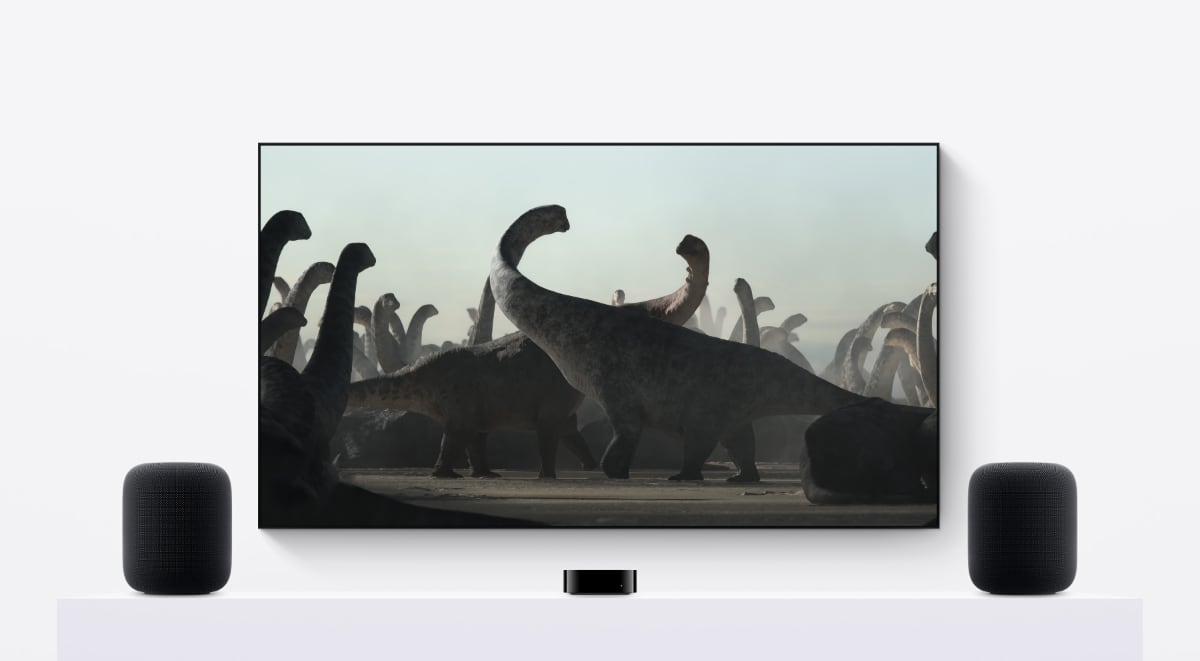
Worse still, many Smart TVs and media players lack support for DTS:X, or DTS audio entirely. LG has once again dropped DTS support in its 2025 TVs, while Samsung has excluded it for years. Neither Apple TV 4K nor Google TV Streamer support DTS:X either.
Also read: Guide to Dolby Atmos at home
So far, the only devices we have confirmed to support IMAX Enhanced DTS:X audio from Disney+ are Philips Google TVs. While it should also work on newer TCL Google TVs, it currently does not, as detailed in our reviews.
Can DTS reverse its fortunes?
IMAX Enhanced DTS:X audio was DTS' answer to Dolby Atmos in the streaming space. It uses a new DTS:X profile 2 with compressed audio, i.e. no longer lossless.
In other words, DTS appears to have already played its hand without gaining significant hardware support or traction in streaming, Without a major partnership with a company like Apple or Samsung, it is hard to see how DTS can compete with Dolby.
Meanwhile, a third player is entering the scene with Eclipsa Audio, developed by Google and Samsung under the Alliance for Open Media. This suggests that both companies are more interested in promoting their own format than positioning DTS:X as a Dolby Atmos alternative.
Also read: Eclipsa Audio is also coming to Google TV, LG TVs, Android, more