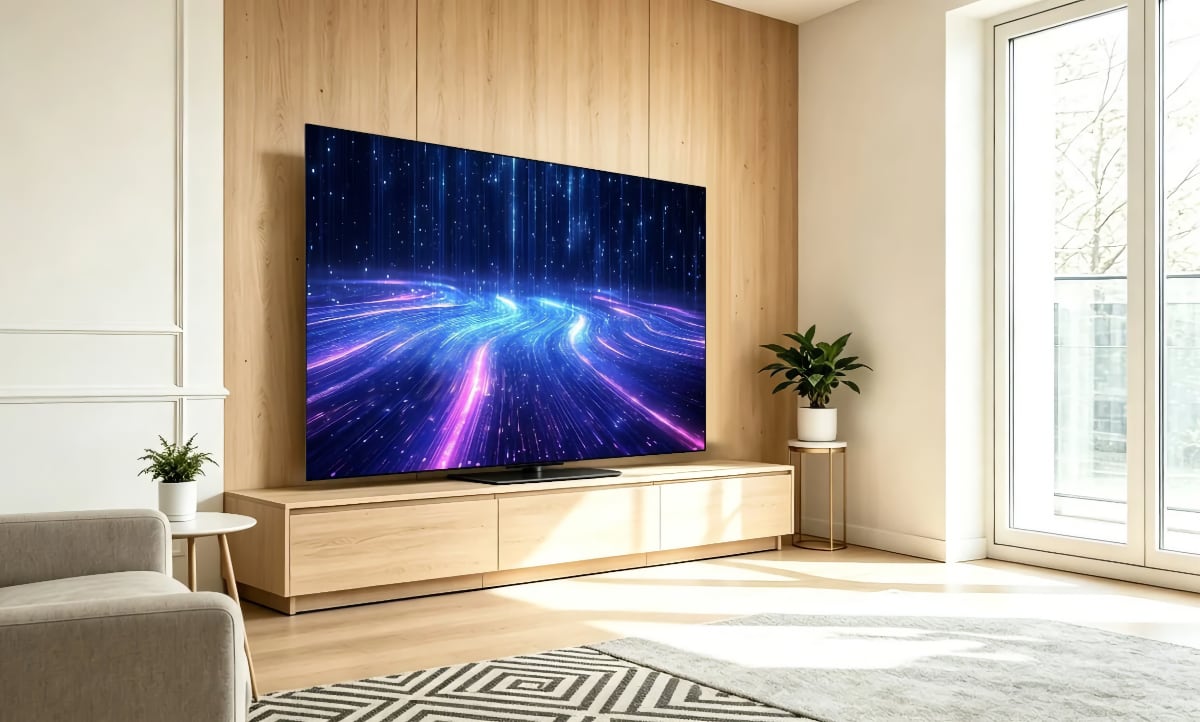
The new LCD TVs from Hisense and Samsung – and soon TCL and Sony – use RGB LED to improve colors and backlight control. The first ones measure 115 and 116 inches – and come with even larger price tags.
The TVs were first unveiled at CES in January and are launching now from Hisense and Samsung. Sony previously showcased the same technology and TCL has similar plans.
Beloved child has many names. Samsung refers to the technology as 'Micro RGB' (renamed from 'RGB micro LED' in January), Hisense calls it 'TriChroma' or 'RGB-MiniLED', TCL talks about 'RGB miniLED', and Sony sticks with 'RGB LED'.
What is RGB LED?
All of them are LCD TVs, specifically an evolution of miniLED LCD.
Instead of blue light emitting diodes behind the LCD panel, as in miniLED, these TVs are equipped with red, green and blue (RGB) LEDs. There are not enough RGB LEDs to act as individual pixels – as in microLED displays – so the LCD panel is still necessary to control light and color.
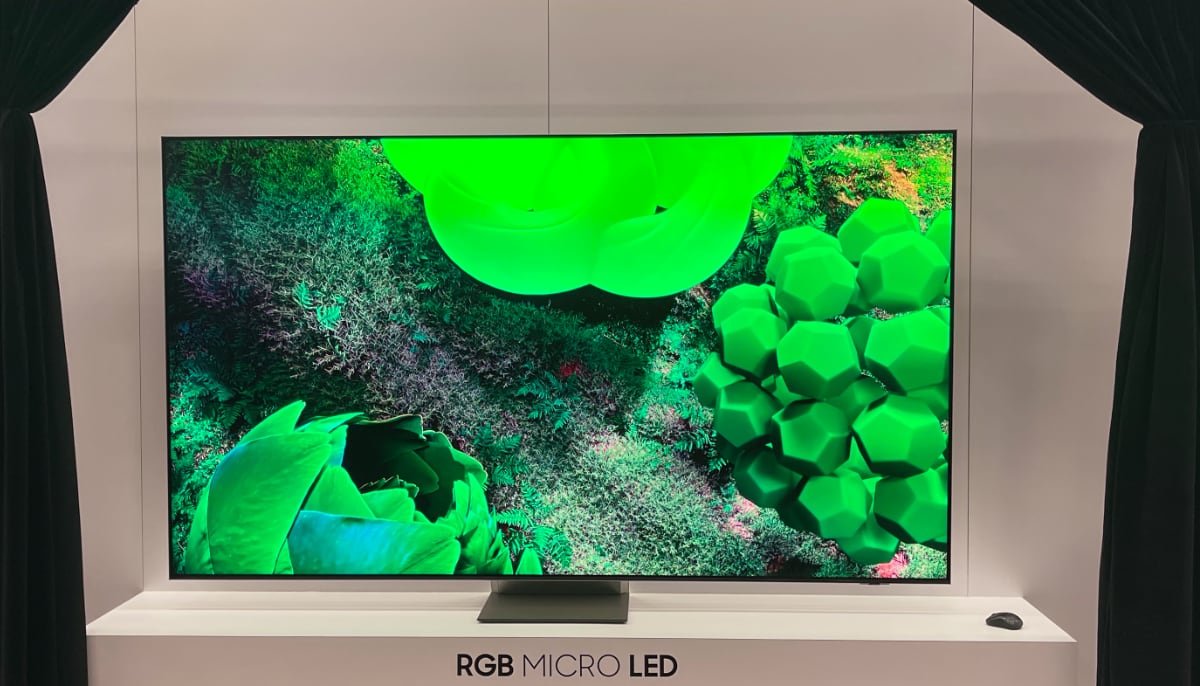
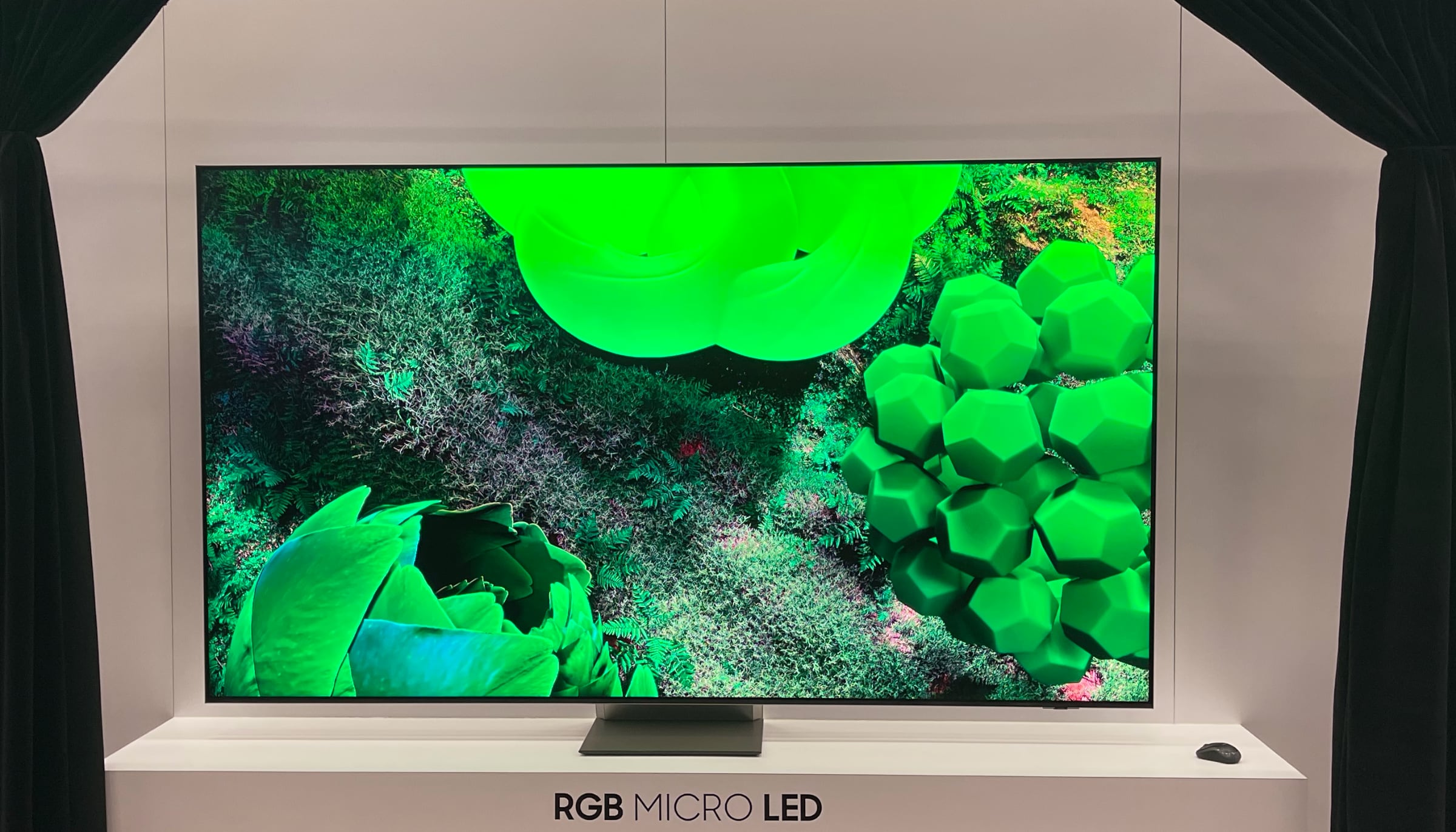
Samsung’s 98-inch Micro RGB LCD TV at CES 2025. Photo: FlatpanelsHD
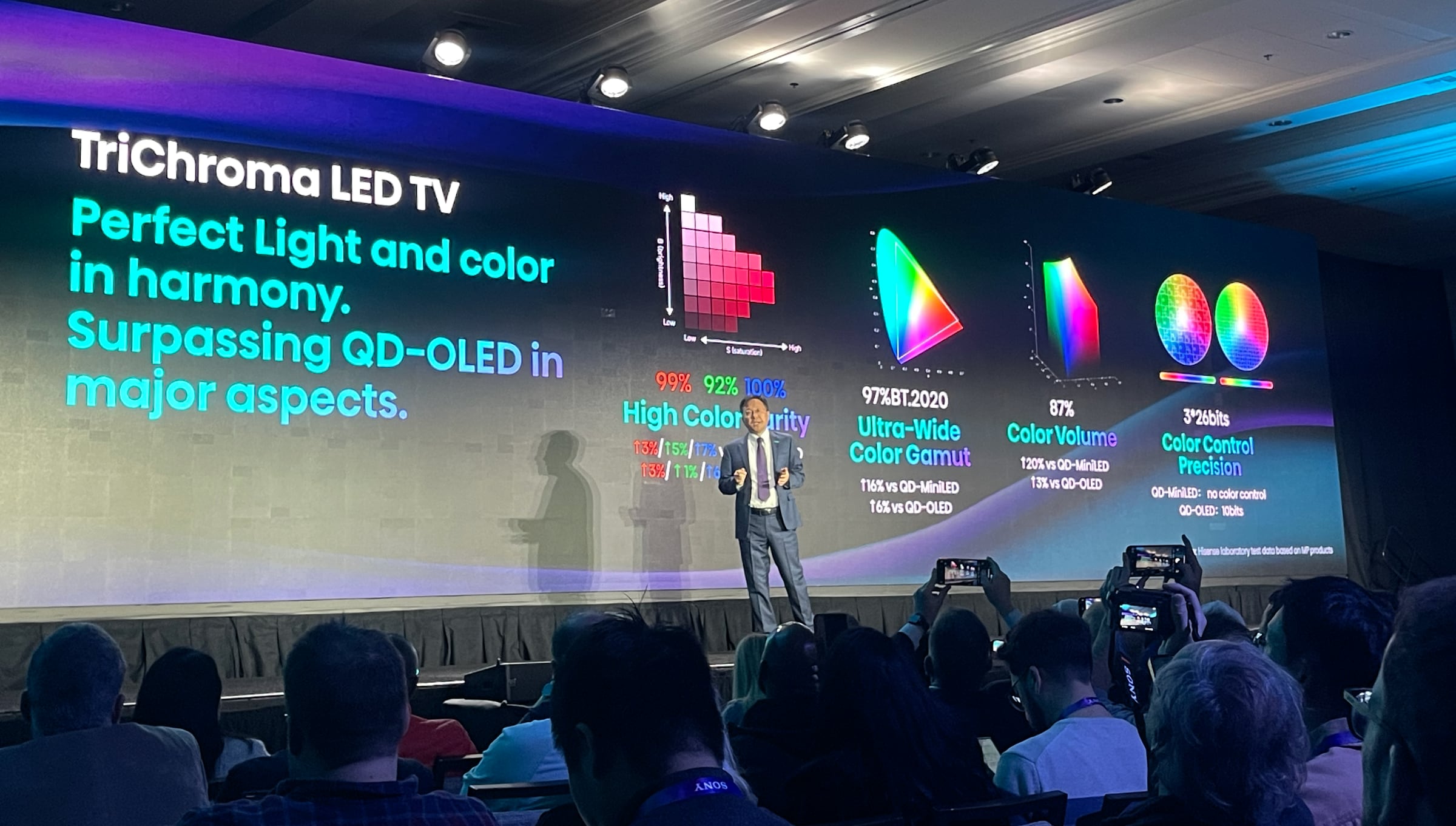
FlatpanelsHD saw the TVs in action at CES in January, and it was in many ways an impressive demonstration, with a noticeably larger color gamut than current miniLED LCD TVs. Hisense claims 95-97% Rec.2020 colors and up to 8000 nits peak brightness. It is also claimed that power consumption is reduced.
Samsung calls it "micro" because their LEDs measure less than 100 micrometers. There is no definitive industry standard but 100 micrometers is often used as the threshold between "mini" and "micro". Hisense's RGB LEDs are reportedly larger than 100 micrometers.
The TVs come equipped with all the usual features, including HDMI 2.1, Dolby Atmos speakers, streaming apps, and support for HDR video. At CES, Samsung expected the TV to launch with 8K resolution but in the end the company has settled for 4K resolution. As has Hisense.
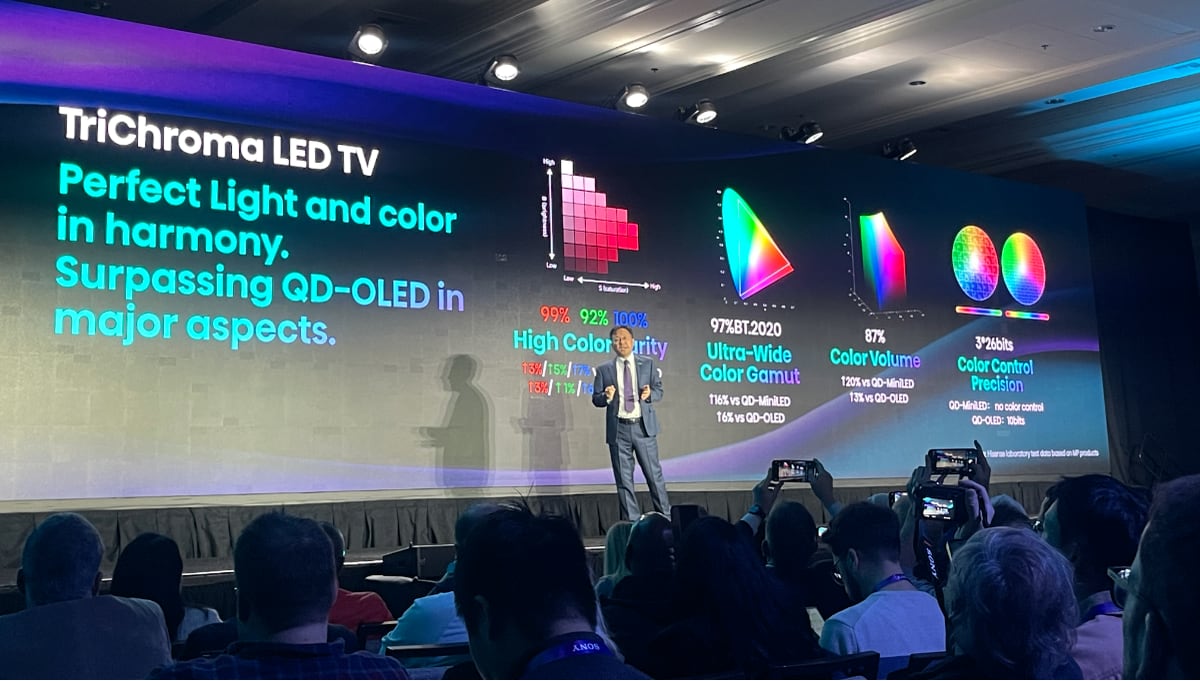
Hisense presented its RGB miniLED technology at CES 2025. Photo: FlatpanelsHD
Launching now
Sony's version is expected to launch in 2026, but Hisense and Samsung are starting now. Hisense starts in the USA and Samsung in South Korea, before expanding to more regions later this year.
Both Hisense’s 116-inch UXQ model and Samsung’s 115-inch MR95F model cost around $30,000 dollars. Hisense is also launching a 100-inch version for $20,000.
With their astronomical price tags, the TVs are unlikely to sell in large numbers, but it is our first glimpse into the next generation of LCD TVs. Based on our initial impressions, we still do not see them matching the best OLED TVs on the market, though they have advantages in certain areas, such as brightness.
However, they surpass the the largest OLED TVs in size. The considerably smaller 97-inch OLED TVs carry a price tag of approximately $20,000. And with 115/116 inches in diagonal, these TVs serve as genuine home theater alternatives to projectors.