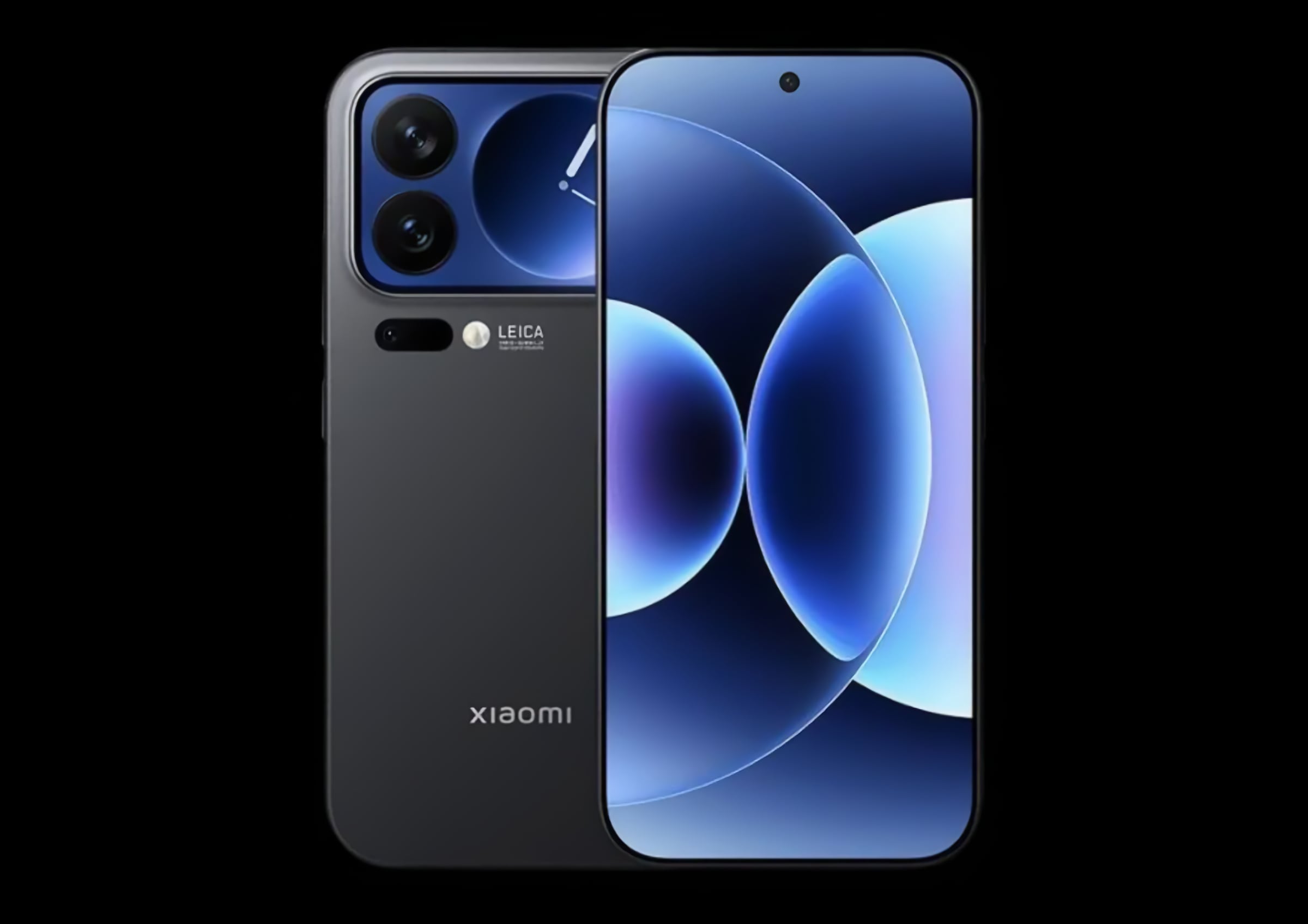
After more than a decade of PenTile OLED panels in smartphones and other handheld devices, Xiaomi is reintroducing RGB OLED with its new 17 Pro Max.
Xiaomi hinted at the move during the launch of the Xiaomi 17 range, and display maker TCL CSOT has now confirmed it.
For the first time, according to TCL CSOT, the Xiaomi 17 Pro Max uses a 'Real RGB OLED' panel. The smartphone features a 6.9-inch display with 2608x1200 resolution and up to 3500 nits peak brightness.
RGB vs. PenTile
If you have been following display technology for a while, you may recall that some early smartphones over 15 years ago used RGB OLED panels. Back then, Samsung Display openly criticized PenTile for sharing red and blue subpixels, which degrades picture and text clarity compared to independent red, green and blue (RGB) subpixels.
At the time, FlatpanelsHD ran a series of articles on PenTile. Our article on Galaxy Nexus was widely quoted and shared.
Eventually, Samsung Display went all-in on PenTile to keep up in the resolution race, leading to PenTile OLED becoming standard in Samsung Galaxy, Apple iPhone, and many other handheld devices. While higher resolutions and software compensation have made PenTile's shortcomings harder to spot, RGB pixels deliver superior picture quality.
 Left: PenTile pixels are shared. Right: RGB pixels are independent. Photo: Xiaomi
A return to RGB?
It now seems possible that handheld devices could be returning to RGB OLED. According to TCL CSOT, these panels offer higher effective resolution, better text and picture clarity as well as 26% lower power consumption.
While Xiaomi's 17 Pro Max is the first confirmed smartphone with this panel, TCL CSOT has been touting 'Real RGB OLED' for some time as part of its major push into printed OLED production. The display maker reportedly began sampling the RGB OLED panels to smartphone makers in early 2025. TCL CSOT's first RGB OLED panel is not inkjet-printed, however, instead using traditional production (fine metal mask), according to UBI Research.
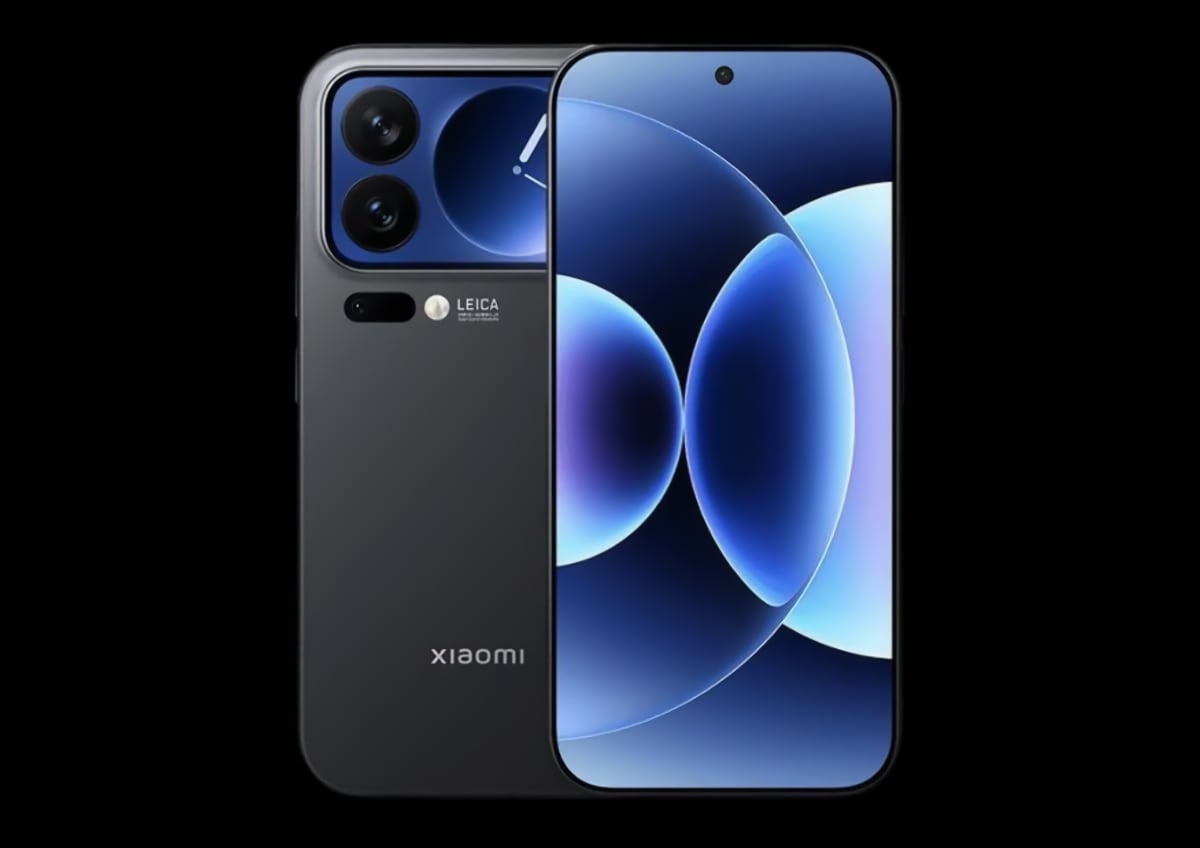 Xiaomi 17 Pro Max has a display on the back, too. It is also made by TCL CSOT. Photo: Xiaomi