The UHD Alliance has introduced Filmmaker Mode version 1.1 with ambient light compensation, using a TV's light sensor to optimize the picture for your viewing environment.
In 2019, Hollywood filmmakers such as Paul Thomas Anderson, Martin Scorsese and Christopher Nolan joined forces with TV manufacturers to create Filmmaker Mode, designed to reproduce movies as they were intended.
Also read: What is Filmmaker Mode and which TV models support it?
The mission remains the same, but the UHD Alliance acknowledges that movies can appear too dark in bright viewing environments, which is what the new ambient light compensation feature aims to address.
- "The UHD Alliance's Filmmaker Mode, can now work with a TV's ambient light compensation sensor to automatically adjust the picture based on the lighting in the room. This innovative feature addresses the challenges faced in non-reference viewing environments, ensuring that your creative vision is preserved regardless of ambient lighting conditions," the UHD Alliance said this week.
How Ambient Filmmaker Mode works
Filmmaker Mode was originally optimized for a reference viewing environment (5 nits). In a dark reference setting, Filmmaker Mode remains unchanged and does no picture processing, even with the ambient light mode enabled.
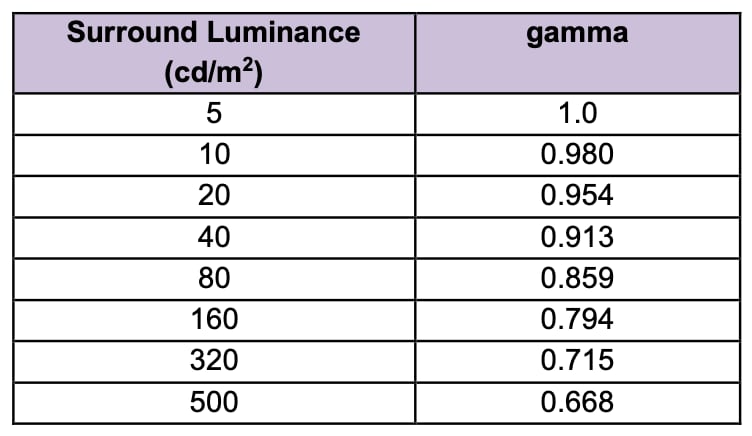
In brighter rooms, the TV's built-in light sensor measures ambient light conditions and Filmmaker Mode adjusts the picture accordingly, mimicking how the human eye adapts to brighter environments. The brighter the room, the more the feature compensates (see table at the bottom) to maintain dark details in the picture and increase overall brightness. It will never raise the black level, the alliance confirmed.
- "The fact that we can now see on a TV the correct color is cathartic," said Steven Fierberg, cinematographer and director of photography on A Nightmare on Elm Street 4, speaking to MediaPlaynews at the launch event. "I'm happier with how the film looks now than I ever was."
The UHD Alliance has specifically developed an Ambient Light Compensation (ALC) algorithm as part of the Filmmaker Mode v1.1 specification. It works across SDR, HDR10 and Dolby Vision content.
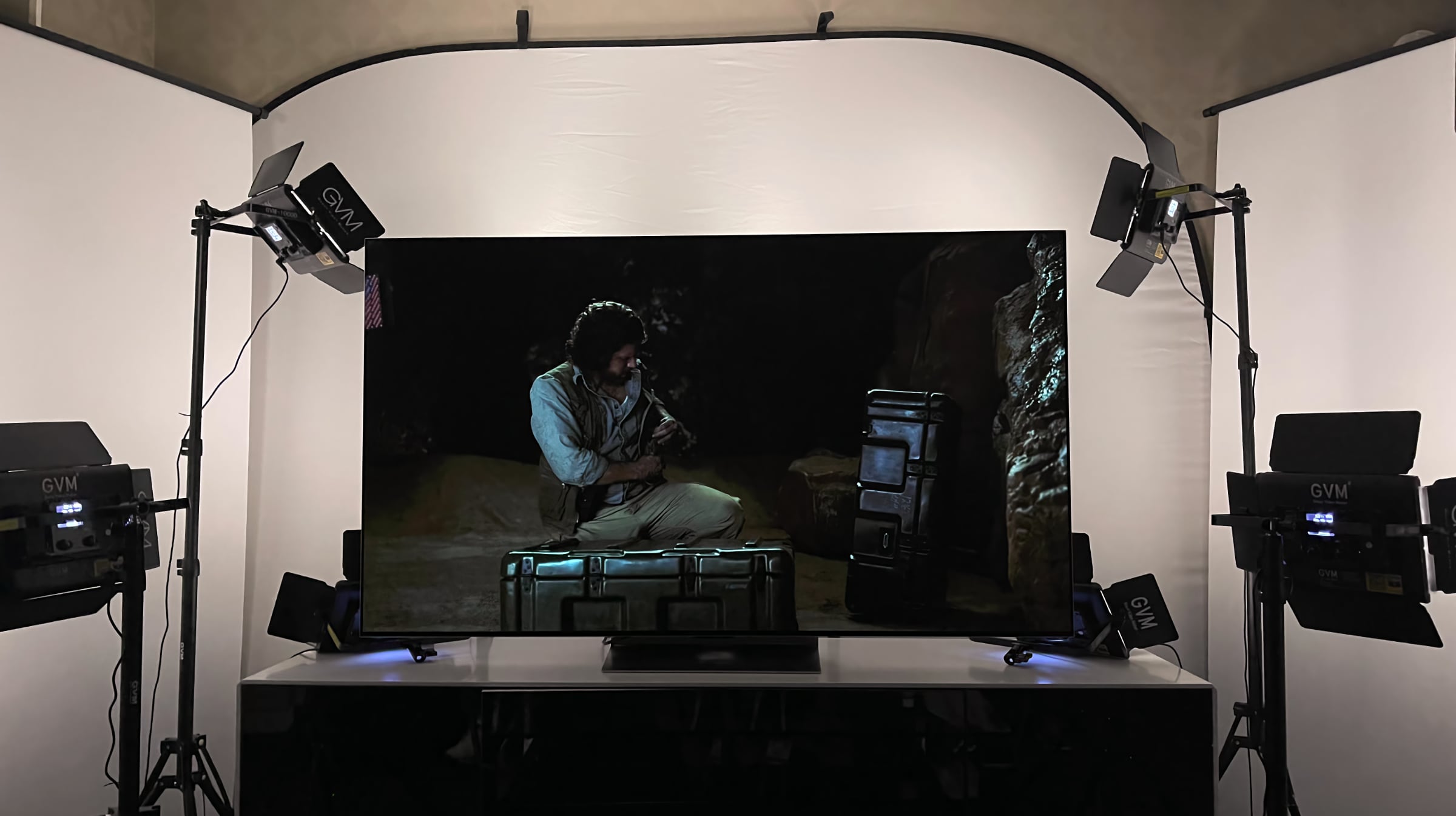
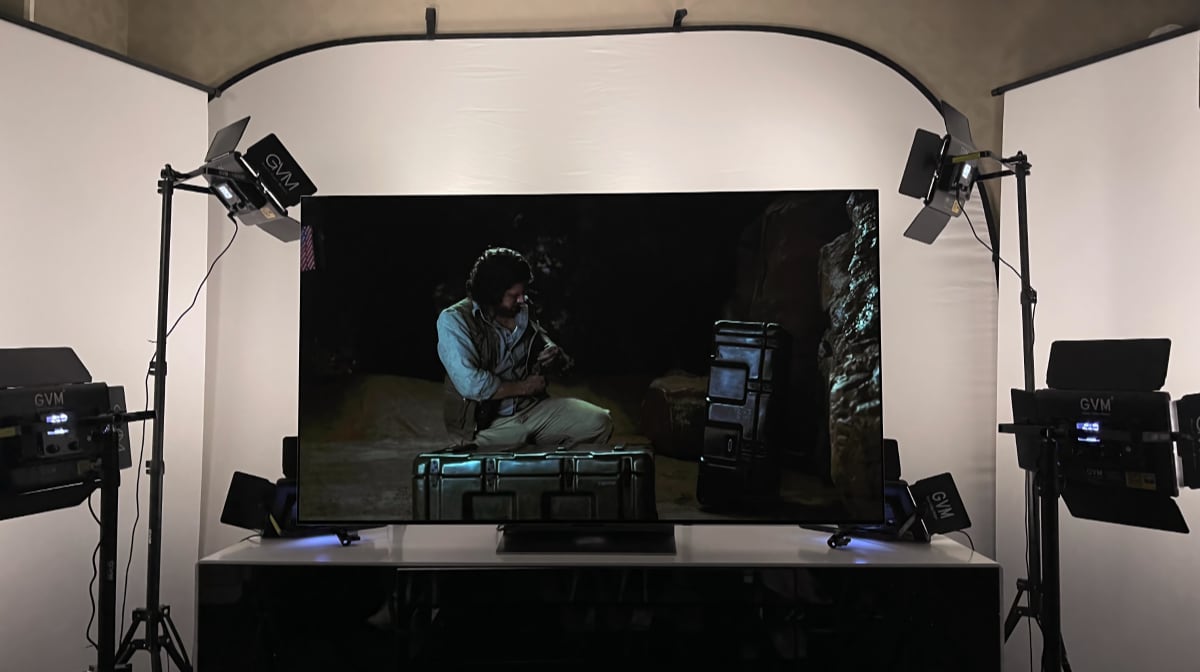 An early demo of the Ambient Filmmaker Mode at CES 2024. Photo: FlatpanelsHD
It is already out there
FlatpanelsHD received a private demonstration of Ambient Filmmaker Mode at CES 2024 in a setup that simulated gradually changing lighting conditions. We left the demo convinced that it can improve the viewing experience in typical living rooms.
However, we have some concerns about edge cases, for example when the TV is placed in front of a window with its light sensor facing the room. This has traditionally been a hardware-related challenge for TVs with a single light sensor.
Ambient Filmmaker Mode is already available in select 2025 models, including LG's C5 and G5 OLED TVs where it can be enabled via the 'Filmmaker Mode Ambient Light' setting. More TV brands are expected to adopt it in 2026 and beyond.
Most TV makers already use their built-in light sensors to adapt the picture. However, this has not previously worked in Filmmaker Mode. Dolby and HDR10+ use similar approaches with Dolby Vision IQ and HDR10+ Adaptive.
The light algorithm was developed in collaboration with Hollywood colorists, studio executives, UHDA members, ASC members and the Colorist Society.
Currently, the algorithm adjusts luminance parameters but does not alter color (RGB) or color temperature. Screen reflections were not considered in this implementation but may be addressed in a future update to Filmmaker Mode, said the UHD Alliance.
Ambient Filmmaker Mode' compensation algorithm
The gamma exponent value used by the compensation algorithm depends on the estimated average surround luminance in close proximity of the display showing the content. The table below defines the relationship between the average surround luminance and the compensating gamma value.
 |
FlatpanelsHD