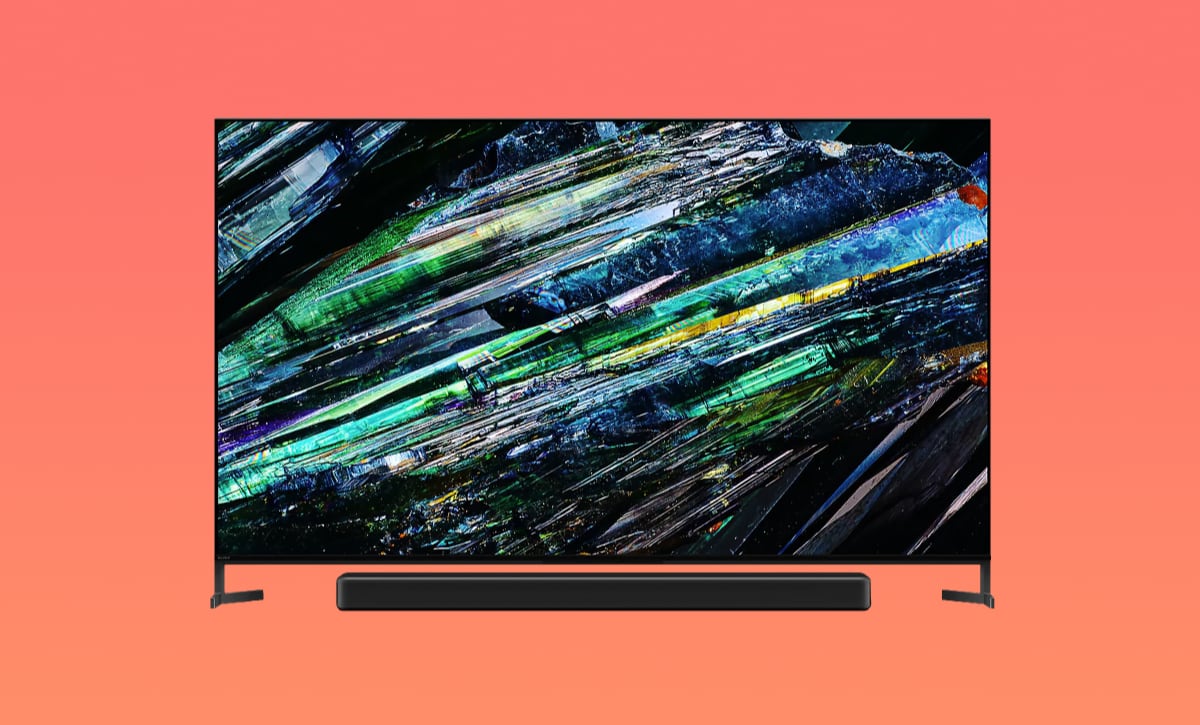
The next generation of nanocrystals or quantum dots, usable in both LCD and OLED TVs, could exceed RGB LED in color reproduction.
The first affordable LCD TVs with RGB LED backlights are expected in 2026, but they will not be the only type of display to approach the purest colors (Rec.2020) defined by current HDR standards such as HDR10+ and Dolby Vision.
Perovskite nanocrystals or eventually perovskite quantum dots (P-QD) are emerging as 3rd-generation color conversion layer for LCD and QD-OLED, potentially delivering over 95% Rec.2020 colors with movies, series and games in HDR format.
Perovskite color conversion
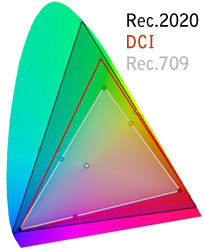 Rec.709 = HD color
DCI = cinema color
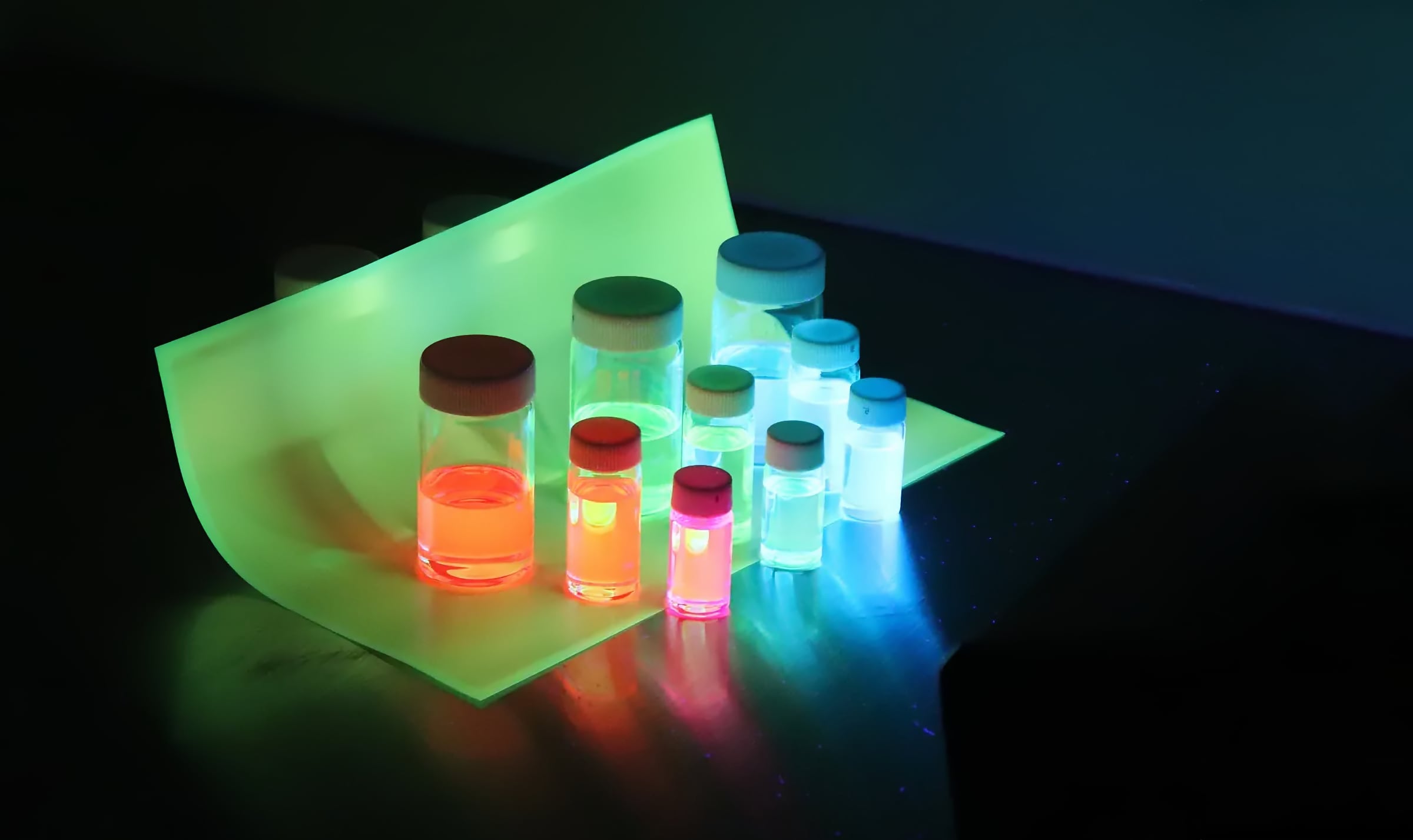
Rec.2020 = HDR color Quantum dots typically work by converting light from a blue LED into red and green. Photo: SN Display Co.
When to expect them?
There has been speculation that TCL's 2026 flagship TV, the X11L, uses perovskite quantum dots. This remains unconfirmed, but TCL calls the improvement 'Super Quantum Dot', promising close to 100% Rec.2020 colors. TCL even positions X11L over its first RGB LED LCD models. Update: FlatpanelsHD has heard from an industry source that X11L is not using perovskites.
One challenge with perovskite nanocrystals has been color stability. Also, they have typically been lead-based, which is also toxic. TCL has collaborated with Zhijing Nanotech on the technology since at least 2020. Samsung is also reportedly exploring it.
Wider deployment in consumer products, such as LCD and OLED TVs, is not expected until later this decade, but progress is clearly being made. At CES 2026, South Korean company SN Display will be recognized as a CES 2026 Honoree, with the following description:
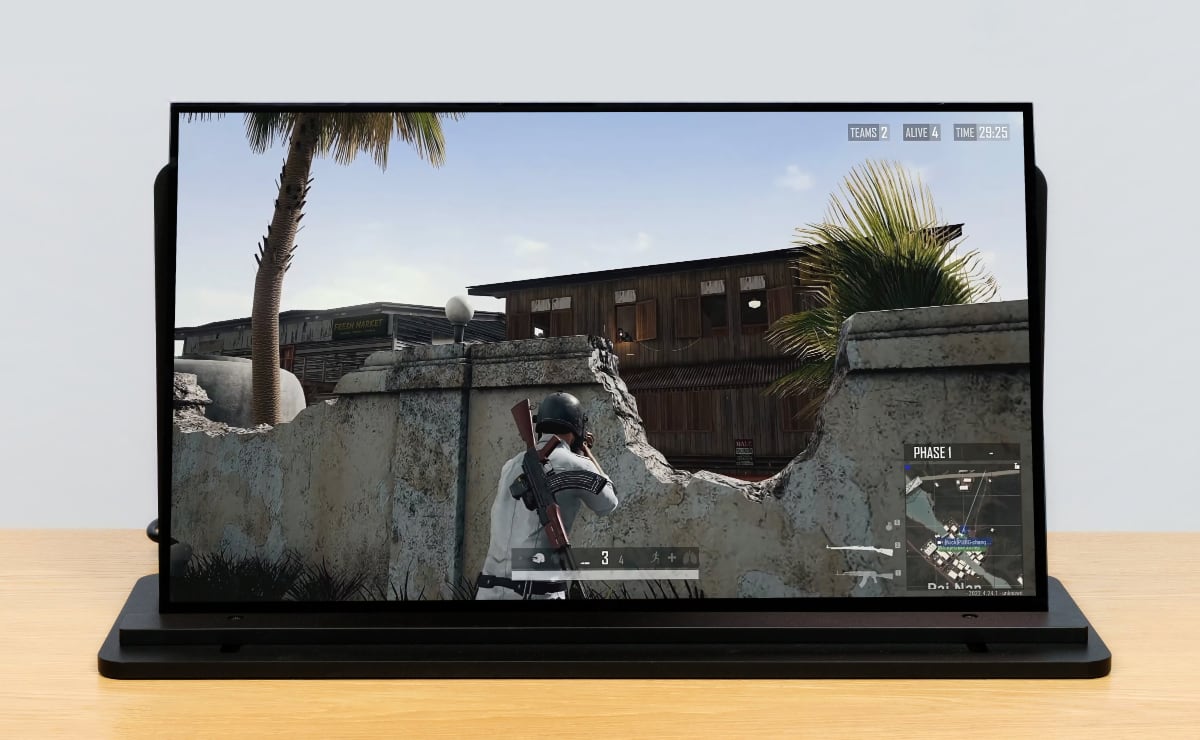
- "Conventional display emitters such as quantum dots (QDs) fall short of achieving the Rec.2020 color gamut – a key benchmark for next-generation displays. Our perovskite color conversion film, based on perovskite nanocrystals, overcomes this limitation by delivering ultra-high color purity and achieving over 95% Rec.2020 coverage, compared to approximately 76% with QD technologies. This enables vivid, lifelike images across a wide range of devices," the description from Consumer Technology Association (CTA), the organizer of CES, reads. "Compatible with various formats including TVs, monitors, and tablets, it enables thinner panels with lower power consumption."