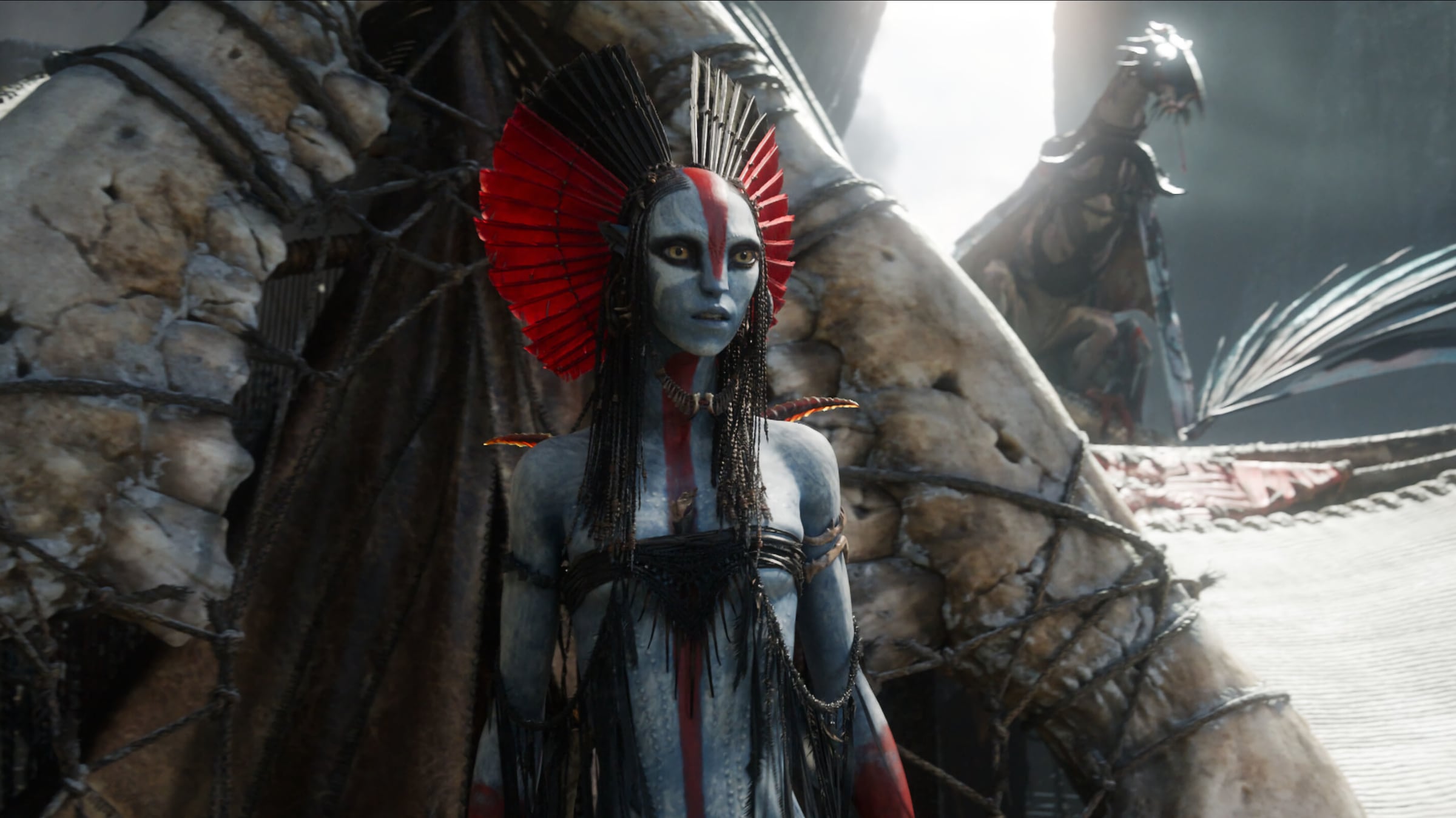
The third chapter in Cameron's saga about Pandora and the Na'vi premieres this week. The film is again created in 48fps High Frame Rate with 3D, but not all cinemas show it this way.
The predecessor, Avatar: The Way of Water, was a huge success, partly because its combination of storytelling and technology immersed viewers in an incredible world.
Director James Cameron repeats the formula with Avatar: Fire and Ash, which premieres this week around the world. It is one of the most expensive films to date, with a production budget of around $400 million.
Created in 3D and 48fps HFR
Almost all films are still created in 24 frames per second (fps) which increasingly shows signs of aging as filmmakers push the medium forward and our display technologies advance.
Like Avatar: The Way of Water, many scenes in Avatar: Fire and Ash were shot and created in 3D and double the frame rate – High Frame Rate or HFR – at 48 frames per second, making motion clearer and smoother.
Cameron explains that approximately 40% of the third film is presented in 48fps HFR. The rest, primarily dialog scenes, are shown in 24fps. This works by placing everything in a 48fps container, where frames in 24fps scenes are doubled.
The film is 'motion graded', meaning the level of motion blur and stutter is adjusted scene by scene during editing to avoid the 'soap opera' effect that The Hobbit in 48fps HFR was criticized for.
Avatar: The Way of Water was motion graded using TrueCut Motion, but Pixelworks, the company behind it, declined to comment on Avatar: Fire and Ash when FlatpanelsHD asked last week.
 Avatar: Fire and Ash. Photo: Disney
Premium formats, but no HDR
Avatar: Fire and Ash is created for presentation in PLF (Premium Large Format) cinemas. Cameron has spent more than a decade urging cinemas to upgrade their technical equipment, especially for 3D presentation.
However, most premium cinemas still involve significant compromises. No projector-based theater can deliver HDR or Dolby Vision with the extended color and brightness dynamics that the world of Pandora demands.
When choosing among projector-based options, Cameron has previously recommended Dolby Cinema. True HDR, however, is only possible in cinemas with LED displays.
On the other hand, the largest cinemas provide a massive screen, which the film demands, along with immersive Dolby Atmos sound.
Best way to watch it?
Avatar: Fire and Ash is presented in different formats in cinemas including 2D, 2D HFR, 3D HFR, 3D IMAX, 3D HFR IMAX, 4DX and more. Many auditoriums will present the movie in its 3D HFR version. Watch for the '3D HFR' designation.
The only way to experience the second movie, Avatar: The Way of Water, in its full glory – 4K, HDR, 48fps HFR, 3D and Dolby Atmos on a massive screen, larger than IMAX – is with the Apple Vision Pro headset. The same will likely apply to Avatar: Fire and Ash, but we must wait until at least March/April for the home release.
How do you plan to watch Avatar 3?
If the film is a commercial success, Disney and James Cameron will start production on Avatar 4 and Avatar 5, targeting premieres in December 2029 and December 2031.
Avatar: Fire and Ash trailer
FlatpanelsHD