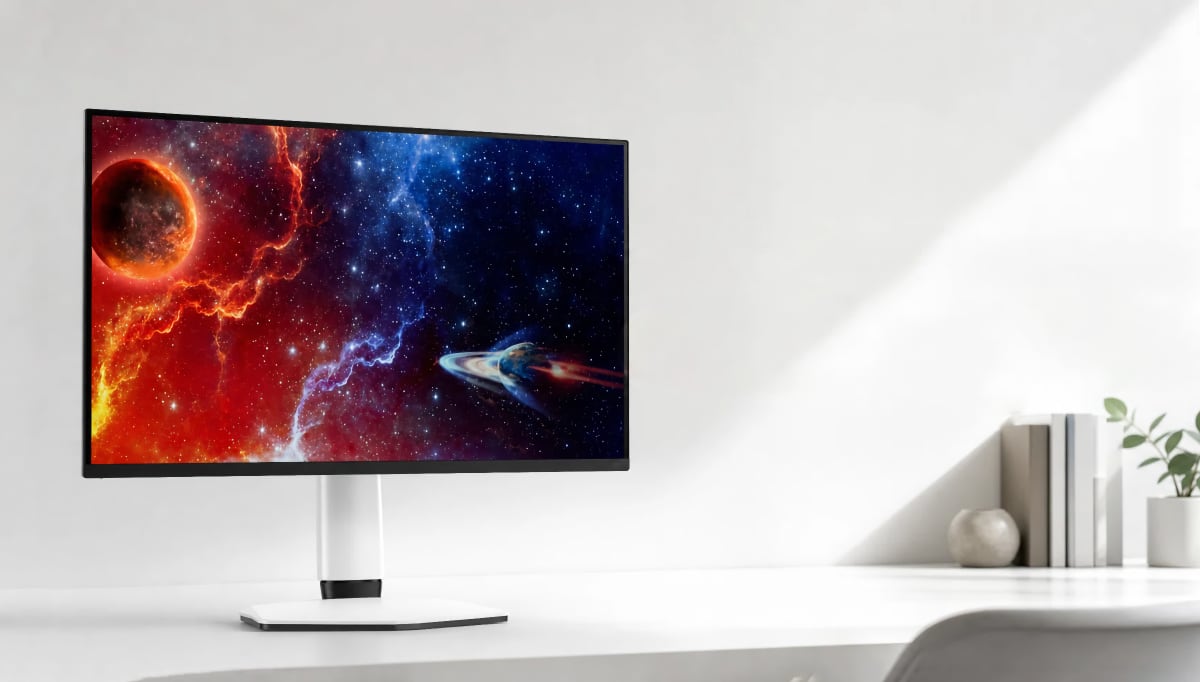
Dell has started moving past 60Hz to establish 120Hz as the new standard for professional monitors, and Apple could soon follow suit with its prosumer Studio Display.
60Hz has been the standard for monitors for decades, delivering subpar motion clarity and noticeable stutter when scrolling on PCs – especially if you have a 120Hz display for comparison.
Monitor makers and the wider ecosystem have traditionally focused on higher resolution and improved color performance, but it is long overdue that available bandwidth is also allocated to higher refresh rates of 120Hz or more in professional monitors.
Jumping from 60Hz to 120Hz
All of Apple's flat-panel monitors – from the Apple Studio Display and Cinema Display launched in 1998 and 1999 to the Pro Display XDR and Studio Display introduced in 2019 and 2022 – are limited to 60Hz.
Macworld now reports that a new Apple Studio Display, rumored for 2026, appears in code references under the name 'J527' with support for 120Hz, likely with ProMotion VRR. Bloomberg previously reported that the monitor is being developed under the J527 codename.
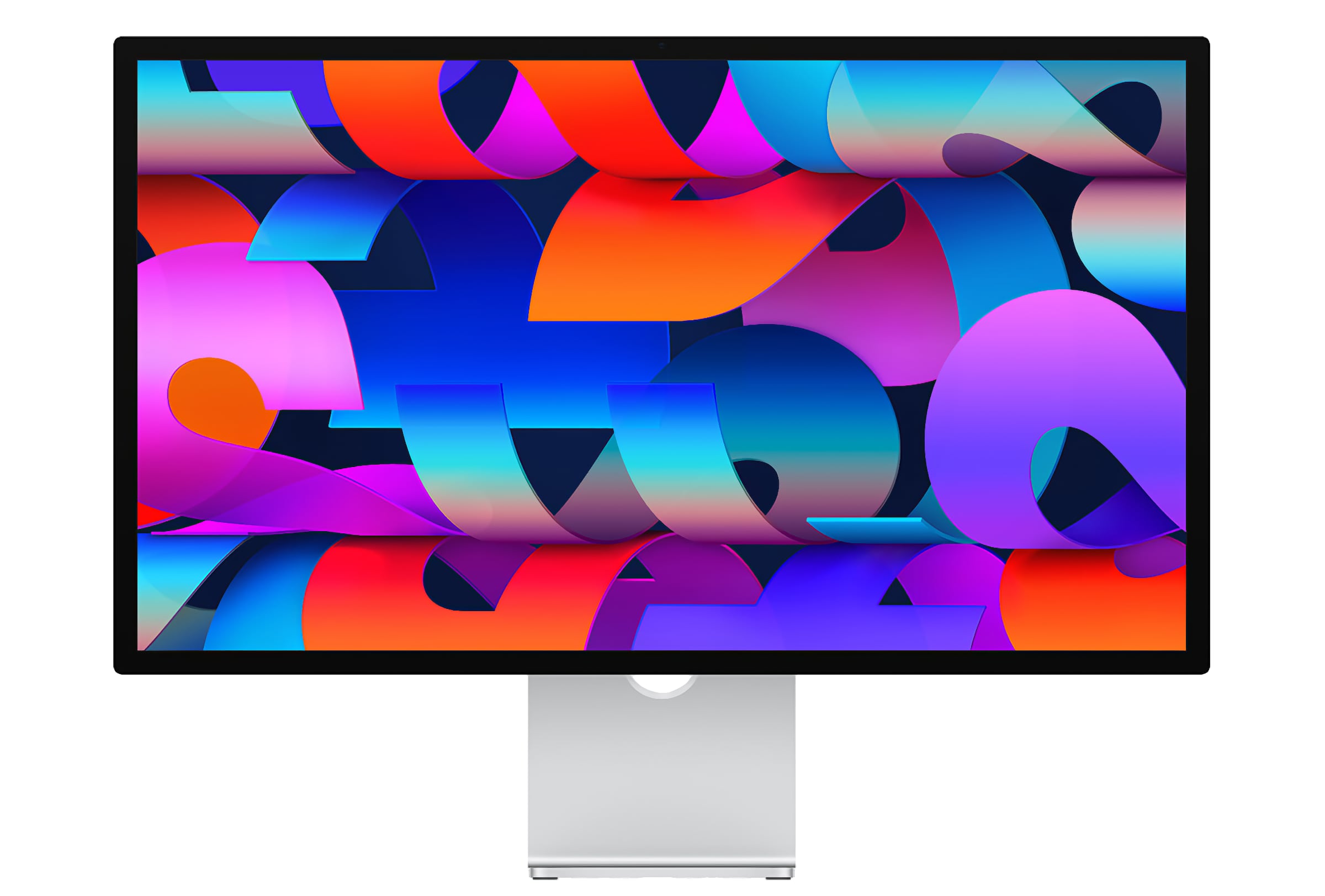
 All current Apple monitors are 60Hz, including the latest Studio Display from 2022. Photo: Apple
Ecosystem transition to 120Hz
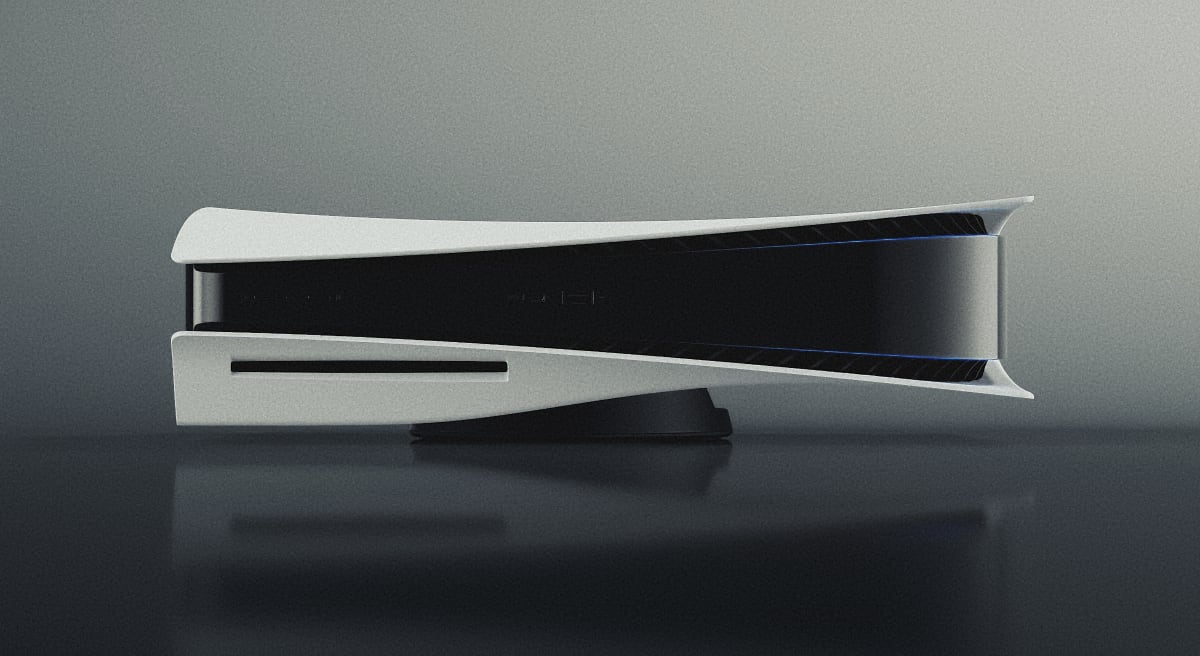
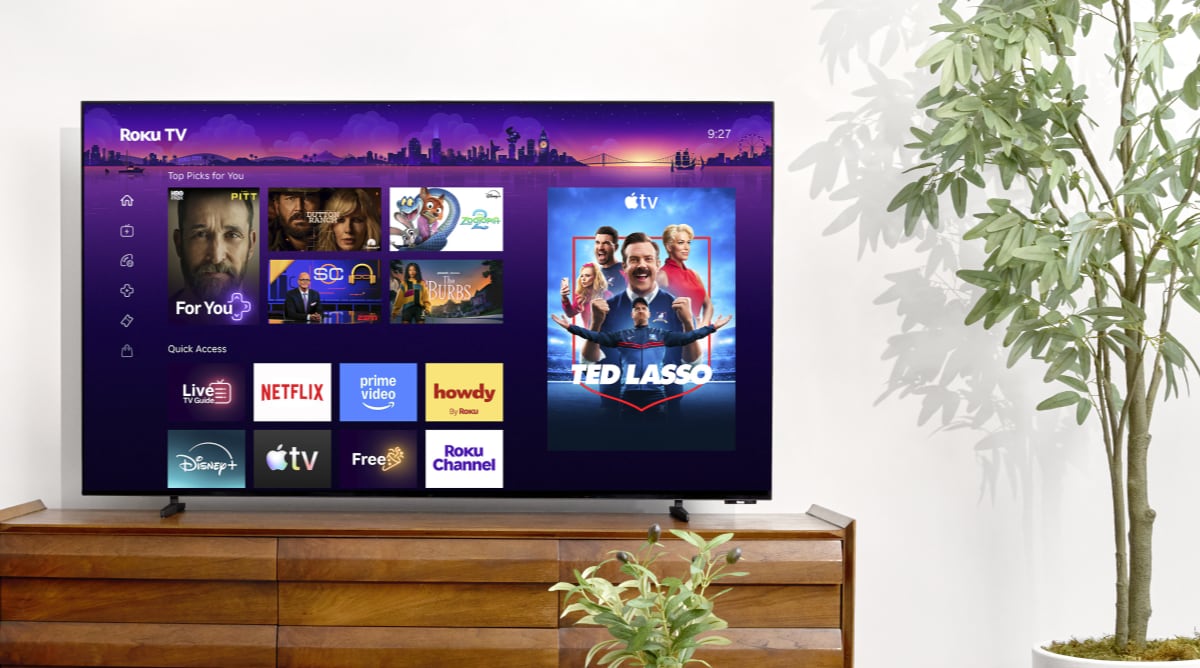
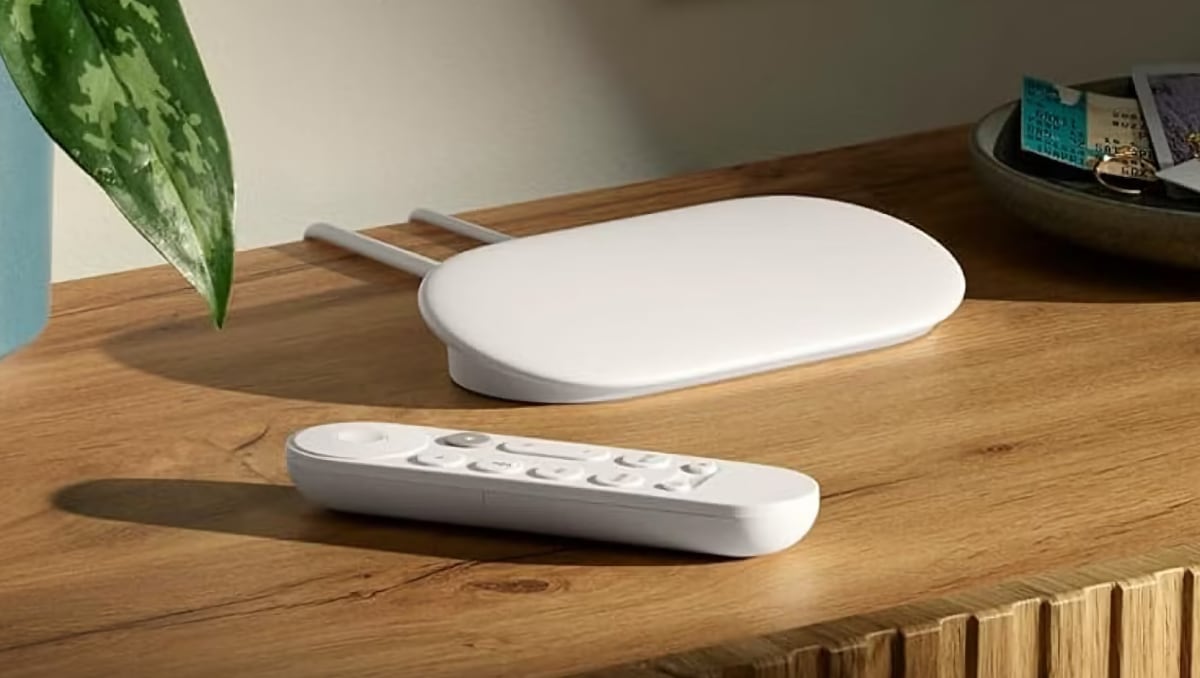
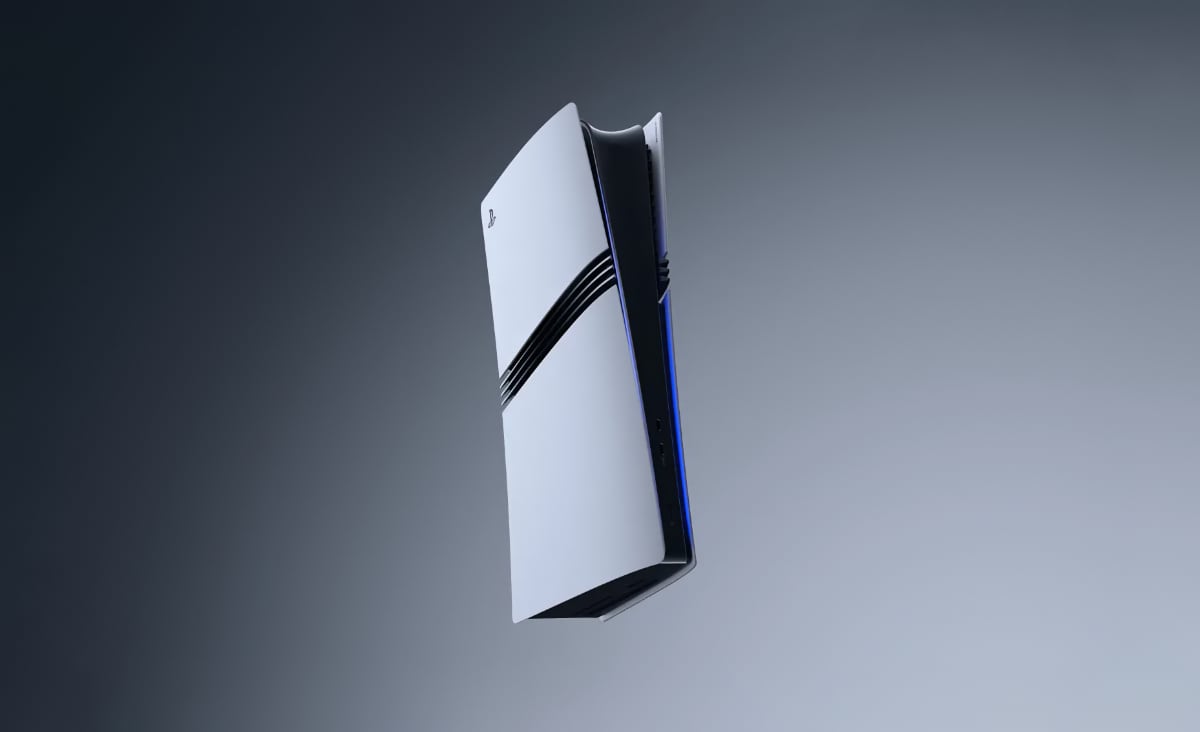
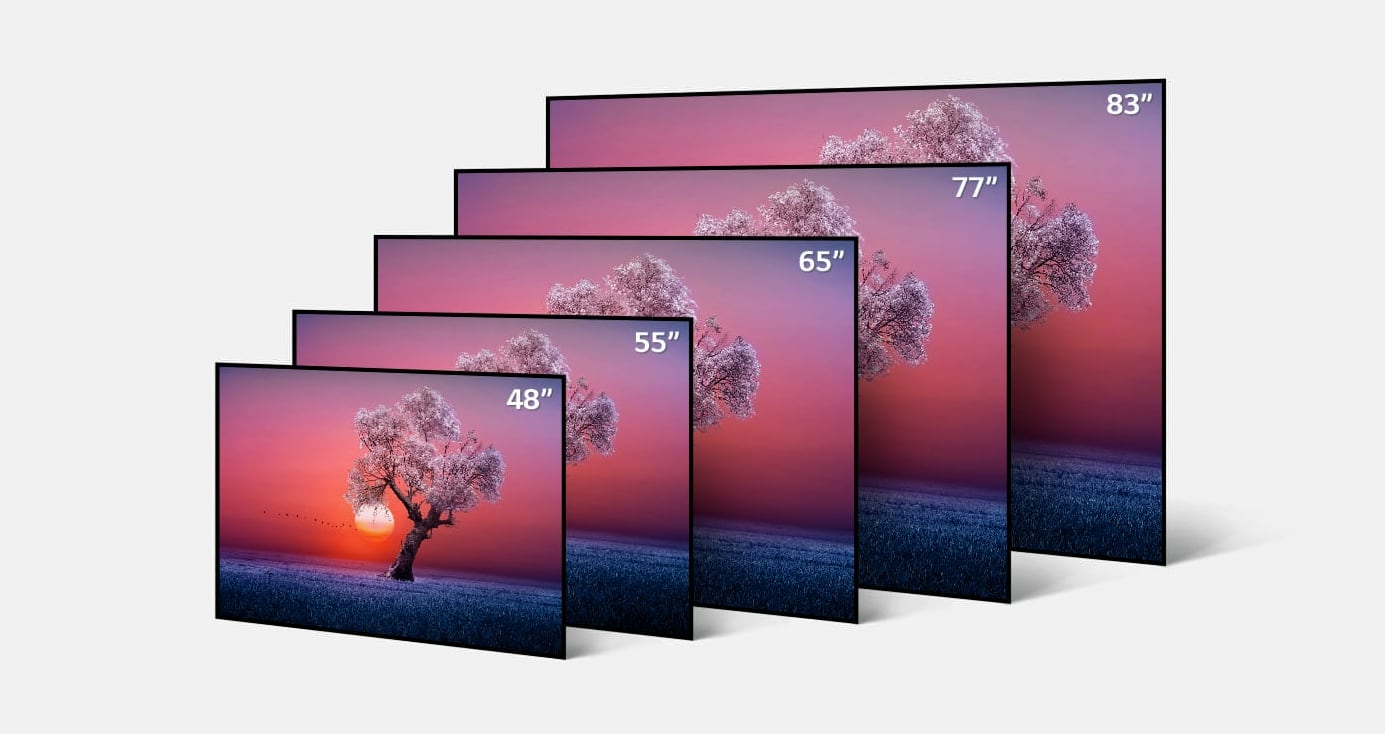
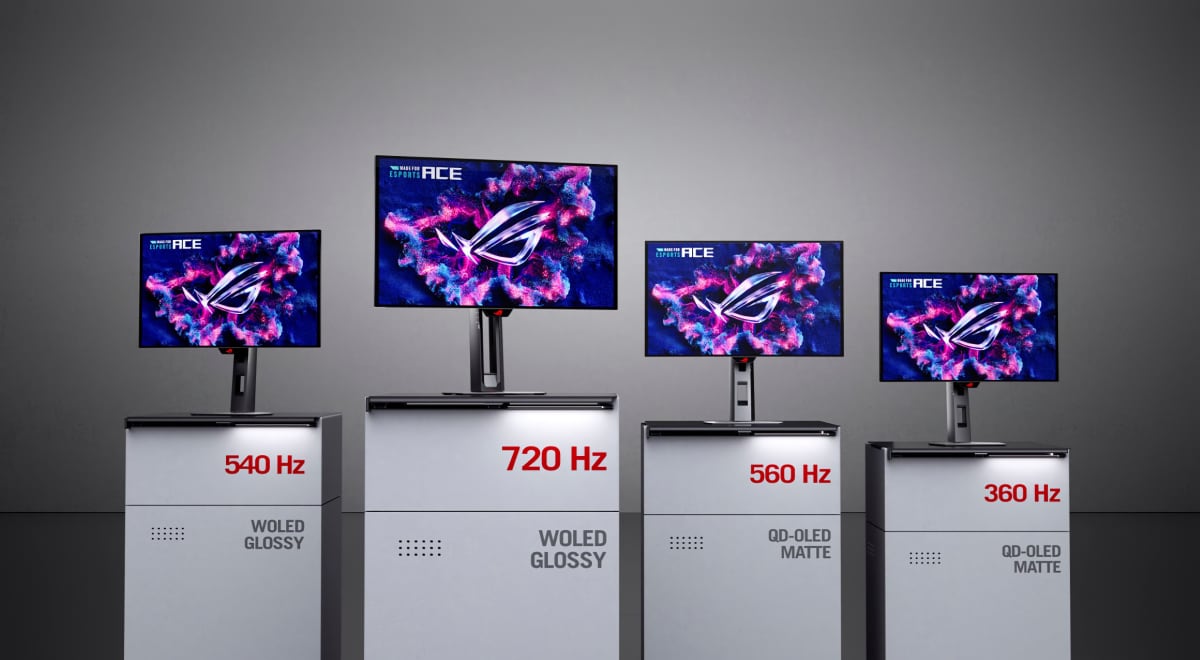
All new high-end TVs and many mid-range models support 120Hz. Game consoles like PS5 and Xbox do too, but media players such as Apple TV 4K and Google TV Streamer have yet to move beyond 60Hz. Gaming monitors, of course, have pushed far beyond 120Hz, reaching up to 1000Hz.
Apple has already begun transitioning to 120Hz across newer iPhones, iPads, MacBooks and Apple Vision Pro (M5).
For 120Hz to become the new baseline, the entire ecosystem will need to transition, which is a process that could still take many years.
- Source: Macworld