Two years after the announcement at CES 2024 and one and a half years after the unveiling of products, the first four monitors with Nvidia G-Sync Pulsar technology have finally arrived.
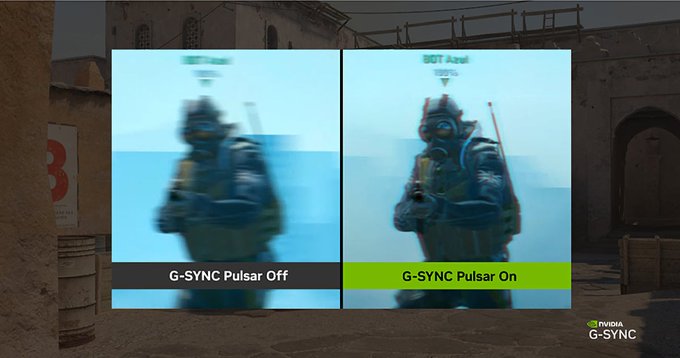
G-Sync Pulsar combines synchronized backlight strobing with variable refresh rate (VRR G-Sync) to reduce motion blur, delivering up to "4 times the effective motion clarity", according to Nvidia and its partners, who also talk about perceived motion clarity equivalent to more than 1000Hz.
These claims have yet to be independently verified, and the long delay suggests that development has not been without challenges. Nevertheless, Pulsar technology is now ready.
Its arrival coincides with the launch of the first 1000Hz LCD monitors this year.
 Nvidia G-Sync Pulsar delivers up to 4x the motion clarity, according to Nvidia
First four Pulsar monitors
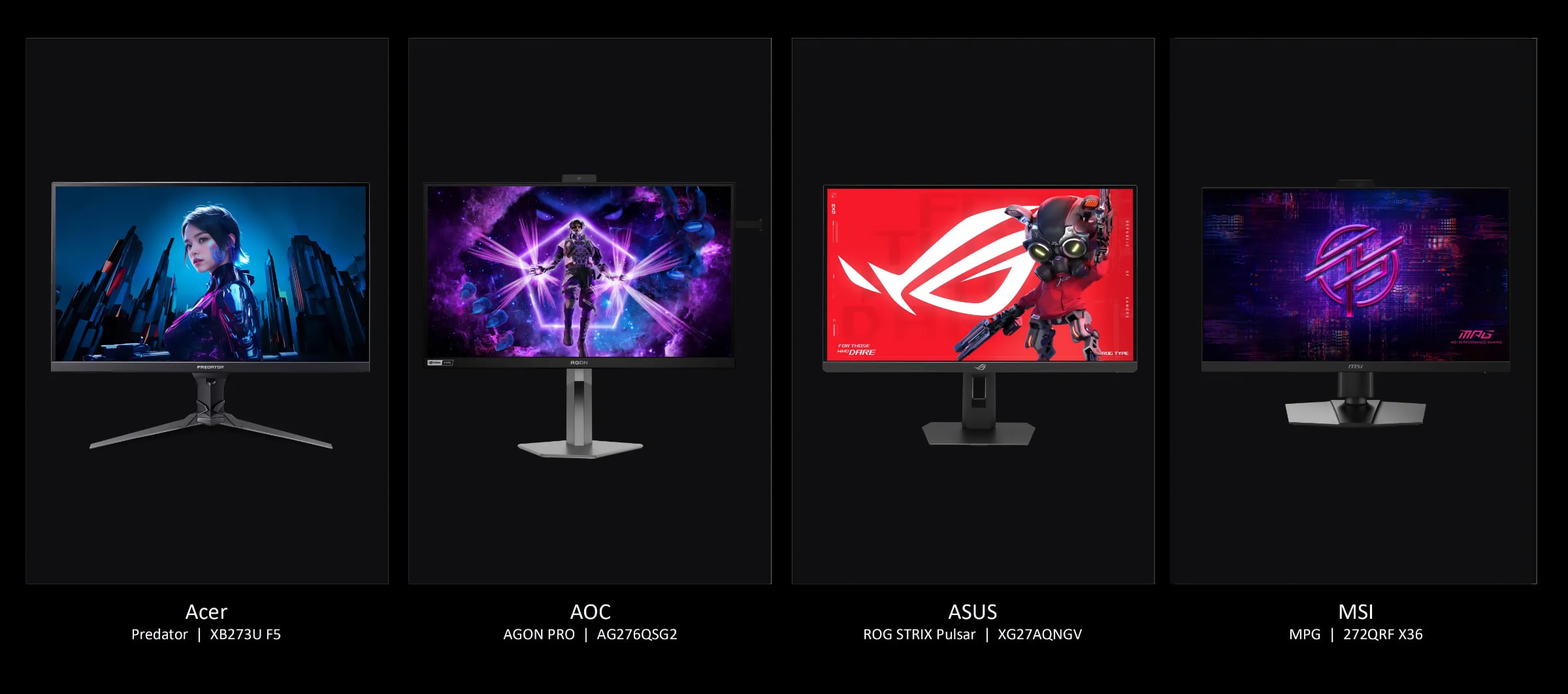
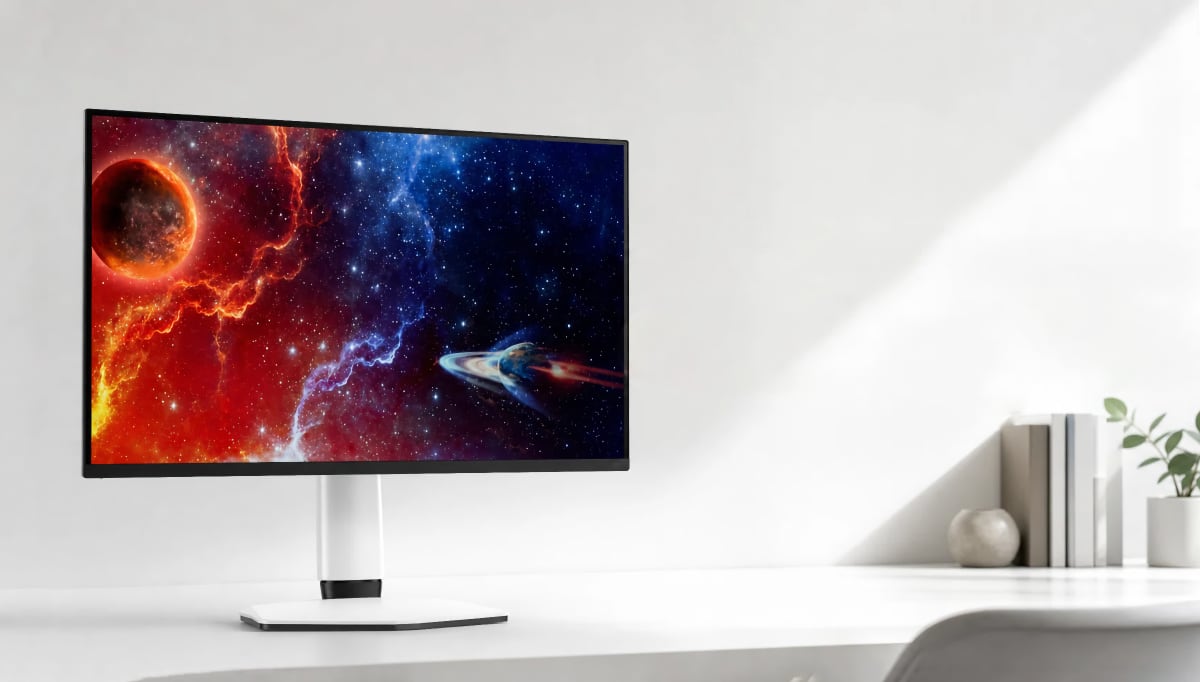
The first four monitors with G-Sync Pulsar are the Acer XB273U F5, AOC AG276QSG2, Asus XG27AQNGV and MSI 272QRF X36.
All four use the same 27-inch IPS LCD panel with 2560x1440 resolution native 360Hz refresh rate, 90% DCI-P3 colors and G-Sync Ambient Adaptive, a built-in light sensor. The monitors connect to a PC via DisplayPort 1.4 (DSC) or HDMI 2.1. They use a scalar module chip from MediaTek.
These are not particularly impressive specs but Pulsar is designed with speed as the top priority. To take advantage of the fast motion performance, users must accept some level of flicker and reduced brightness. You also do not get the vibrant colors, deep contrast or HDR picture quality of OLED gaming monitors.
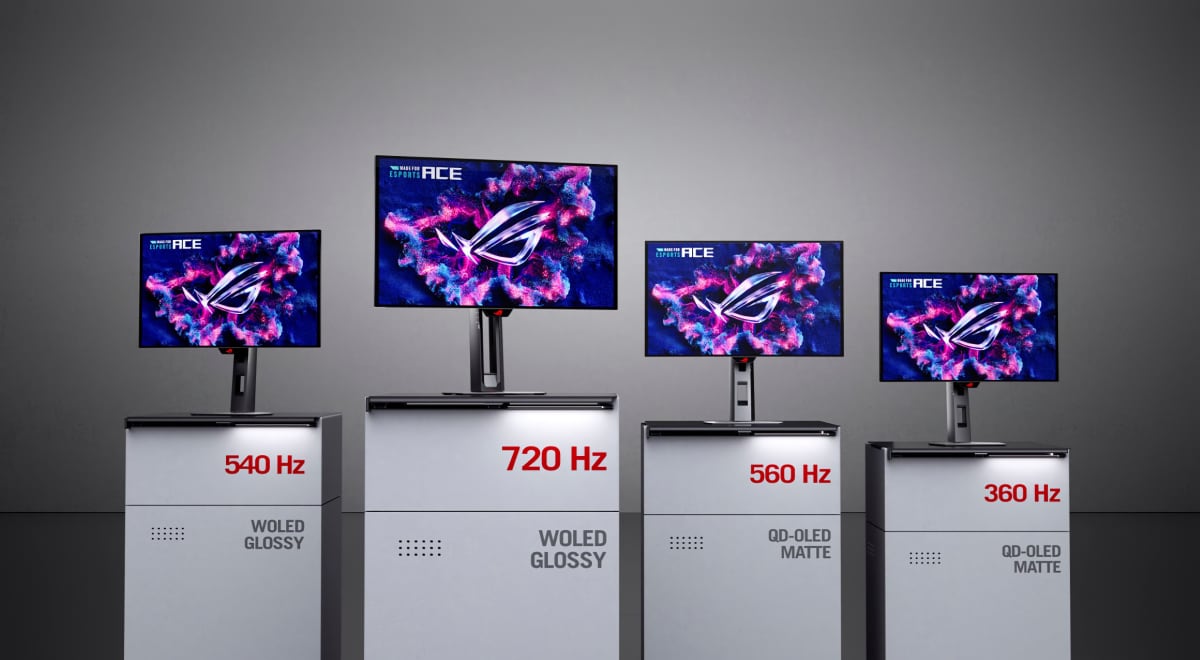
We are not entirely convinced that these Pulsar monitors will outperform 720Hz OLED monitors in motion clarity either. In 2024, Nvidia would have held a lead with Pulsar, but OLED monitors support significantly higher refresh rates in 2026.
Pricing starts at $600, according to Nvidia. Asus confirms that its model is already available in stores.
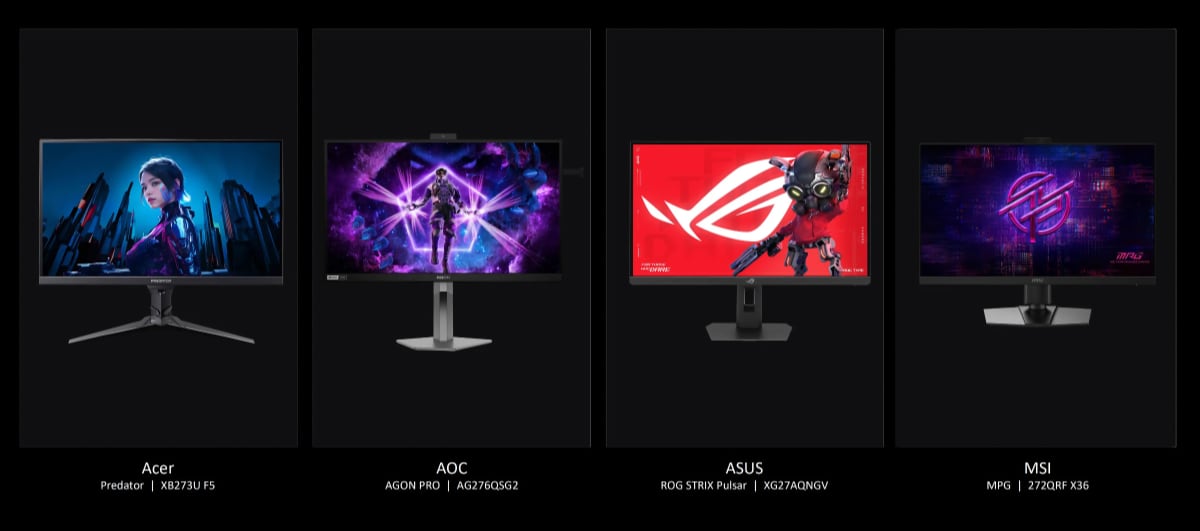 The first four G-Sync Pulsar monitors