After some delays, AV2 has been finalized and officially released, promising video compression efficiency gains over AV1 of typically 30% for 4K, 8K, VR and other formats.
The release of AV2 comes eight years after the release of AV1 in 2018, which tells us that we should temper our expectations for the near future, as AV1 is still not in wide use, despite Netflix and YouTube having embraced it.
- "Alliance for Open Media (AOMedia) has released AV2 after many years of development. The innovation behind this new video codec is thanks to the tireless work by phenomenal engineers at AOM's over 50 member organizations," commented Roshan Baliga, Group Product Manager at Google.
Both AV1 and AV2 were developed as royalty-free – though contested – video codecs by the Alliance for Open Media, whose members include Amazon, Apple, Google, Intel, Meta, Microsoft, Netflix, Nvidia, Samsung and many more tech giants.
Also read: Apple and Google quietly developed a new HDR standard: Eclipsa Video
30% more efficient than AV1
Testing shows that AV2 is roughly 30% more efficient in video compression than AV1, although these results are based on testing conducted by participating companies, and no comparative data against HEVC or VVC has been released.
In other words viewers can get the same picture quality from streaming services such as Netflix using 30% less bandwidth. Alternatively, streaming services can offer higher picture quality at the same bitrate – or something in between. AV2 works with SD, HD, 4K, 8K, 3D, VR, AR and more types of content.
Real-world performance may ultimately differ as ongoing optimizations for quality, speed and efficiency continue in the coming years. We await independent testing.
AV2 introduces larger superblocks (256×256 versus 128×128 in AV1), smarter partitioning and improved prediction. It is not yet designed to take advantage of AI or machine learning techniques. The AV2 v1.0.0 specification is available here.
The official AV2 logo
Faster rollout this time?
AV1 arrived roughly five years after HEVC at a time when HEVC was already widely deployed for 4K and HDR content across streaming services and UHD Blu-ray. AV2 arrives about six years after VVC.
However, VVC has seen virtually no adoption since its release in mid-2020, leading some to describe it as almost dead on arrival. AV2 has a better chance of wide adoption, particularly since many of the same companies involved in its development also drive implementation across chips, Smart TVs, media players, PCs, web browsers and streaming platforms. On the other hand, AV2 still faces competition from HEVC, which remains widely deployed.
The state of AV1
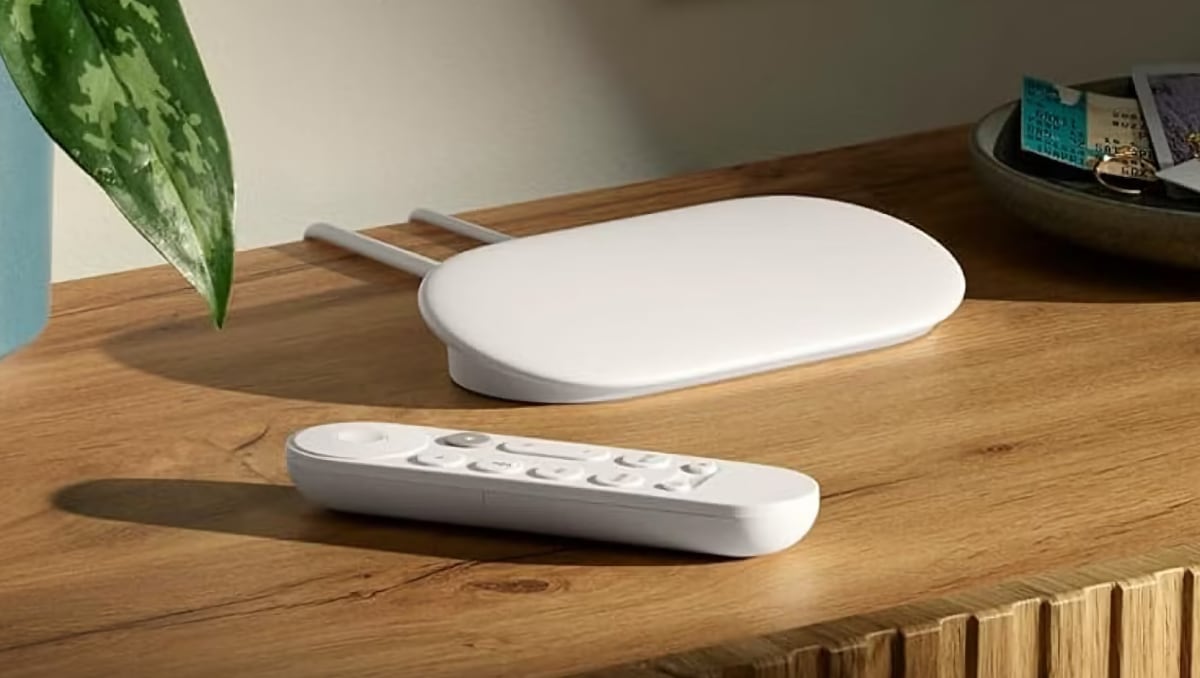
AV1 is now hardware-supported in most smart TVs from 2020 or 2021 onwards, depending on the brand. You can check AV1 support for individual models in the TV Database. AV1 is also supported in newer streaming devices such as the Google TV Streamer, but not in Apple TV 4K (software decoding only) or Nvidia Shield.
Netflix began using AV1 in February 2020 and now delivers around 30% of its streaming via AV1, making it its second most-used codec for Netflix. YouTube started using AV1 in September 2018, shortly after its release. Amazon Prime Video has been testing AV1, but streaming services such as Apple TV, Disney+ and HBO Max continue to rely exclusively on HEVC for 4K and HDR content.
Sign up for FlatpanelsHD's newsletter
The latest news, in-depth articles, reviews, and exclusives in your inbox.