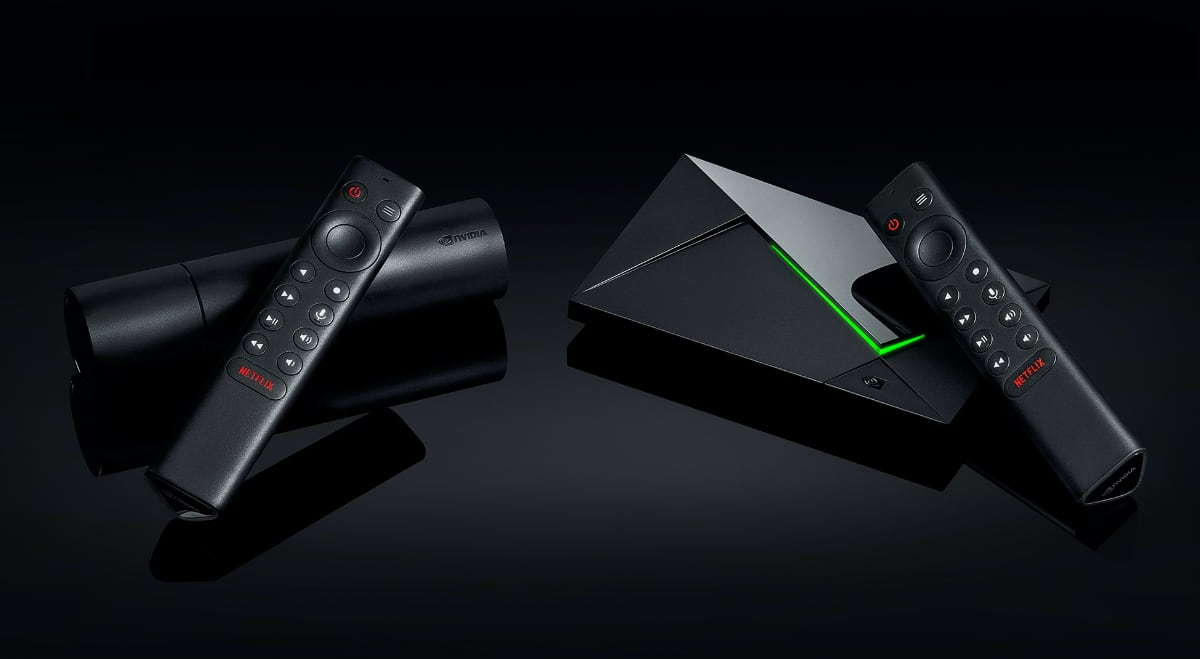
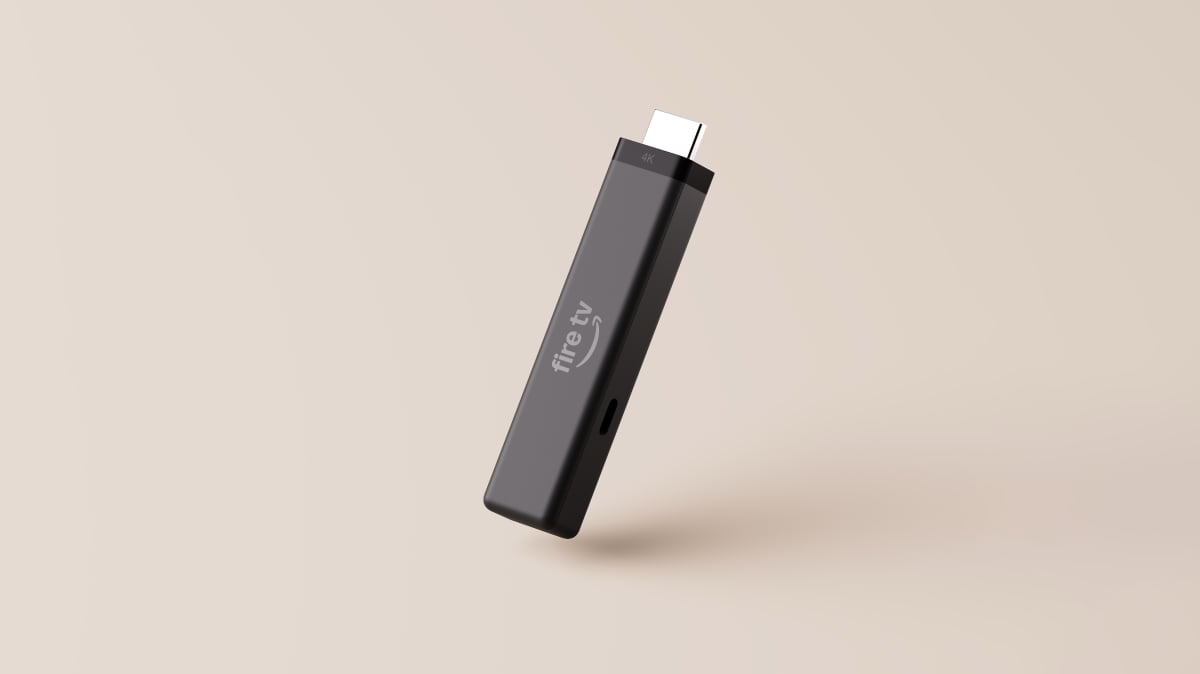
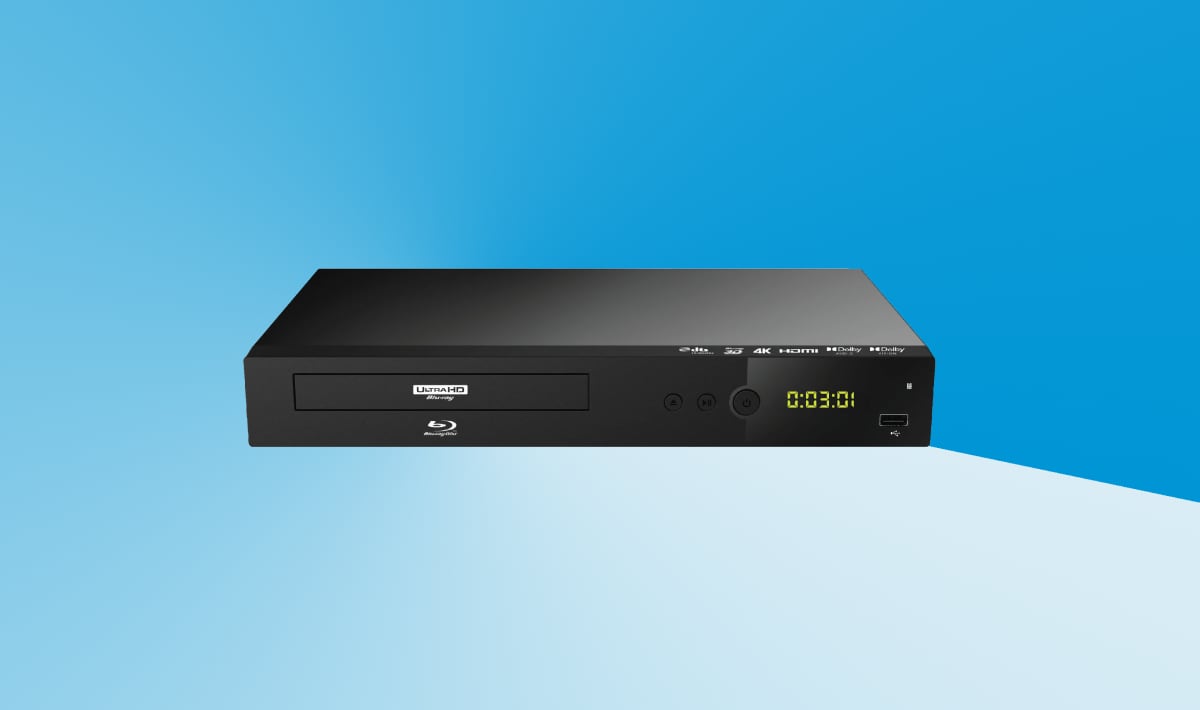
Everything from media players and consoles to computers have surged in price due to soaring memory costs. The three largest manufacturers of DRAM and NAND chips are now being sued for operating a price-fixing cartel.
Consumers got the clearest reminder yet of the trend last week when Steam Machine launched with a staggering price tag, Apple raised prices by as much as 67% (Apple TV 4K) and Xbox announced significant price increases for the third time.
Earlier, Sony had also raised the price of PlayStation 5 while Meta had increased prices for Quest headsets.
All of these companies blame soaring DRAM and NAND flash prices, the latter used in SSDs. As a result, the spotlight has turned squarely to the world's memory chip manufacturers.
Are the DRAM giants operating a cartel?
Samsung, SK Hynix and Micron produce around 90-95% of the world's DRAM chips as well as a significant share of global NAND flash. The trio is facing the class-action lawsuit in California, according to Law360.
The plaintiffs accuse Samsung, SK Hynix and Micron of coordinating cuts to production of conventional DRAM chips (DDR3 and DDR4) while shifting manufacturing capacity toward HBM memory used in AI servers. According to the lawsuit, this has resulted in DRAM prices increasing by as much as 700% over the past four years.
The lawsuit alleges that the three companies violated US antitrust law (the Sherman Act) by coordinating their behavior instead of competing independently, effectively operating an illegal price-fixing cartel, which would also violate European competition law if proven.
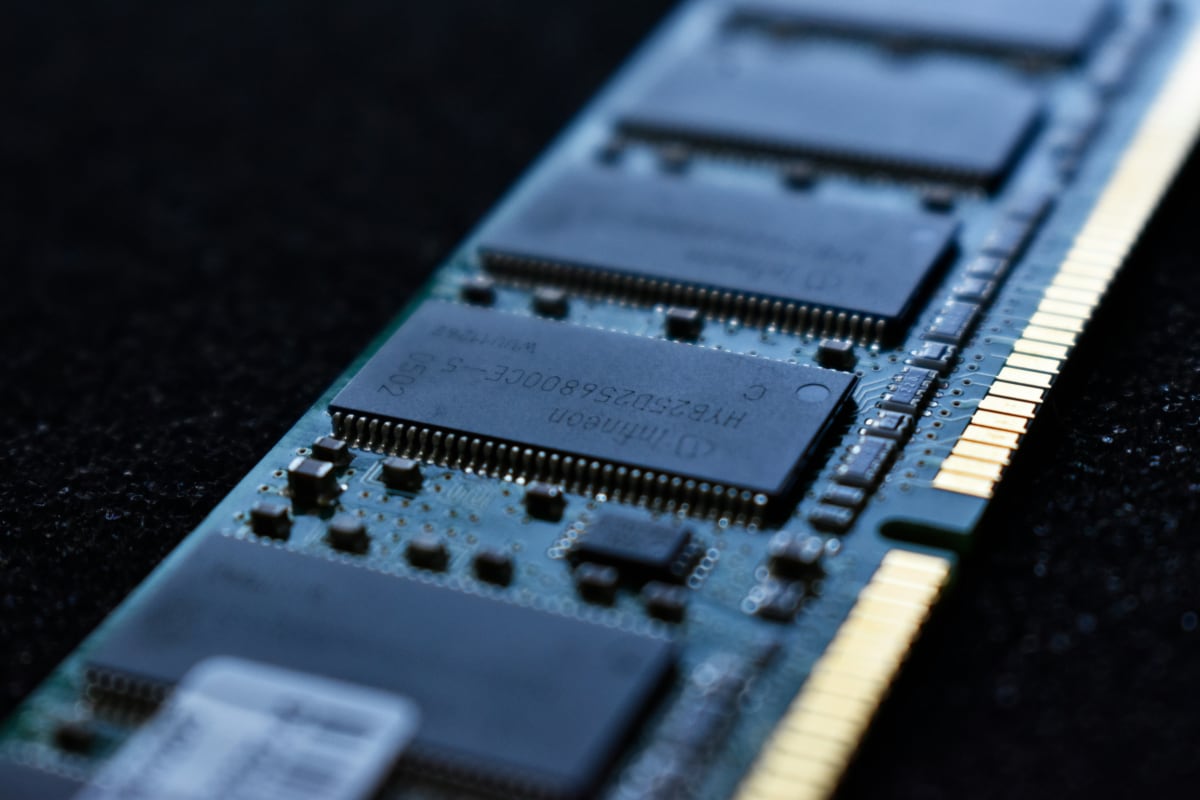
Also read: New TV before 'RAMageddon'? Prices expected to rise DRAM prices have risen dramatically in recent years. Photo: Harrison Broadbent
Companies deny the allegations
The lawsuit is bolstered by the fact that the three companies have built only limited new manufacturing capacity during the four-year period, although all have now announced expansion plans.
Micron has denied the allegations in response to the lawsuit. Samsung and SK Hynix have previously said that their production priorities reflect booming AI demand rather than any form of collusion.
Meanwhile, China is attempting to use the situation to establish itself as a major producer of memory chips.
Previous price-fixing convictions
The memory industry has previously been found guilty of price fixing. In 2005, Samsung pleaded guilty in a US antitrust case and paid a $300 million fine, while SK Hynix pleaded guilty and paid $185 million.
Several executives from the companies were sentenced to prison for coordinating DRAM prices through phone calls and emails. However, those events took place more than 20 years ago, and today's market is significantly different.
The companies have also faced scrutiny from the European Commission in a similar case involving illegal coordination of DRAM prices. Samsung received the largest fine of €146 million while Micron avoided a fine by cooperating with European authorities.
- Source: Law360
Sign up for FlatpanelsHD's newsletter
The latest news, in-depth articles, reviews, and exclusives in your inbox.