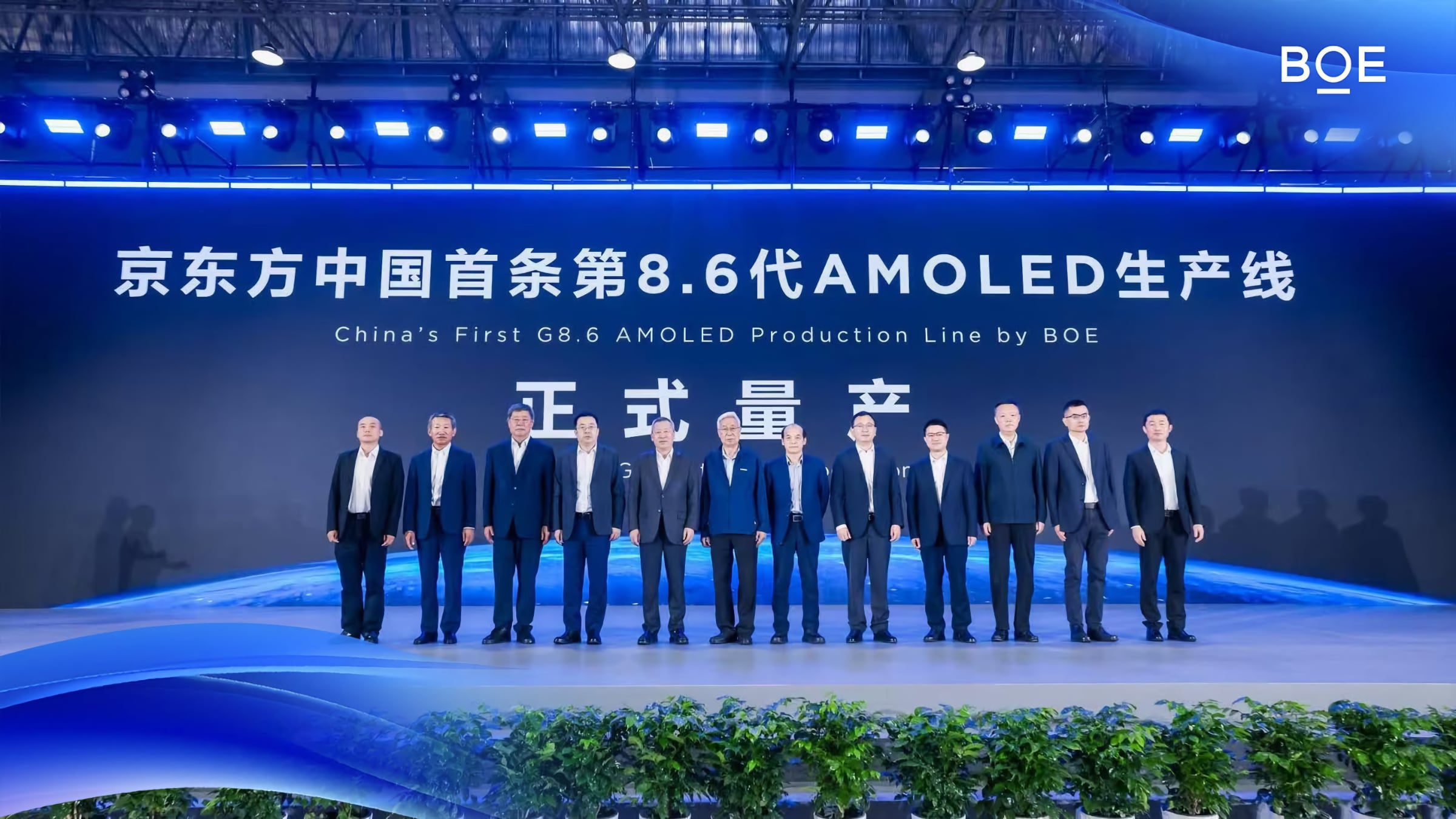
A little over two years after construction began, display maker BOE has started mass production at its 8.6-generation OLED plant – the first of its kind in China.
BOE's B16 plant in Chengdu, China, will produce 10 million OLED panels this year, and significantly more next year, for mobile and IT devices such as smartphones, tablets, laptops and monitors.
It officially started mass production on June 17.
- "We will meet the growing demand for premium displays from customers in China and overseas and become a trusted partner through advanced technologies and high-quality products," said Chen Yanshun, chairman of BOE.
Asus, MSI, Lenovo, Xiaomi, more
More than 10 customers attended the opening ceremony, confirming that they will buy and use the OLED panels produced there, including Lenovo, Asus, MSI, Oppo, Vivo, Honor, ZTE, Transsion, Xiaomi and Nothing.
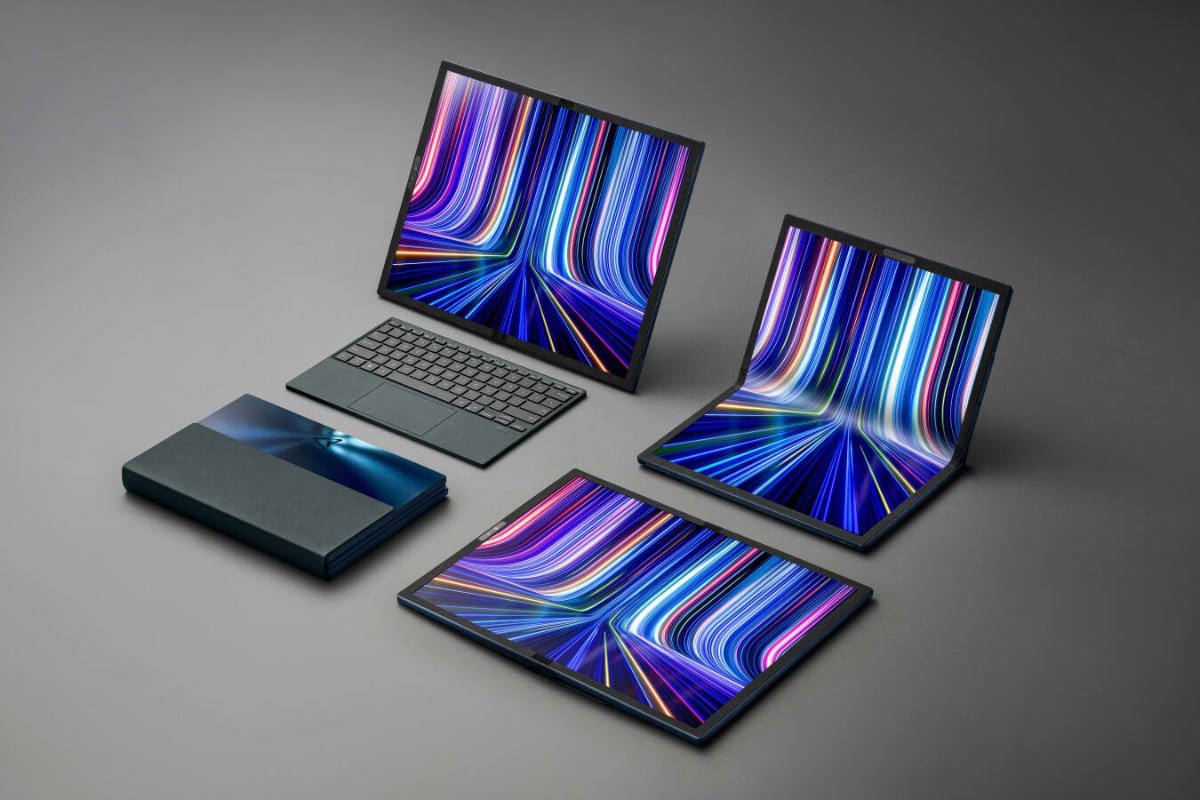
The new production plant will produce high-end OLED panels featuring tandem structure, LTPO and 1-240Hz VRR. With the 8.6G production line, it can produce larger and more cost-effective OLED panels than BOE's 6-generation plants to replace LCD panels in consumer products.
One of the first panels is a 14-inch OLED panel for Acer, Asus and Lenovo laptops.
From the opening ceremony. Photo: BOE
China and OLED
BOE's 8.6-generation plant cost 63 billion yuan to build, making it the largest single industrial project in southwestern China.
It comes online five months after Samsung Display started mass production at a similar 8.6G OLED plant in Asan, South Korea, which will produce OLED panels for Apple, Samsung Electronics and others.
TCL CSOT broke ground on an 8.6G OLED plant in October 2025 in Guangzhou, China. It is scheduled to begin mass production next year and become the first plant to use inkjet printing for OLED panels.
Additionally, Visionox is currently building a third 8.6G OLED plant in China. It is expected to start production in 2027-2028. The three plants will position China as a serious OLED competitor to South Korea's Samsung Display and LG Display.
All of the new plants are initially targeting small and medium-sized OLED panels, with no timelines announced for TV panels.
- Source: UBI Research, The Elec
Sign up for FlatpanelsHD's newsletter
The latest news, in-depth articles, reviews, and exclusives in your inbox.