Despite soaring component costs, TV makers are managing to keep prices stable. Part of the explanation is that they are increasingly making money from ads rather than hardware.
This is according to market analysis firm Omdia, which highlighted the trend in a report following the first quarter of the year, during which TV sales rose by a surprisingly large margin, as reported by Digitimes.
- "What surprised analysts was that TV prices remained largely unchanged even as memory chip prices increased. The TV industry's profit model is increasingly shifting away from hardware margins and toward advertising revenue generated through smart-TV operating systems and connected-TV platforms," wrote Digitimes.
Earlier this year, Samsung warned that TV prices could rise due to 'RAMageddon', but so far this has not happened to any significant degree.
In Q1 2026, 6% more TVs were sold compared to the same period last year, attributed to the FIFA World Cup and the continued favorable pricing.
Smart TVs with ads
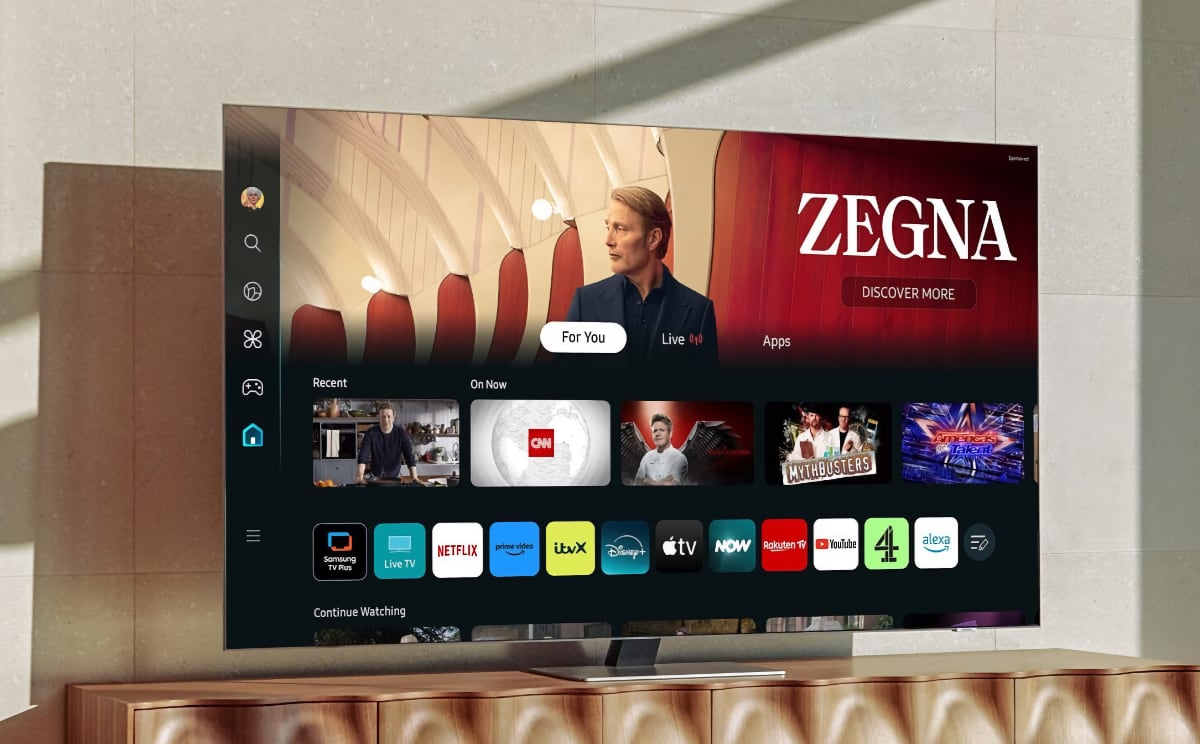
The Smart TV concept was sold on the promise of giving viewers access to a universe of streaming, but it has also ushered in a reality in which viewers are exposed to ads on the homescreen and elsewhere — both traditional ad banners and paid content 'recommendations.
Ads and data collection about your viewing habits generate revenue for the TV maker for years after the TV has been sold. This allows them to sell the TV itself at a low profit margin in stores and online.
It is mainly budget TV models that are sold at very low margins, but high-end TVs typically run the same operating system as cheaper models and therefore display the same ads and collect data in the same way.
Also read: Smart TVs screenshot what you watch several times a second – even over HDMI It has become the norm for Smart TVs to display ads in the carousel and further down the interface as "recommendations"
The trend is expanding
The trend is particularly prevalent in the US. One example is retail giant Walmart, which acquired TV brand Vizio in order to serve ads based on combined data collected in the living room and in its supermarkets.
Ad-supported TV platforms such as Roku and Amazon Fire TV are also widespread in the US, largely due to very low hardware prices.
But the trend is heading to Europe too, Omdia noted, predicting that TV operating systems that did not exist at all in 2022 will account for 28% of TV platform usage by 2030. It is particularly Vidaa in Hisense TVs, Titan OS in Philips TVs and TiVo OS that are growing at the expense of Google TV, LG webOS and Samsung Tizen.
Also read: Google TV tops 300 million monthly devices as growth slows
Several of these newer TV platforms are built around ads and data collection.
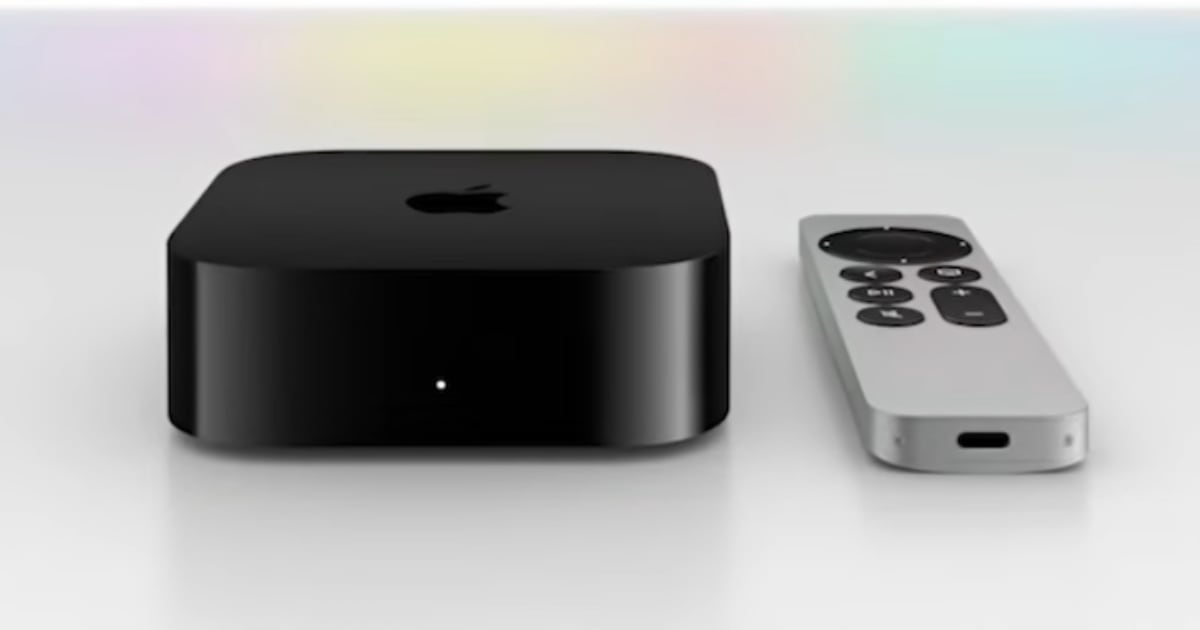
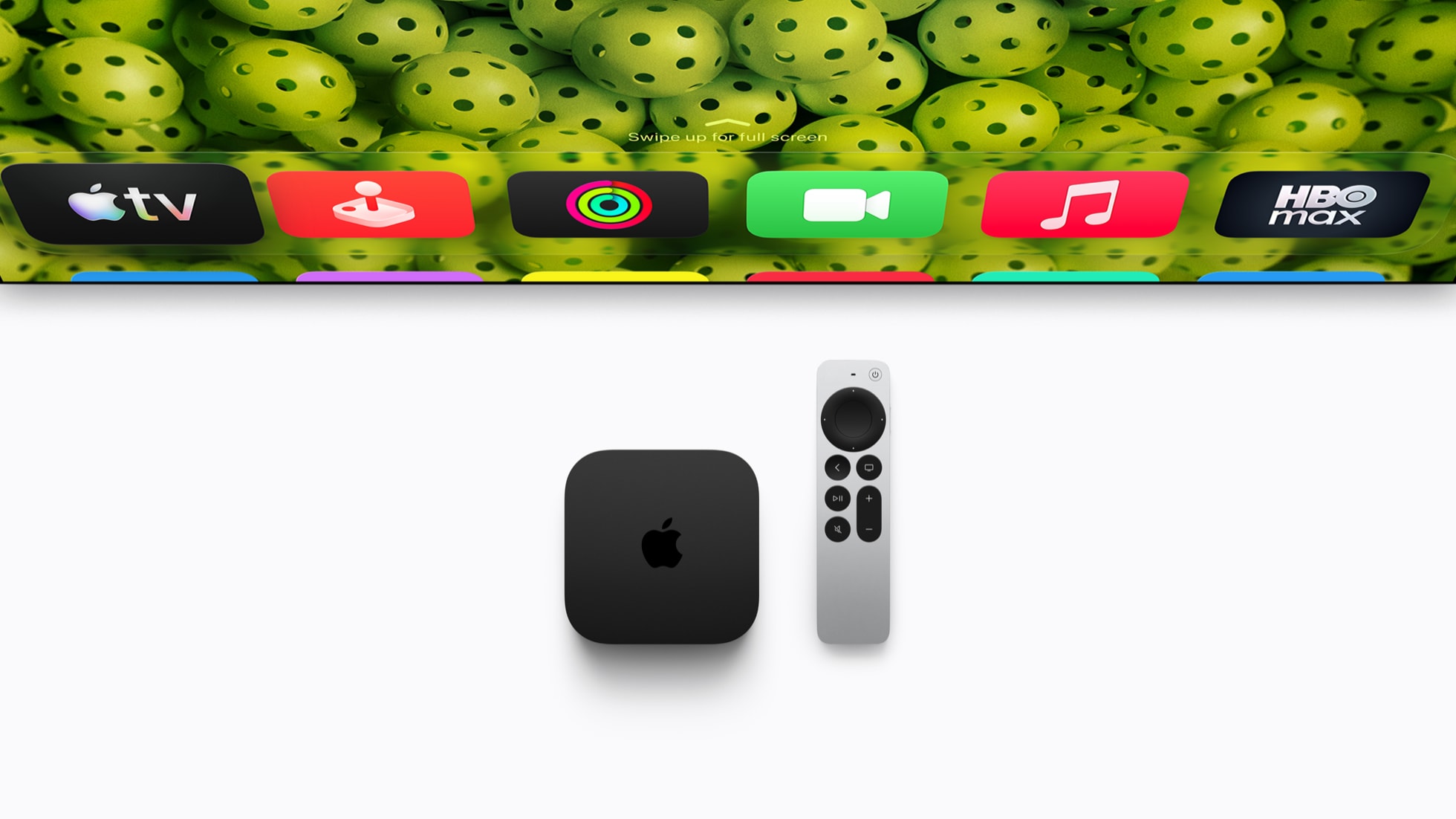
Consumers do still have a choice, though, in that they can simply choose not to connect a newly purchased Smart TV to the internet, and use a media player instead. This way the TV cannot display ads or collect usage data.
- Source: Digitimes, Advanced Television
Sign up for FlatpanelsHD's newsletter
The latest news, in-depth articles, reviews, and exclusives in your inbox.