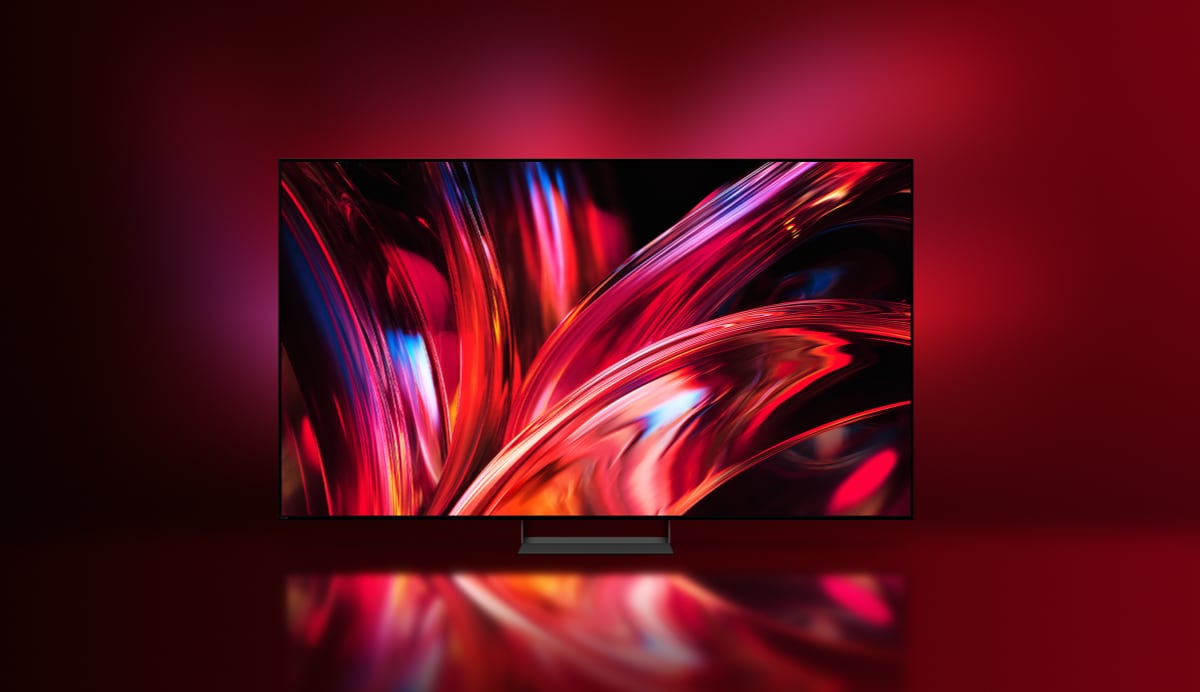
Sony Bravia 9 II (True RGB)
Bravia 9 II is Sony's first "True RGB" model – an LCD TV with an RGB LED backlight – and represents this year's Sony flagship, while last year's QD-OLED flagship carries over. In addition to the new RGB LED backlight with zone dimming, Bravia 9 II features a matte screen coating, Google TV, HDMI 2.1 and Sony-specific features. The pinnacle of LCD TVs? Sony Bravia 9 II is available in 65, 75, 85 and 115 inches. We are testing the 65-inch version.Price and retailers:
US retailerUK retailer
DE retailerFirst impressions
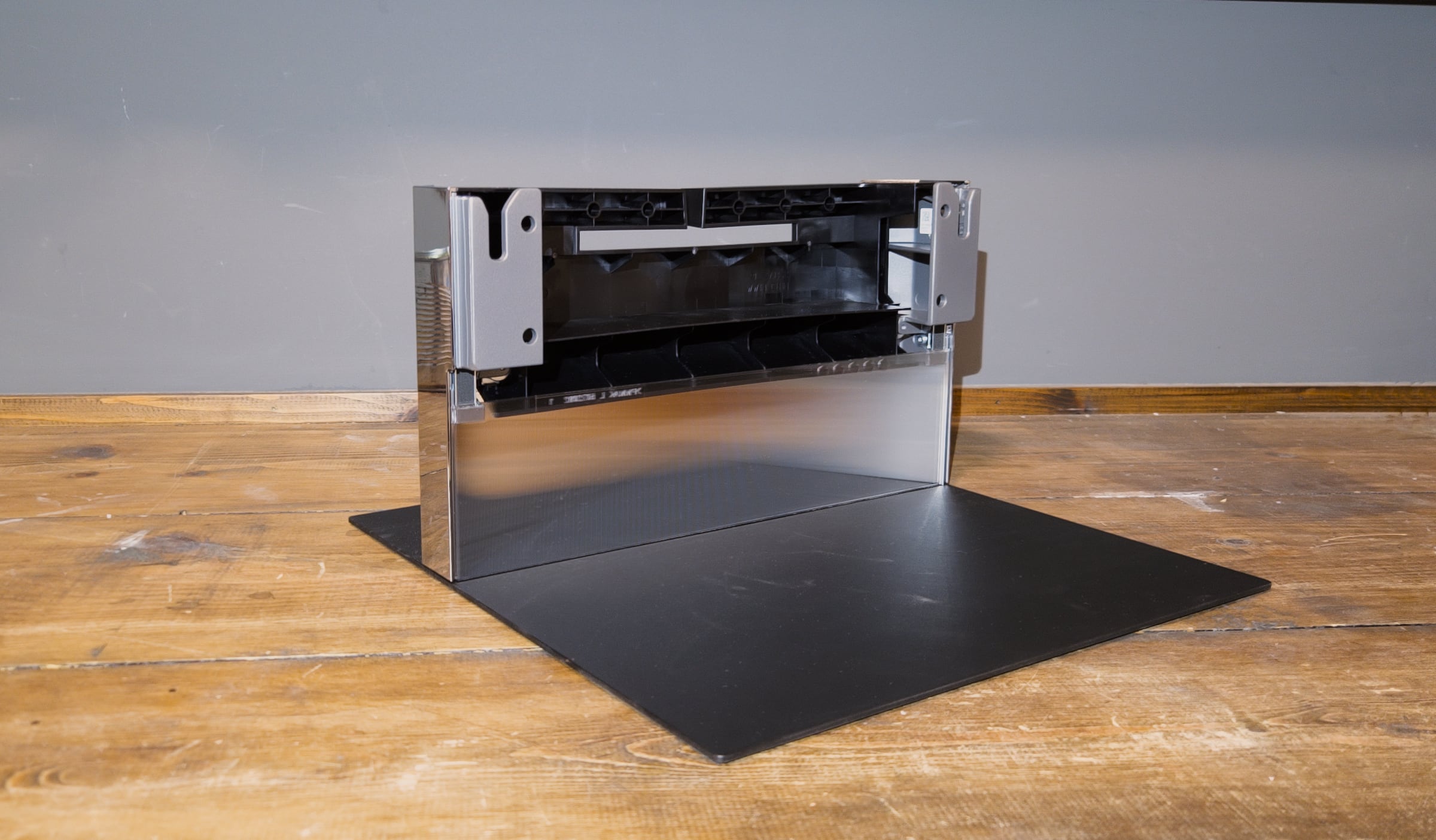
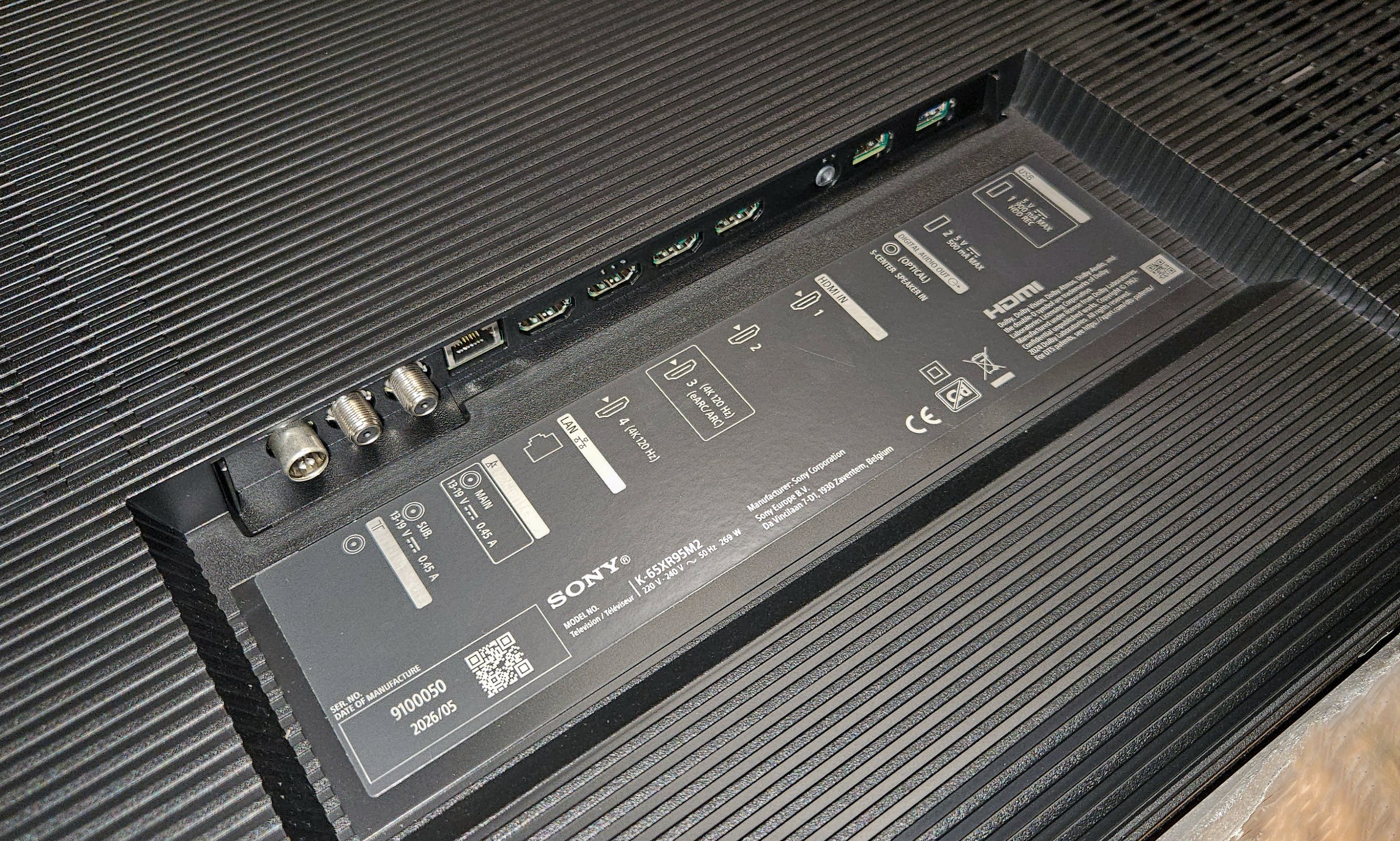
It was a two-year wait for Sony's new flagship TV, and the company's two-year product cycle in itself is relatively unusual in the market, but it does make each new generation more interesting. Two years ago, Sony already surprised us by positioning the Bravia 9 (XR90) miniLED LCD TV as its flagship above the Bravia 8 II QD-OLED. Bravia 9 II /XR95M2) with RGB LED now takes over that position. Available in 115, 85, 75 and 65 inches, the 65-inch version is particularly significant, as its predecessor was initially only available from 75 inches upwards, making it a harder proposition to justify for many buyers. Bravia 9 II comes in an attractive package, as Sony tends to pay a little extra attention to its designs. The most distinctive feature is the centrally positioned stand, aptly named the 'Mirage Stand'. It consists of a slim metal base with two chrome-finished supports. Between them sits a lenticular plexiglass panel that hides the cables while also creating an impression of transparency. The rear features a vertical striped pattern, with the woofer modules and upfiring speakers clearly visible. The front bezel is reduced to a fine line. In profile, Bravia 9 II is 45mm deep, a pattern of fine grooves along the sides and top adds a subtle design accent. One of the few disappointments is that this Sony still relies on the same MediaTek Pentonic 1000 chipset as its predecessor, XR90, despite Sony's 2026 mid-range models upgrading to a newer Pentonic chipset. Gamers therefore still have to make do with four HDMI ports, of which only two provide the full 48Gbps HDMI 2.1 bandwidth. If you use HDMI eARC for a soundbar, one of those two HDMI 2.1 ports will be occupied. Gamers with multiple 4K120 sources should therefore take this into account. A soundbar with its own 4K120-capable HDMI input is a sensible solution. All connections are located on the left side and point sideways, making them easily accessible even when the TV is wall-mounted.User experience & features
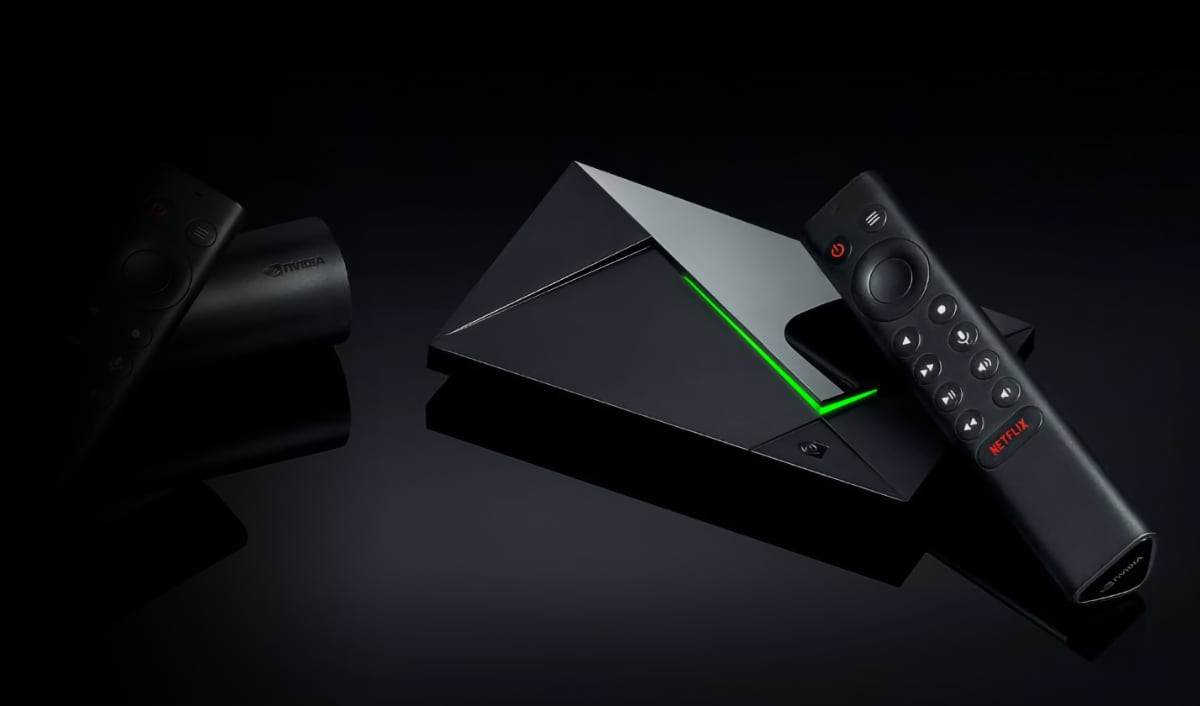
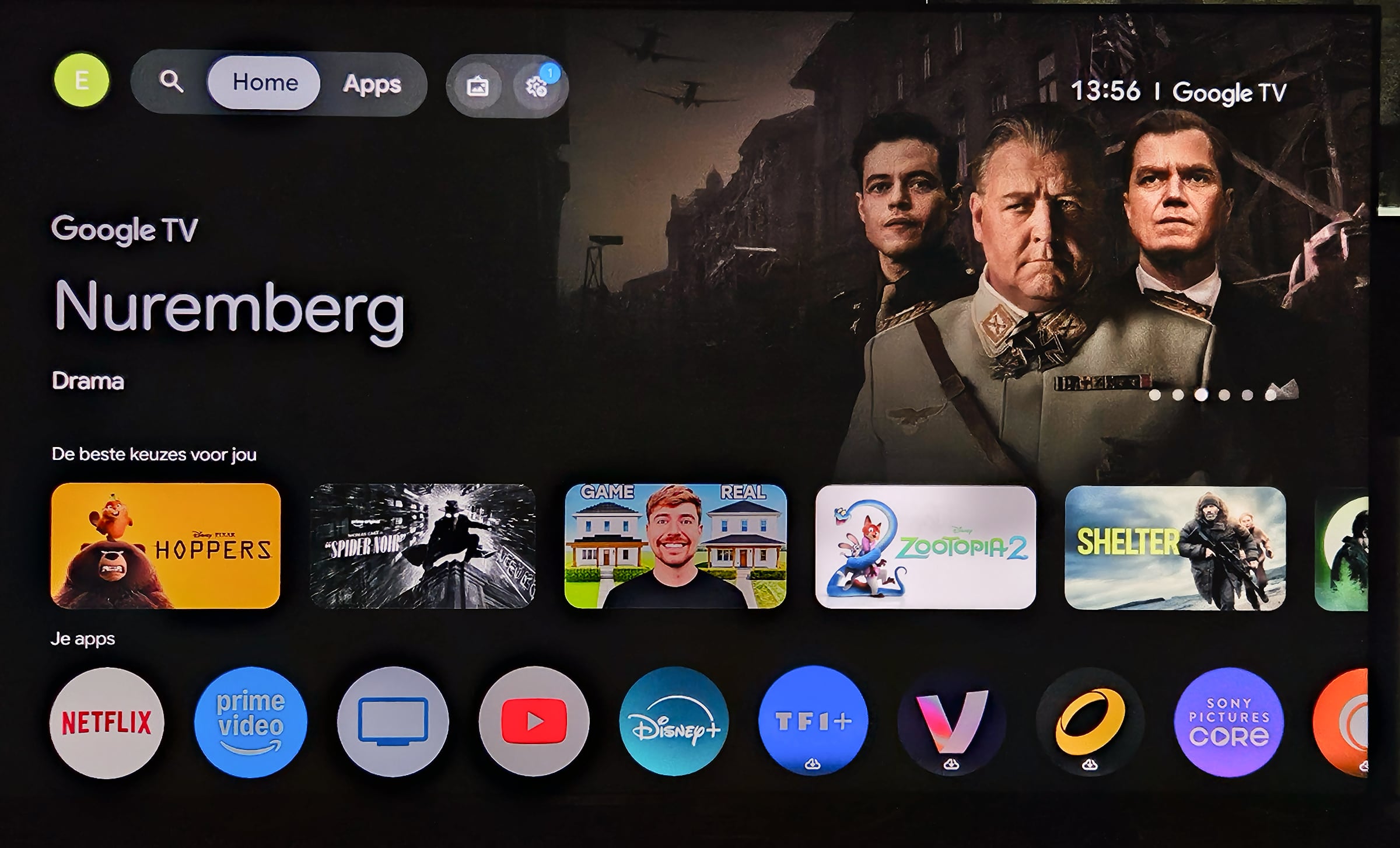
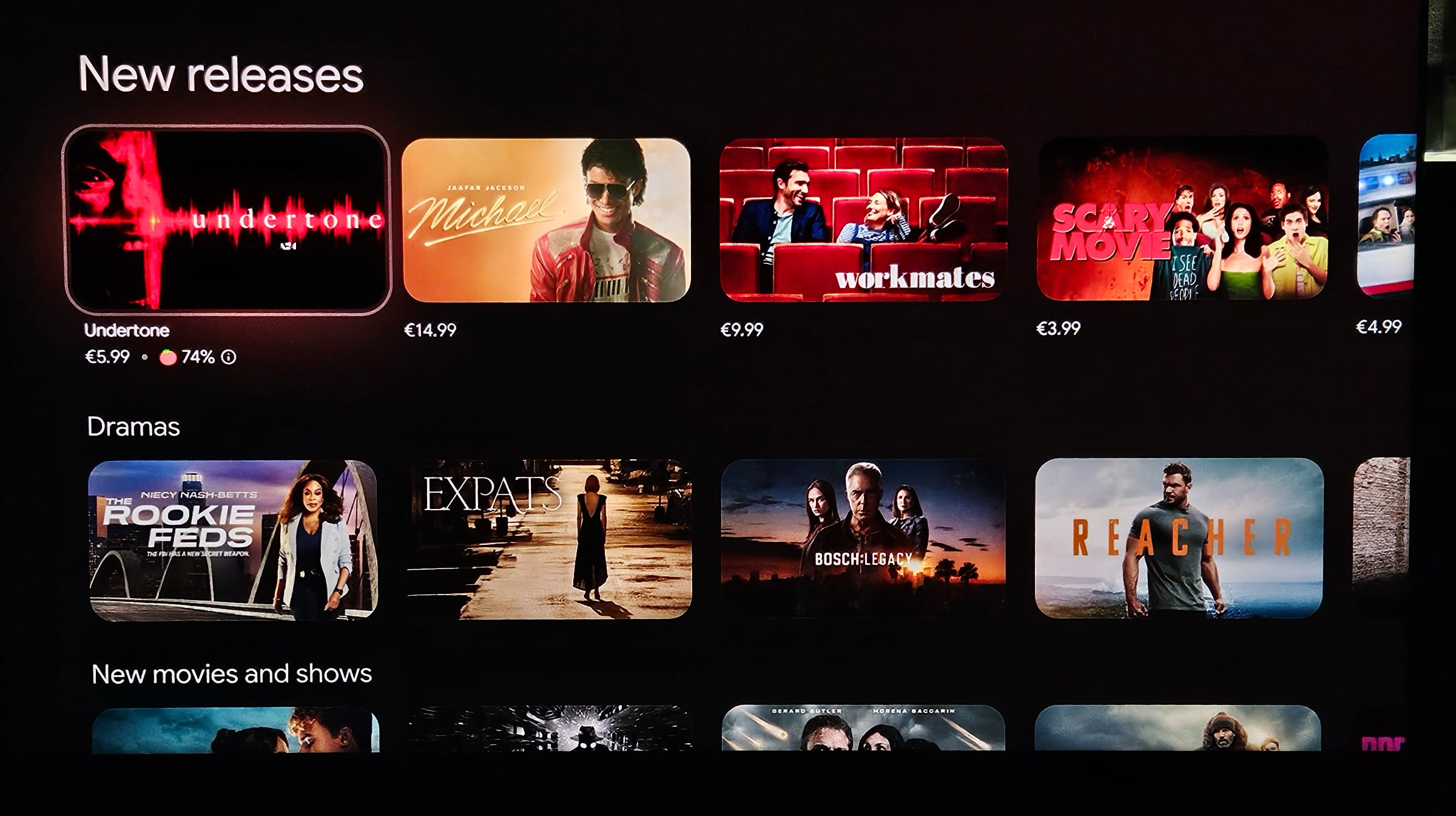
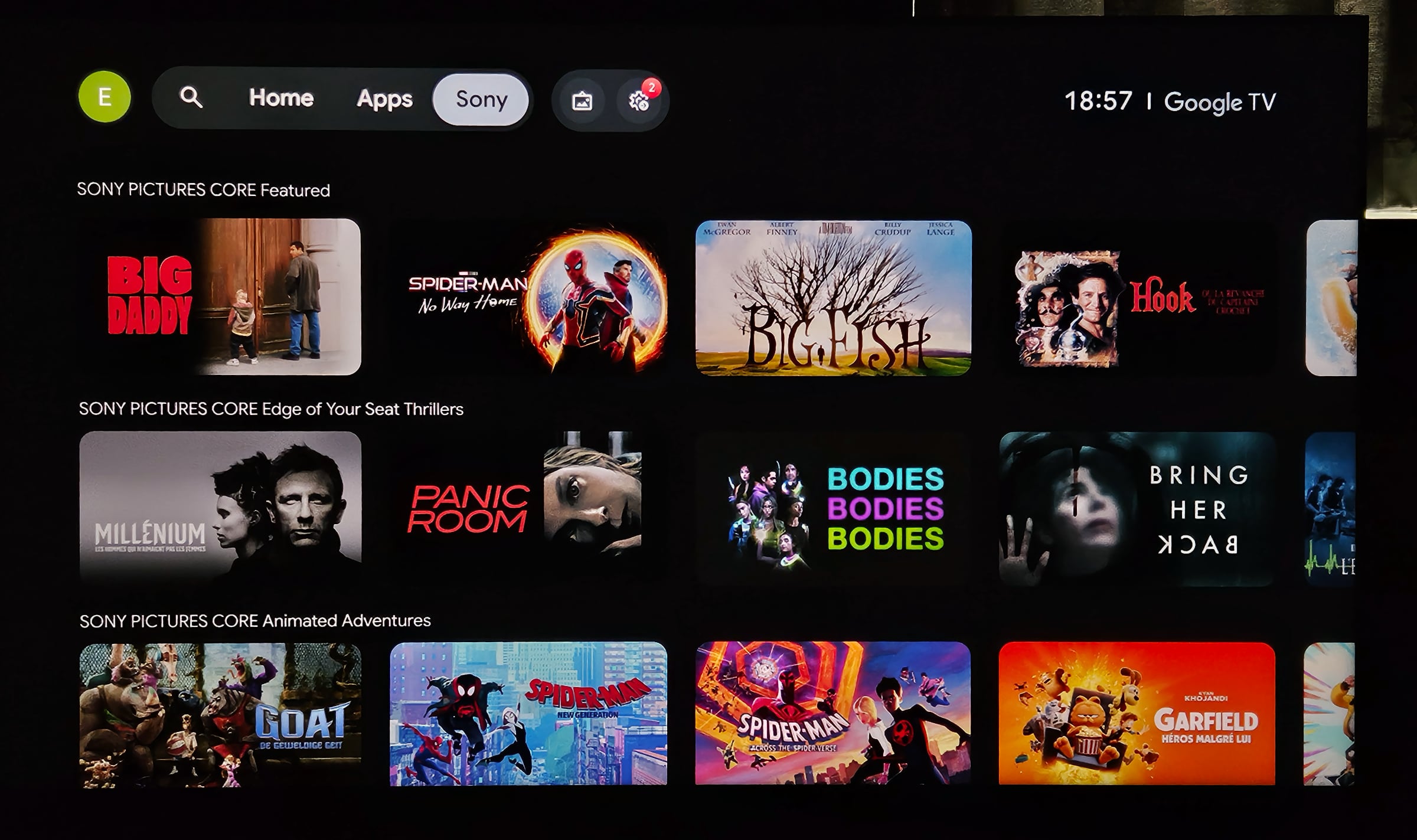
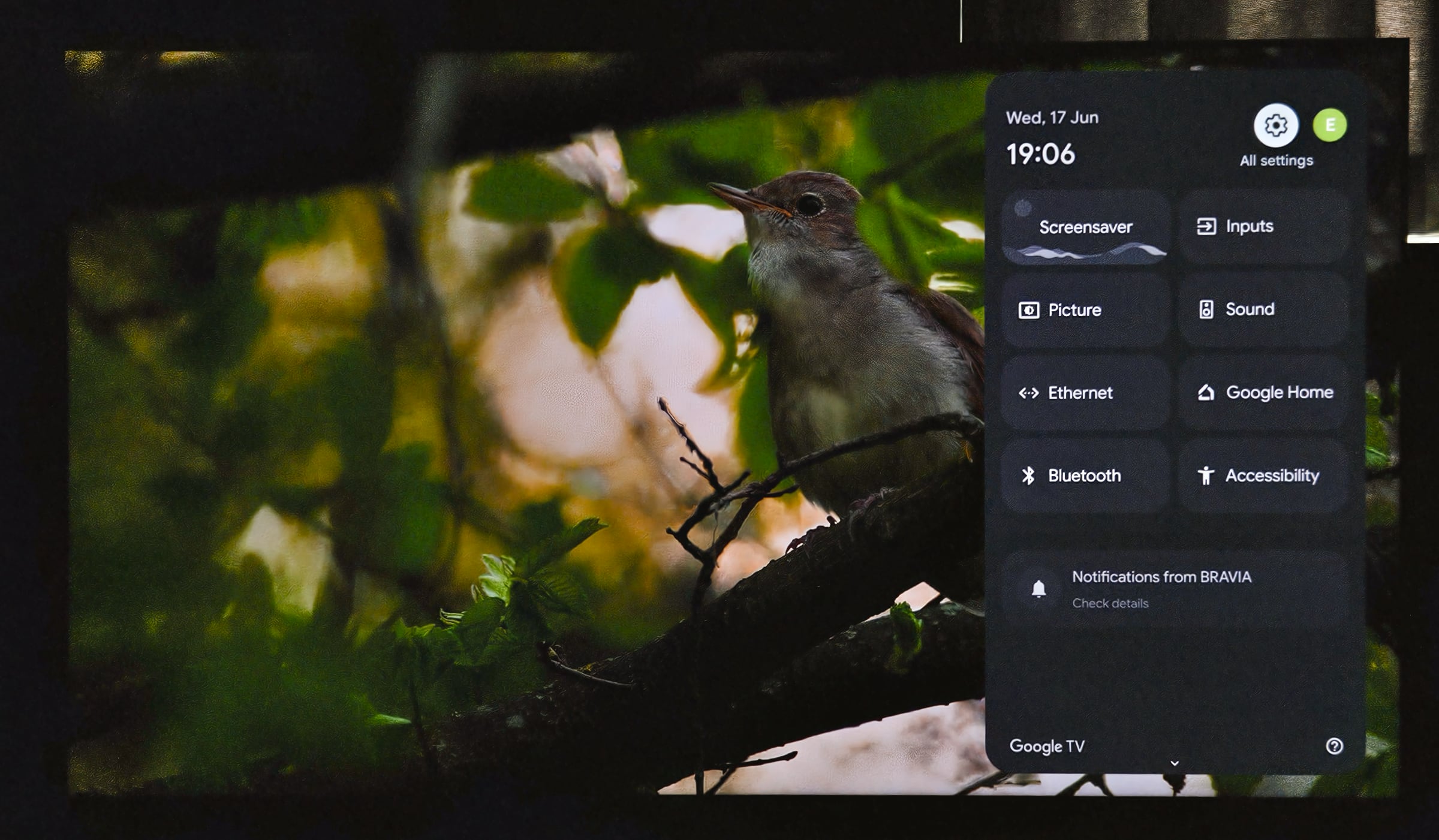
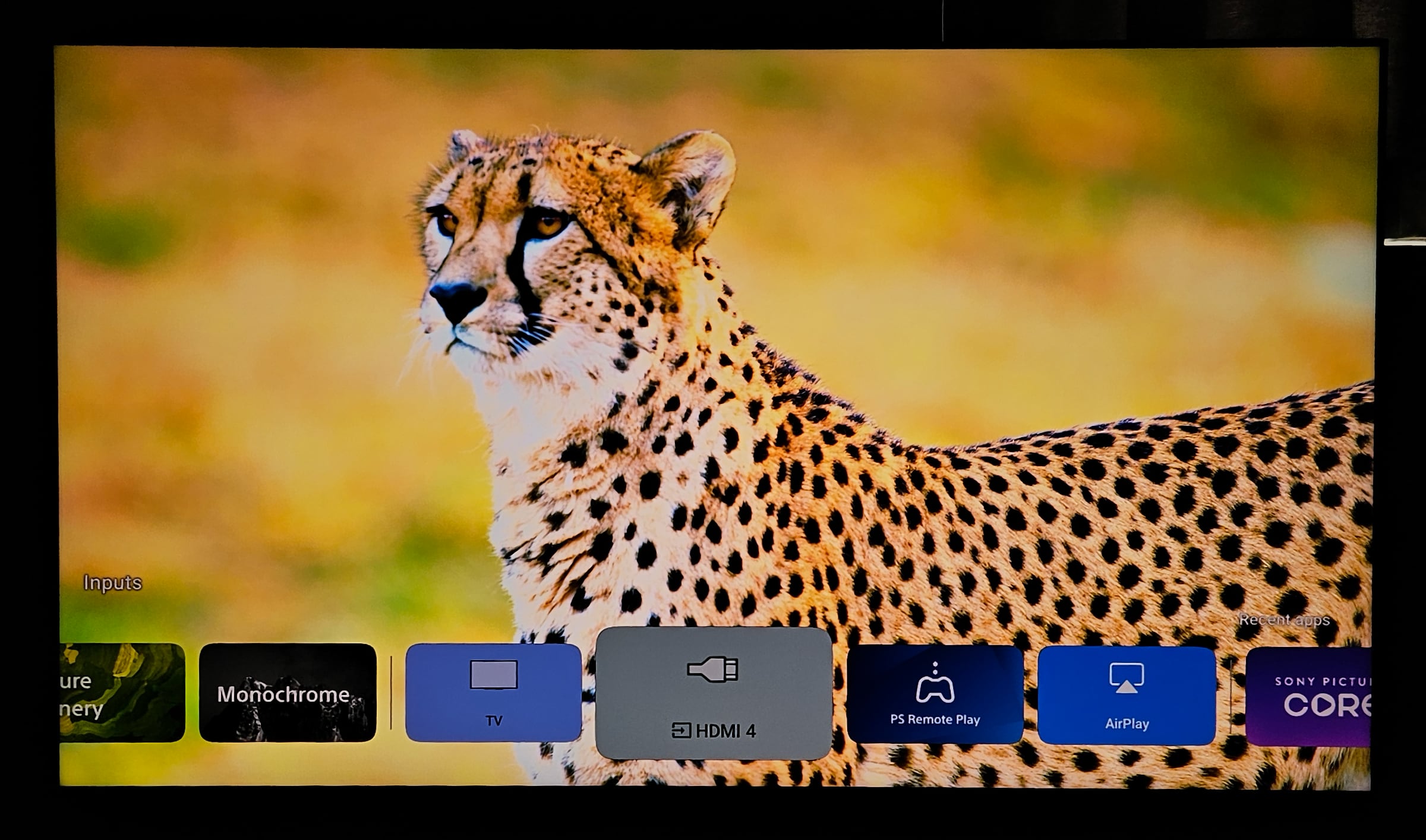
Smart TV functionality is provided by Google TV, running on Android 14 out of the box. The overall experience is solid, with an interface that responds quickly enough. Sony provides an ample 5GB of RAM but just 16GB of storage. That is on the limited side but should be sufficient for a substantial number of apps. If needed, storage can be expanded via USB. We would like to see Sony and Google communicate more transparently about the number of OS updates, or at least the number of years for which such updates are guaranteed. At present, this remains unclear. Since Bravia 9 II is powered by the MediaTek Pentonic 1000, its Google TV performance is similar to previous Sony high-end models dating back to 2023, such as A95L, which we CPU and GPU benchmarked against Nvidia Shield and Apple TV 4K here. The homescreen is dominated by full-screen sponsored content. In Belgium, this is currently limited to content-related recommendations, which we consider acceptable. In other regions, however, the sponsored content can also include non-content-related ads in the carousel or full-screen video ads, something we have criticised before. The idea that you should have to tolerate ads on a TV you have already paid for is difficult to justify, particularly on a flagship model. As for Google TV itself, we have little to complain about. There is a very broad selection of apps, including all major international streaming apps as well as a wide range of regional and local apps. Google Cast and Apple AirPlay 2 are also supported. Sony adds an extra perk through Sony Pictures Core, its own streaming service offering content from Sony Pictures. On Bravia 9 II, you receive 10 credits for renting films from the latest catalog, along with two years of unlimited access to a library of more than 100 older titles, which is regularly updated. Further down the homescreen, you will find extensive rows of recommendations grouped by category and sourced from different streaming services, based on your viewing habits. We have always found this to be an excellent way of discovering new content, although it would be even more useful if these recommendations also included content from local apps. Delving into the settings reveals one of the less elegant aspects of Sony's software design. For picture and sound, Sony has inserted an additional menu layer between the standard Google TV settings and its own settings interface. The result is three different levels, each with a different visual presentation. The general settings use the Google interface; selecting Picture and Sound takes you to a completely different layout, while opening the picture settings takes you into yet another interface. It is an unnecessarily confusing design choice.Operation
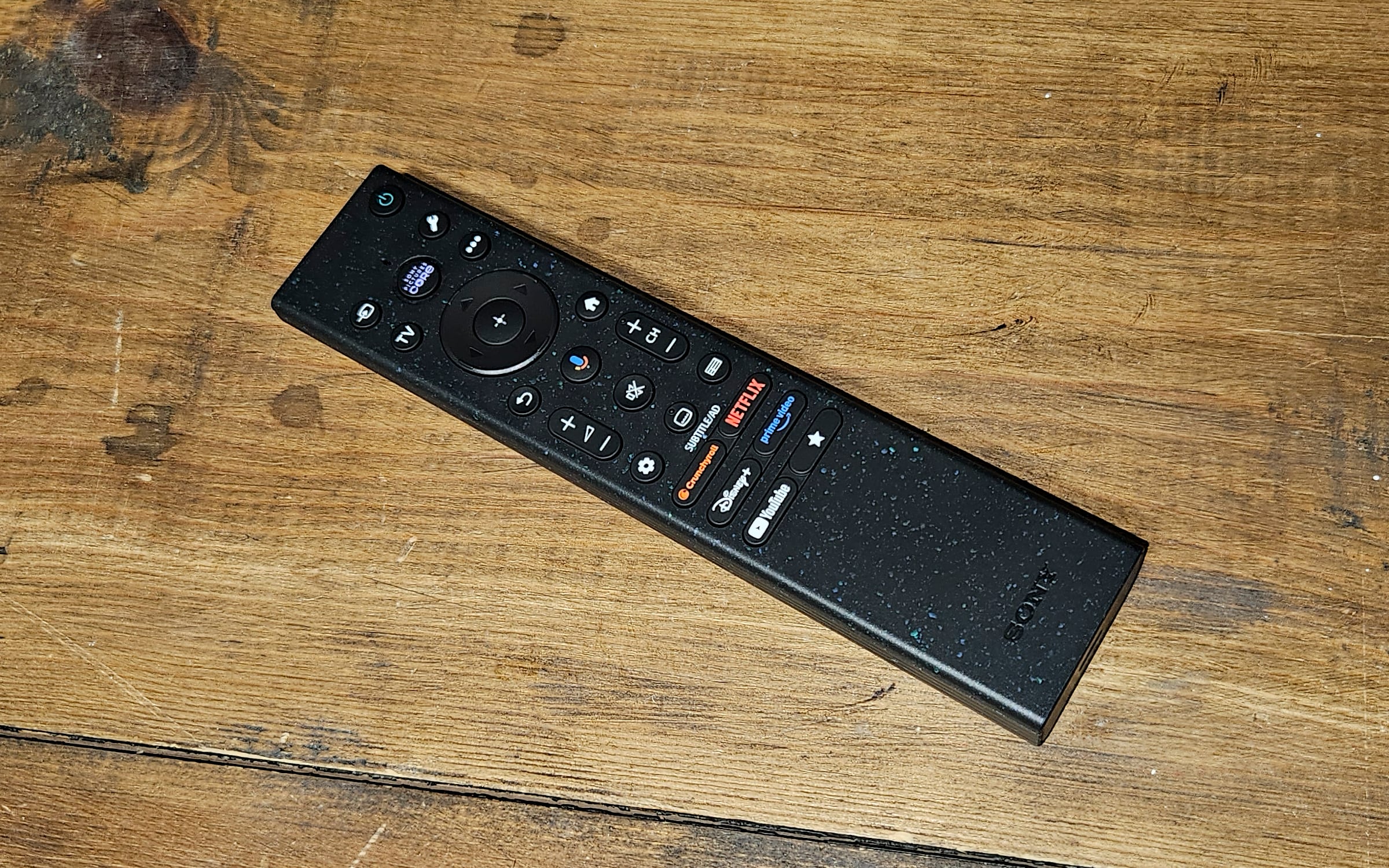
Sony has been supplying two remote controls with its TVs for some time. The traditional version with a full set of number keys tends to end up in the drawer; we prefer the more modern remote, which not only looks cleaner but is also more convenient to use. The layout is well organized, with backlit buttons and a relatively soft, precise key press that provides good tactile feedback. There are six sponsored streaming app buttons, but also a star button, which can be assigned to Google Home or an app of your choice. We would have like at least one more of these, an assignable button is way more useful than all those hard-coded sponsored buttons since you are unlikely to use all of them. A dedicated button for the Quick Settings menu, along with another for additional functions such as the on-screen keyboard and color keys, makes navigation particularly straightforward. The remote has a built-in rechargeable battery that charges via USB-C. At this price point, we had expected a more premium finish and look, but Sony places a strong emphasis on sustainability: the remote is made from recycled plastic as part of the company's broader environmental ambitions.Photo: FlatpanelsHDTV audio
Sound is often where a premium TV gives up ground, and Bravia 9 II cannot escape the physical limits of a slim chassis. It handles sound better than most TVs, though. Sony has equipped the TV with a 2.2.2-channel speaker system with 80W of total output and support for Dolby Atmos and DTS:X. During setup, the TV offers a short acoustic calibration that adapts the sound to your room. We recommend running it, as it helps the upward- and side-firing drivers make the most of the environment. The benefit depends on the room, however, and it will not turn a TV into a proper surround setup. The first impression is strong. In our movie tests, the bass was more powerful than we expected from a TV, with enough weight to support explosions. The surround presentation is convincing, and thanks to the tweeters hidden in the left and right frame the soundstage is spacious, even tracking on-screen action to a limited extent. The upfiring speakers render the Atmos height effects clearly audible and add another layer of immersion. One interesting setting is Voice Zoom 3, which lets you lift dialog above music and effects, or push it back. Music sounded good too, from hard metal to classical, with no obvious tonal problems. Volume is where major limits appear. Distortion stays under control for a while, but at high levels the balance suffers and the bass loses some of its impact. These are impressive results for TV speakers in such a slim chassis and for many it will be sufficient for mixed use, but if you want cinematic sound that matches the quality of the picture, a dedicated external audio system is unavoidable. We did not test it but Bravia 9 II is also one of the first models to support Sony's new wireless audio platform, Direct Connect, which lets you wirelessly connect additional Sony speakers, such as rear speakers, directly to the TV – no receiver required.Calibration
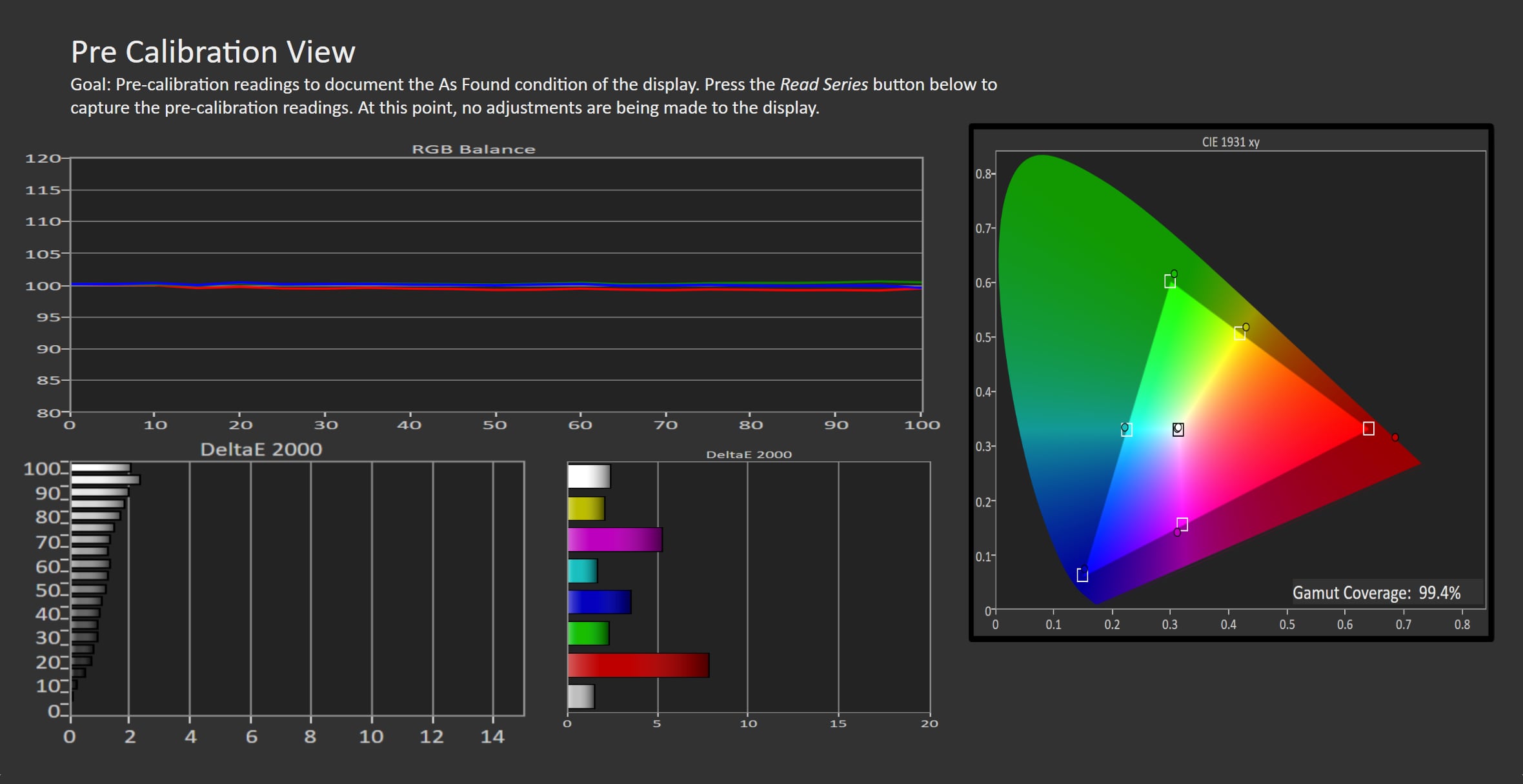
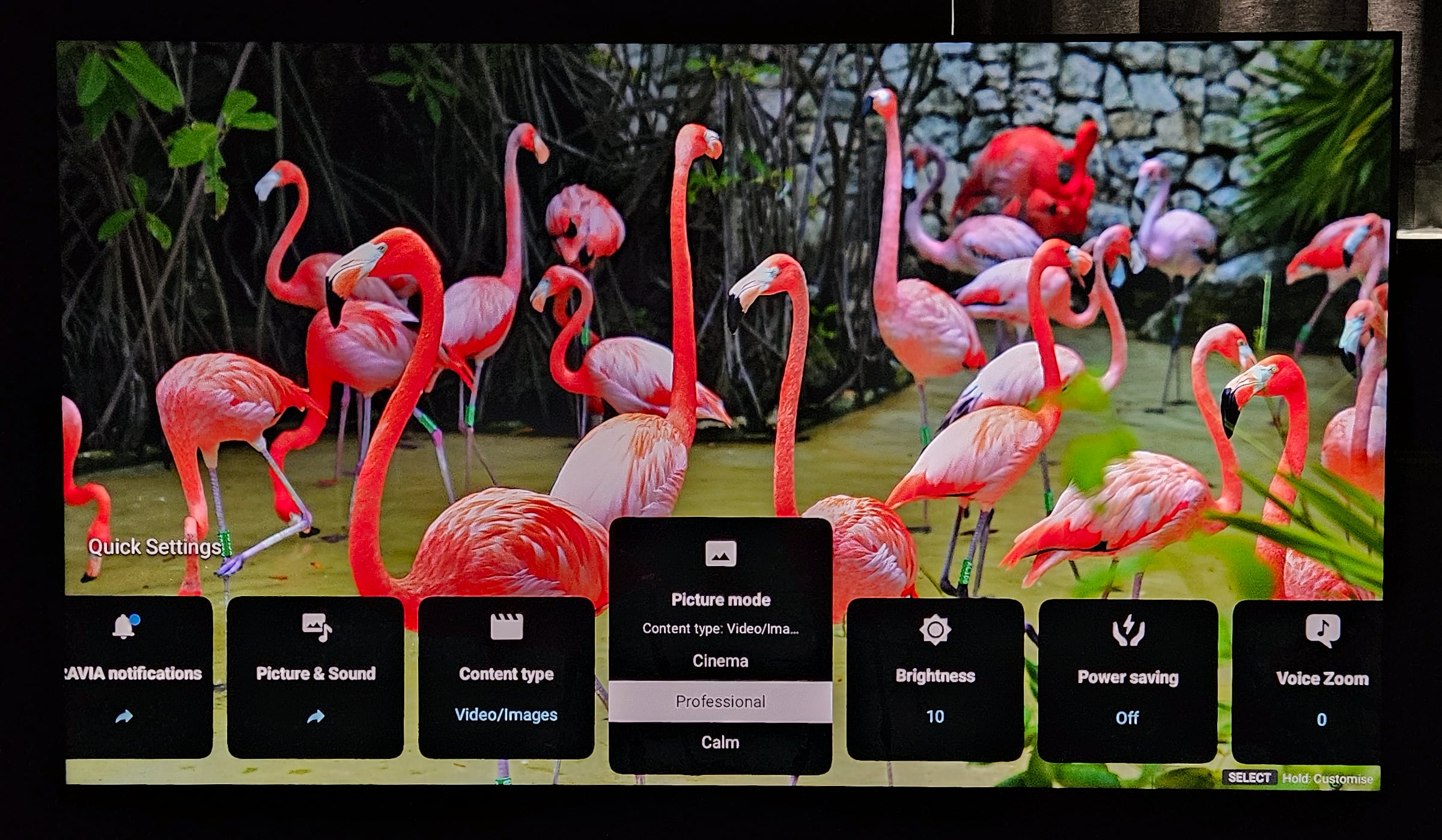
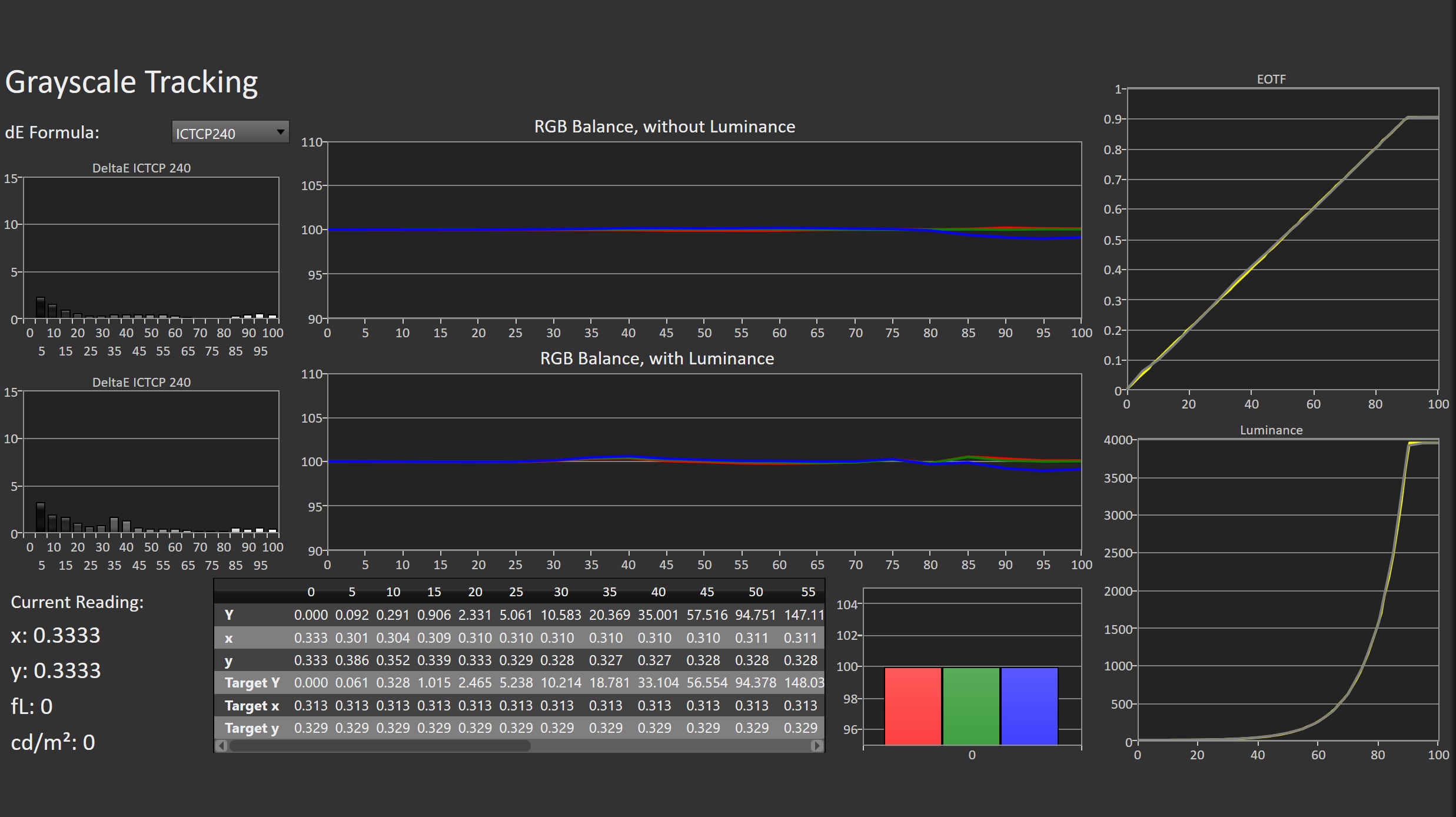
Sony does not offer Filmmaker Mode, but for the most accurate picture you can rely on the 'Professional' picture mode. Pre-calibration is excellent. The greyscale is neutral, while the slightly cool color temperature is barely noticeable, as it is mainly confined to the darkest shades. The mode delivers an excellent gamma value of 2.41, which is ideal for a cinematic presentation, while shadow detail is reproduced very well. Color reproduction is accurate, with only slightly too intense reds standing out. This is caused by the primary red being oversaturated. Fortunately, this is not visible in skin tones and only becomes apparent with highly saturated red shades. It is also worth noting that Sony only provides controls for adjusting the greyscale; there is no CMS for fine-tuning the primary colors. For gaming, simply switch the Content Type setting to 'Game'. Sony uses different names for the picture modes in this mode, and Standard is the best choice. It shares most of its settings with Professional mode for images and video, resulting in a very similar picture quality. The main difference is a lower gamma of 2.2, which reveals a little more shadow detail and produces brighter midtones. If preferred, this can easily be adjusted by setting Gamma to -2. The 'Professional' picture mode is equally well calibrated in HDR. EOTF tracking is almost perfect, and color reproduction is excellent. The RGB miniLED backlight reaches a peak brightness of 3,974 nits on a 10% window in 'Professional' HDR picture mode. It maintains that brightness remarkably well on smaller windows, with around 3,600 nits on both the 1% and 2% windows. Even with a full-screen white field, we measured a substantial 933 nits. These are impressive figures and Sony certainly lives up to its ambition of bringing Bravia 9 II as close as possible to the performance of a reference monitor. Also read: Sony sets its sights on 4000 nits as HDR's next frontier In terms of color gamut, we measured 97.8% DCI-P3 and 87.5% Rec.2020, which is the same as TCL X11L that uses SQD-miniLED rather than RGB LED, and slightly higher coverage than QD-OLED including Sony's own Bravia 9 II. Compared to OLED, Bravia 9 II's higher brightness gives it a larger color volume, allowing it to reproduce bright, highly saturated colors without losing intensity. Bravia 9 II delivers one of the largest color volume we have seen to date. As we have noted in previous reviews, however, the practical benefit of its wide Rec.2020 coverage remains limited, since the vast majority of consumer HDR content is mastered within the DCI-P3 color space rather than the wider Rec.2020 color space. Please note: We usually take measurements in several picture modes, both SDR and HDR, but for Bravia 9 II we could unfortunately only pull measurements for the Professional SDR and HDR picture modes. It was too late to add more as the TV had already been sent back.Bravia 9 II's Professional picture mode in SDR. Photo: FlatpanelsHDMeasurements
In our "measurements" section we include all measurements and our suggested calibration settings. If you want to learn more about our test methodology click here. Note: In 2021, we implemented a new method for measurement of average power consumption in SDR and HDR, meaning that earlier measurements are not 1:1 comparable. The new method will be used in all TV reviews going forward.Note: We include calibration settings only for SDR, not HDR. For our calibration we have deactivated the ambient light sensor that automatically adjusts the backlight setting according to your environment. You may prefer to have it enabled.Picture quality
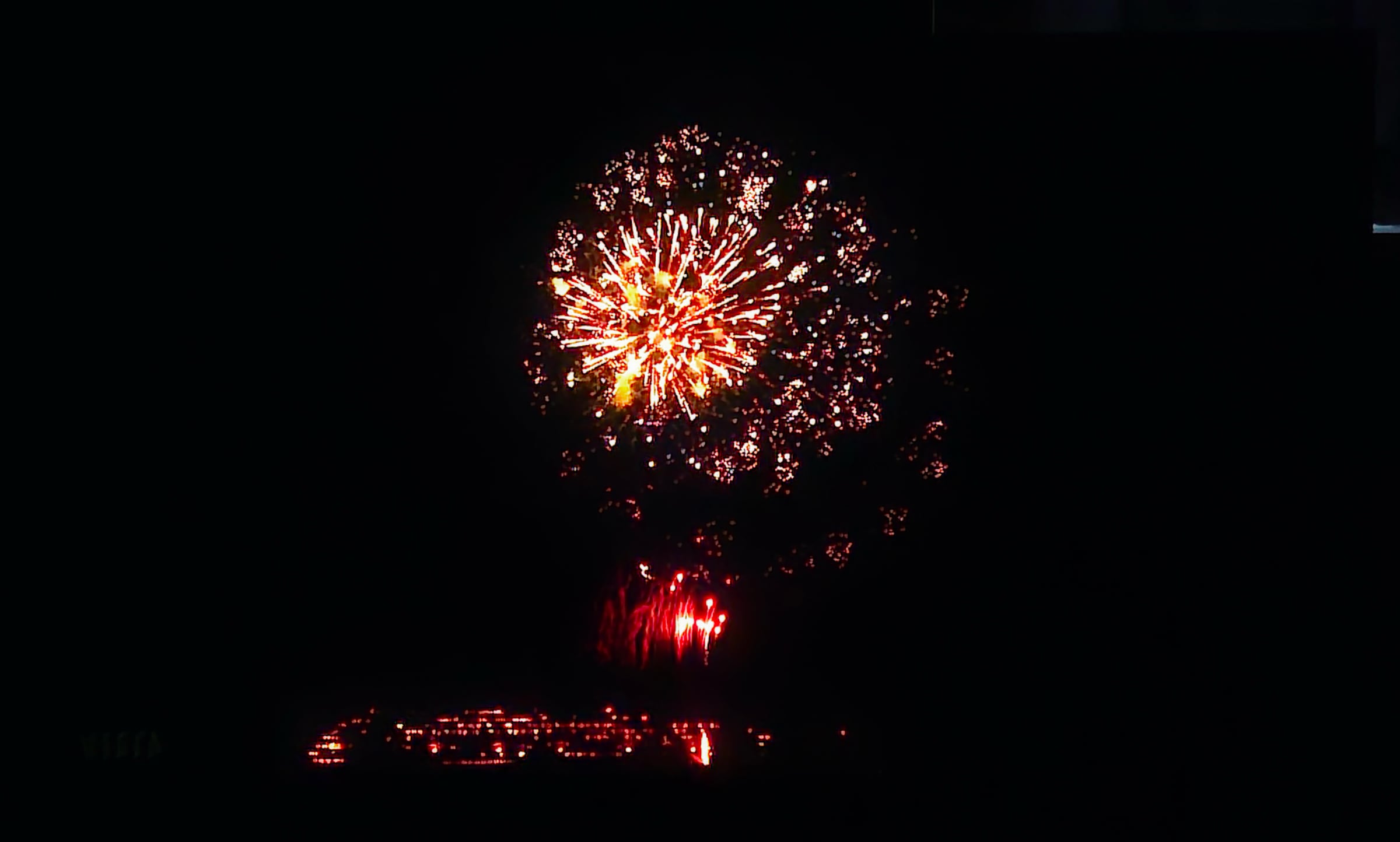
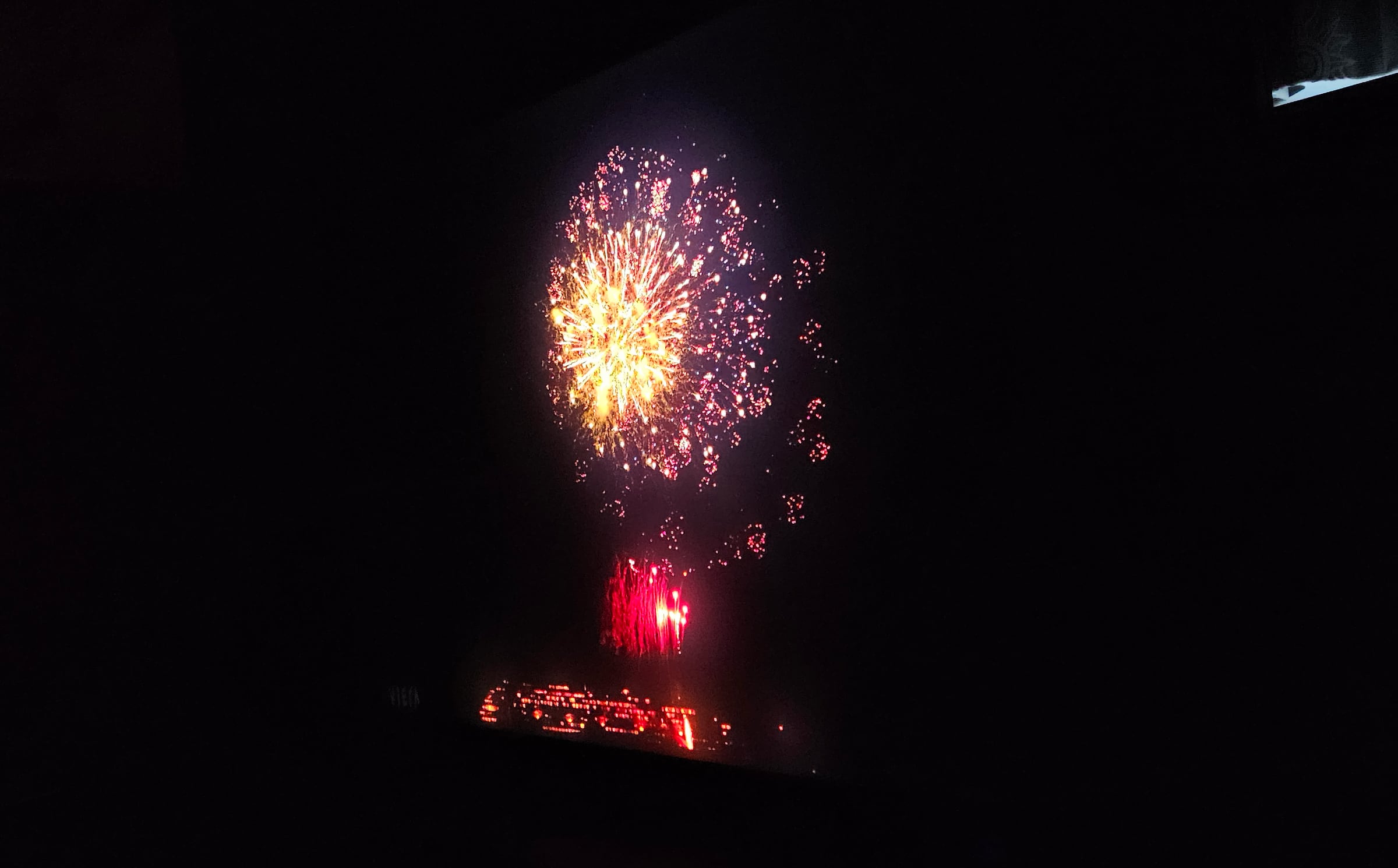
For Bravia 9 II, alongside our usual selection of test clips, we went back to Interview with the Vampire in a nostalgic mood, a film that does a good job of showcasing both the TV's dark-scene performance and its cinematic character. The Netflix series One Hundred Years of Solitude, meanwhile, provided a feast of color and light. So what stood out? The VA LCD panel delivers a native ANSI contrast ratio of 2,917:1, somewhat lower than what we have seen from the best panels in recent years, which can reach around 6,000:1. The matte screen Sony has introduced on Bravia 9 II may play a part here. Like Samsung, Sony has opted for an anti-glare coating, dubbed 'Immersive Black Screen Pro'. It is difficult to make a direct comparison without having the two TVs side by side, but Sony's implementation made a very good impression in my room. Ambient light has little to no effect on contrast, while small reflections are suppressed very effectively and larger reflections are heavily diffused and dimmed. This gives the TV a clear advantage in a bright living room. It is a design choice that will undoubtedly remain open to debate, but personally, I am convinced that it makes the TV more enjoyable to watch in a wider range of lighting conditions. Back to contrast: The RGB miniLED backlight is divided into 51 x 30 zones, for a total of 1530 dimming zones – significantly fewer than TCL's X11L's up to 20,736 zones. Each zone on Bravia 9 II can adjust not only its brightness but also its color. This raises the ANSI contrast ratio to 10,428:1, which is respectable, but not on par with OLED's extremely high contrast from its pixel-level luminance control. It is in our film sequences, however, that the real performance becomes clear. Whether it is the opening scene of Alien: Romulus or Sandra Bullock drifting through space in Gravity, Bravia 9 II demonstrates excellent control over its backlight. The vastness of space remains convincingly dark while the stars sparkle brightly against it. Compared to current zone-dimming LCD TVs, local dimming keeps blooming to a minimum, even in high-contrast HDR scenes where a faint halo can still be visible. We had the Sony set up alongside an OLED during testing, and we were surprised by just how closely it approached the OLED's performance in many scenes. The main situation where halos become more visible is when viewing the TV from an angle. As expected from a VA LCD panel, the viewing angle is relatively limited, with both contrast and color intensity dropping off-axis. From an angle, we could also see that some halos take on a noticeable color after which of the RGB LEDs are illuminated at the time. If anything, this makes them less conspicuous than a neutral white halo.With only 1530 dimming zones, blooming can still be visible After that first viewing experience, it came as no surprise that HDR content looks spectacular on this TV. High peak brightness, an enormous color volume, excellent contrast and support for HLG, HDR10 and Dolby Vision provide an excellent foundation. Dolby Vision 2 Max will presumably never come to this TV, as it requires a newer chipset than the MediaTek Pentonic 100. We would not consider that a real drawback, although it is a little disappointing for a 2026 flagship TV. The 'Professional' HDR10 picture mode is excellently calibrated. Sony continuously analyses the image in real time for its dynamic tone mapping, and the results are very good. The TV retains an impressive amount of highlight detail, offers plenty of shadow nuance and delivers excellent color reproduction. Reds and greens are slightly too bright, but this is difficult to notice without a reference display. When we tested material mastered at 10,000 nits, we did see some clipping of white detail, but outside of test material, content mastered at that level is extremely rare. HDR scenes with plenty of color and bright highlights, such as the battles in Pacific Rim, demonstrate the strength of the color reproduction as well as the deep, intense contrast. So, does the RGB miniLED backlight have no disadvantages? It does. Besides blooming, there is a potential risk of color crosstalk. With a conventional miniLED backlight, each zone produces white light, while the final color is determined by the TV's color filters. With RGB miniLED, each zone can also independently choose its color. The problem is that a typical image rarely consists of a single color within one dimming zone. If, for example, a small white detail appears in a zone that is otherwise dominated by red, the white detail can take on a reddish tint because the entire zone is being driven towards red. It is not a major issue with Bravia 9 II but it is a genuine limitation of RGB miniLED technology. Using more – and therefore smaller – dimming zones should reduce its impact, but it remains to be seen how manufacturers will address the issue and whether it will prove significant enough to matter in real-world viewing out in the living room rooms around the world. Sony's XR processor has been around for some time now, and it continues to deliver strong overall performance. One area still falls slightly short in our view: motion interpolation. At the smoothest setting, the processor cannot completely avoid introducing artefacts, particularly against complex backgrounds. With fast-moving scenes, it can also be a little slow to react, leaving some judder behind. Film purists will of course generally leave motion interpolation disabled, and Sony has catered for this by allowing the feature to be configured separately for film content at 24fps and sports at 50-60fps. Beyond that, we are very pleased with the processor's performance. Deinterlacing is excellent, while noise reduction and upscaling are both very capable. The processor also does a good job of eliminating banding in smooth color gradients. Sony continues to add new functionality to its processing suite. Reality Creation, the feature designed to add extra detail to the image, now offers a choice between maximum detail and a cleaner image. The latter appears to apply stronger noise reduction, which can make the picture look somewhat flat. We therefore prefer the 'Maximum Detail' setting. Even with Reality Creation left on Auto, we saw a subtle improvement in fine detail. This worked well even with DVD material, where aggressive sharpening can easily emphasise inherent picture flaws, yet Bravia 9 II managed to keep the result clean and natural. Gaming support includes ALLM and VRR and Bravia 9 II has a low input lag, measuring 14,3ms at 4K 60Hz and 9.1ms at 120Hz. Competitors offer a slightly lower input, but these results are good enough to provide a responsive gaming experience with PlayStation 5 and Xbox Series. Do not forget to switch the TV to Game Mode since in Video Mode latency increases to approximately 184ms. The maximum refresh rate of 120Hz is no issue for console gamers, but PC gamers may be a bit disappointed since competitors offer refresh rates up to (4K) 165Hz, and in some cases even up to 288Hz if you are willing to reduce the resolution to 2560x1440. It is also worth highlighting that LCD panels have significantly slower response time than OLED panels, resulting in lower motion resolution. As mentioned earlier, it is disappointing that Bravia 9 II still has only two HDMI 2.1 ports.Conclusion
Ad:Sony has been teasing its RGB LED technology, marketed as "True RGB", for some years, but experiencing Bravia 9 II in practice was an absolute pleasure. We would go as far as to say that the technology delivers on its promises. With 1,530 dimming zones, the TV combines impressive peak brightness with a very wide color gamut and excellent contrast performance, keeping blooming mostly under control. Add the strong performance of Sony's XR processor and the excellent calibration in both SDR and HDR. The choice of an anti-glare screen may not appeal to everyone, but I found it to be a worthwhile addition. The limited viewing angle should, however, be kept in mind, as is typical of VA LCD panels. Bravia 9 II relies on the same MediaTek Pentonic 1000 platform as its predecessor, which means gamers are still limited to two HDMI 2.1 ports. Gaming support is good, with ALLM, VRR and low input lag, but the TV is starting to fall behind some competitors being limited to 120Hz. Another consequence of the older chipset is that Dolby Vision 2 Max is unlikely to come to this TV. Google TV offers a broad selection of apps, complemented by access to Sony Pictures Core – Sony Pictures' exclusive streaming service. With Google Cast, Apple AirPlay 2 and extensive content recommendations, Google TV remains a strong all-round smart TV platform. Unfortunately, it continues to move towards a more ad-driven homescreen, with sponsored recommendations and ads in the top carousel. The exact experience varies depending on your country. Sony Bravia 9 II is one of the best LCD TVs ever. The biggest hurdle is its price. Bravia 9 II is expensive, and Sony is rarely a brand that offers substantial discounts. Top-tier performance comes at a price, but some other flagship OLED and LCD TVs are offering better value-for-money.Price and retailers:
US retailerUK retailer
DE retailerExcellent SDR & HDR picture quality Very high peak brightness (4000 nits) Effective anti-glare screen Very large color gamut Google TV's app selection Decent speakers, Dolby Atmos & DTS:X
More and more ads in Google TV Only two HDMI 2.1 ports Old MediaTek chip Viewing angles, blooming Price