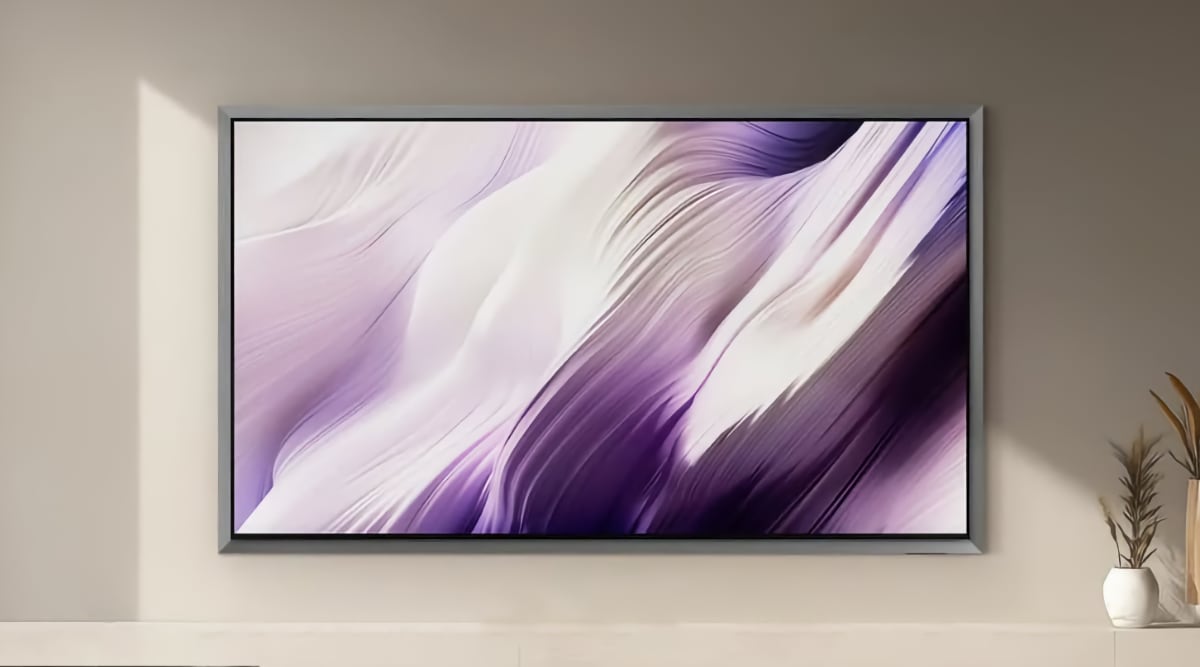
Review: Samsung S99H / S95H (QD-OLED)
S95H in North America and S99H/S95H in Europe is Samsung's flagship TV for 2026 with a further improved matte QD-OLED panel that promises up to 45% higher brightness, now with a metal bezel, optional support for a wireless One Connect box and up to 165Hz. S99H / S95H is available in 48, 55, 65, 77 and 83 inches, but be aware that only the 55, 65 and 77 inches have the QD-OLED panel, while the other two are WOLED. We are testing the 65-inch QD-OLED. Also read: Samsung 2026 TV lineup (with TV Compare Tool)Price and retailers:
US retailer
UK retailer
DE retailerFirst impressions
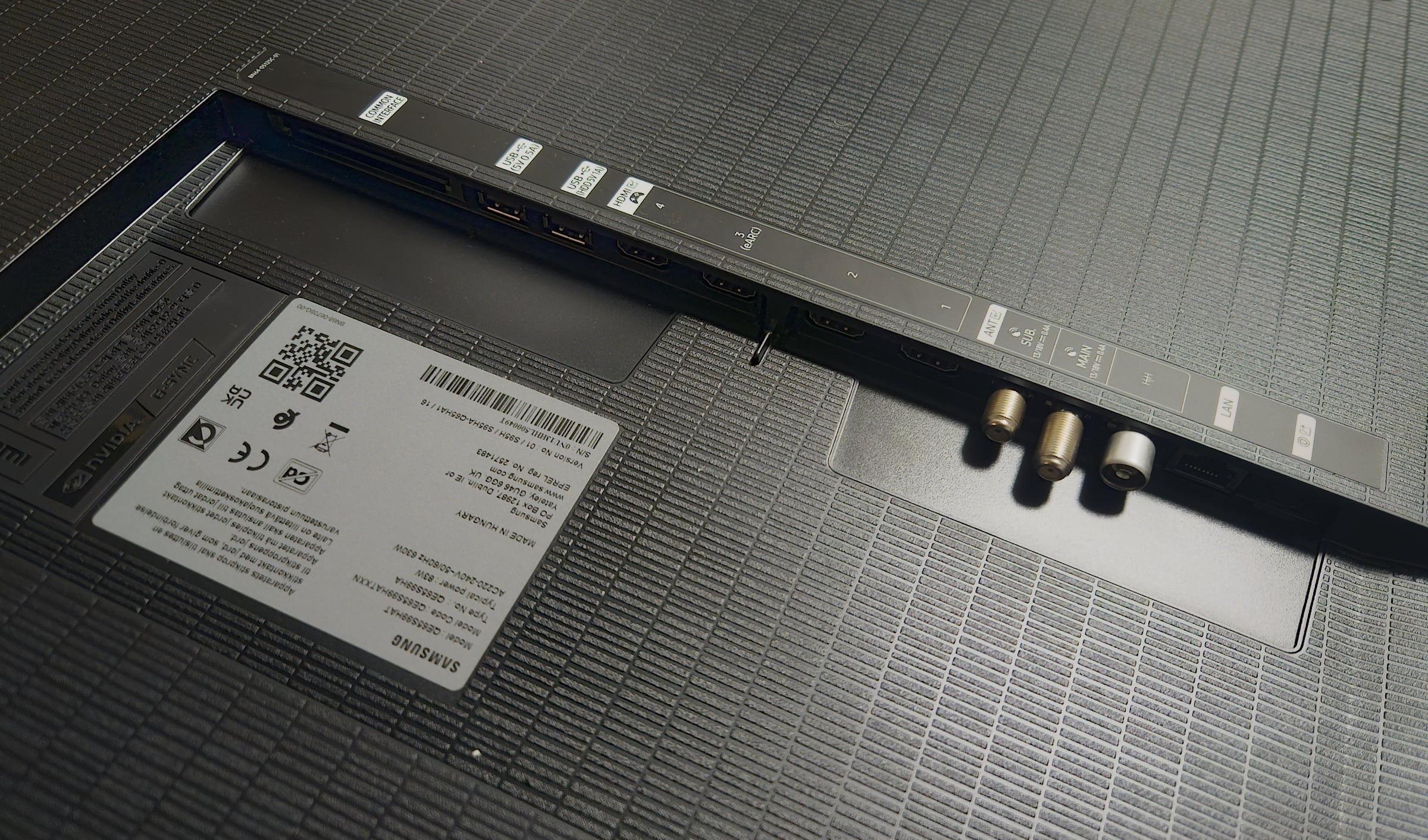
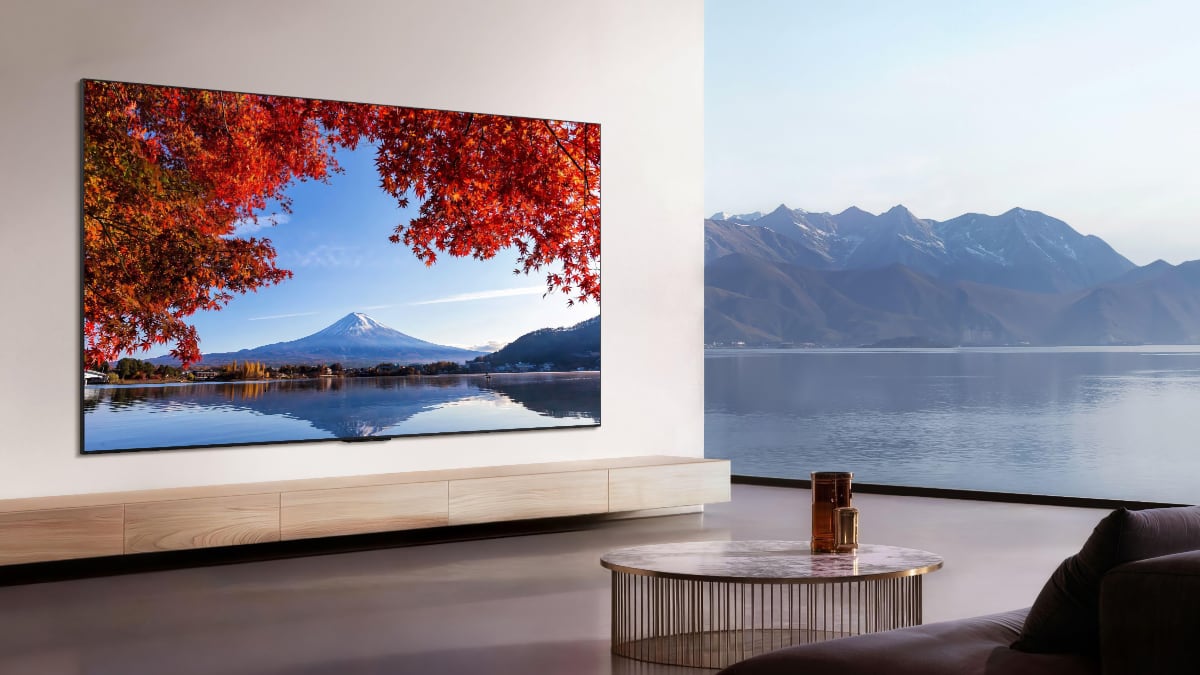
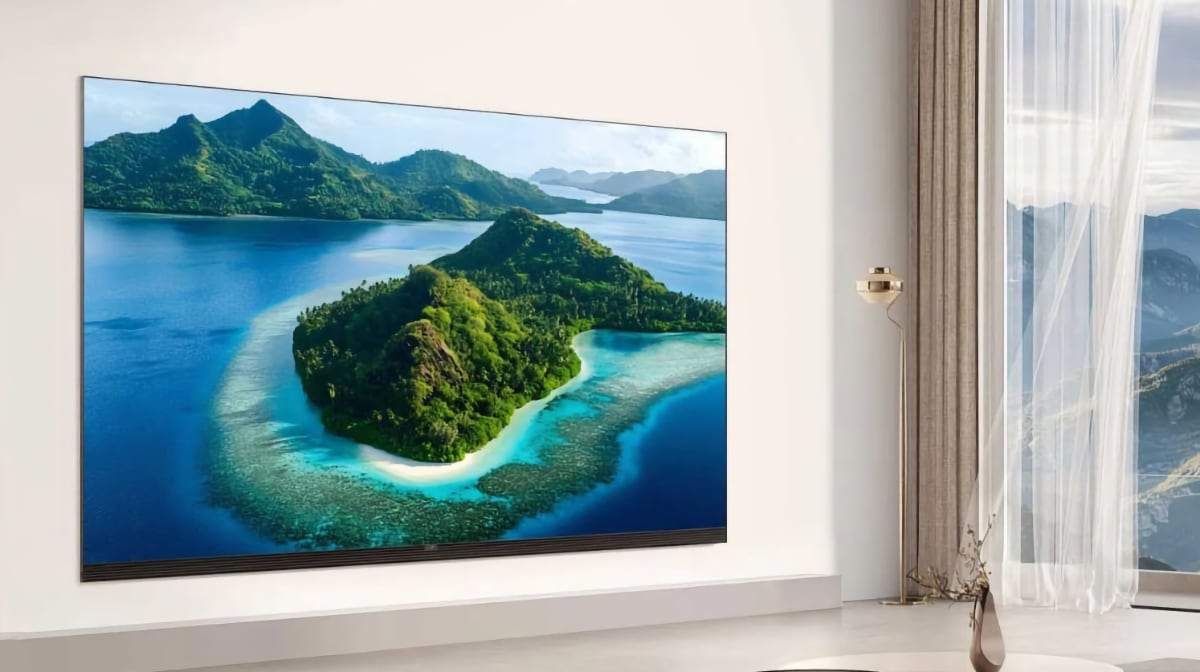
S99H in Europe and S95H in America is Samsung's flagship OLED model. Not only has Samsung refined QD-OLED performance, but it has also wrapped it in one of the more distinctive TV designs we have seen in recent years. While TV makers have spent the last decade chasing ever thinner bezels, or making them disappear altogether, S99H/S95H heads firmly in the opposite direction. It features a wide 35mm aluminum frame and a completely flat rear panel that allows it to sit close to the wall when mounted. The display itself is suspended just under two centimeters in front of the frame, creating a floating effect, hence Samsung's "Floatlayer" design name. The wall mount, however, is optional. Inside the box, Samsung only includes two relatively slim plastic feet. That feels somewhat surprising given how clearly the TV is designed with wall mounting in mind. On its feet, the design appears less convincing. Having seen the TV mounted on walls at launch events, we think it looks considerably more striking in its intended setup. Either way, this is a design that is likely to divide opinion. S99H/S95H offers a solid selection of connectivity options, all positioned sideways so cables do not interfere with wall installation. On the back, Samsung has integrated narrow cable channels that route cables toward the center and then downward. If you use the included feet, however, cables remain visible since there is no central stand to conceal them. The TV is equipped with four HDMI 2.1 ports, all supporting the full 48Gbps bandwidth along with the complete suite of gaming features. Alongside Ethernet, Samsung includes WiFi 6E enabling faster and more stable wireless connectivity if you own a WiFi 6E router. It also supports Bluetooth Auracast. Optionally, S99H/S95H can be paired with Samsung's wireless One Connect Box. This setup adds another four HDMI 2.1 ports, but there is an important trade-off as these ports have noticeably higher input lag. In previous testing of The Frame Pro, which uses the same wireless One Connect Box, I measured an additional delay of around 25-30 ms. Europe's S99H is marketed as S95H in North America. In Europe, S95H is essentially an S99H with the Infinity One Design (no metal frame) and a wired One Connect box.Photo: FlatpanelsHDUser experience & features
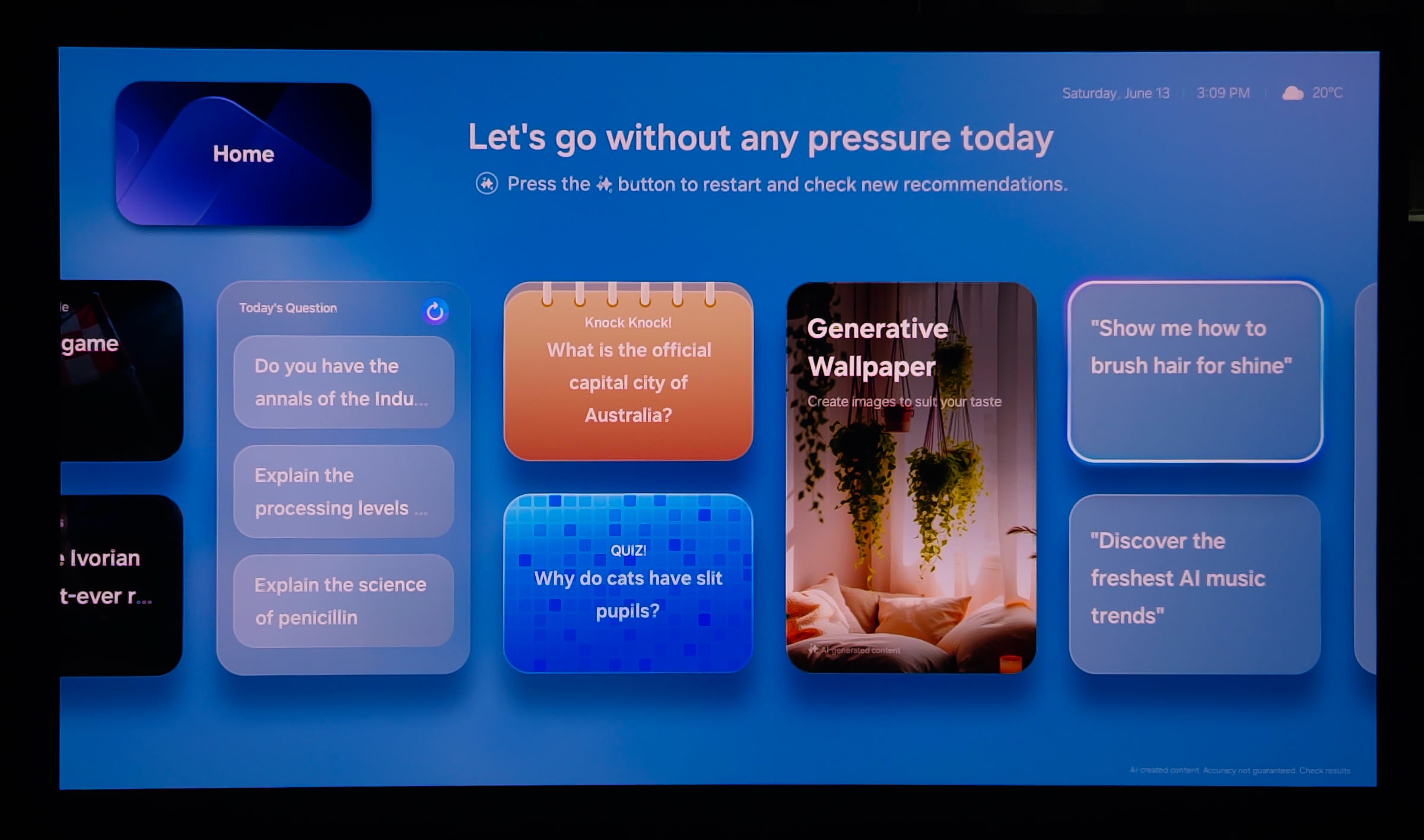
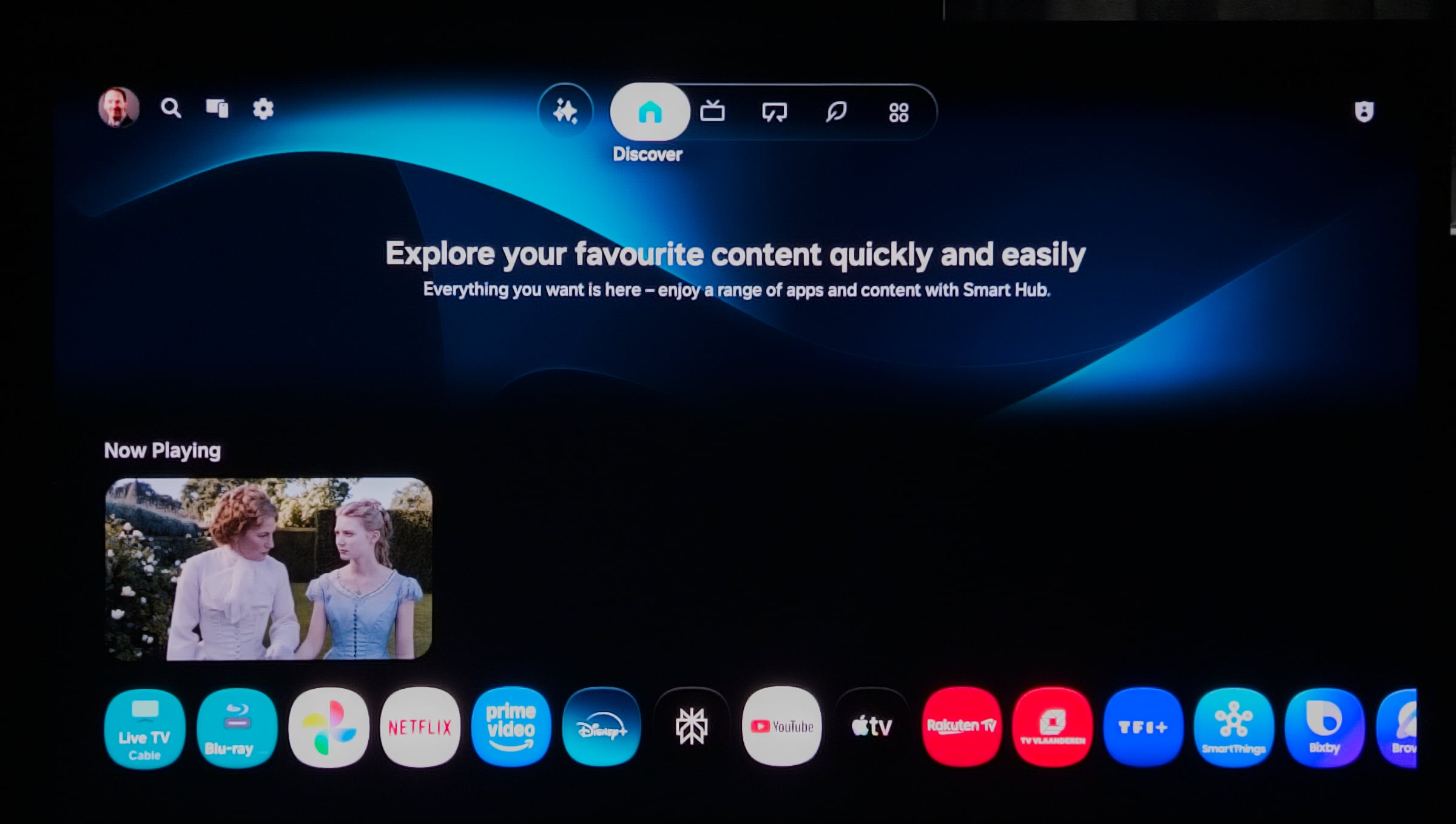
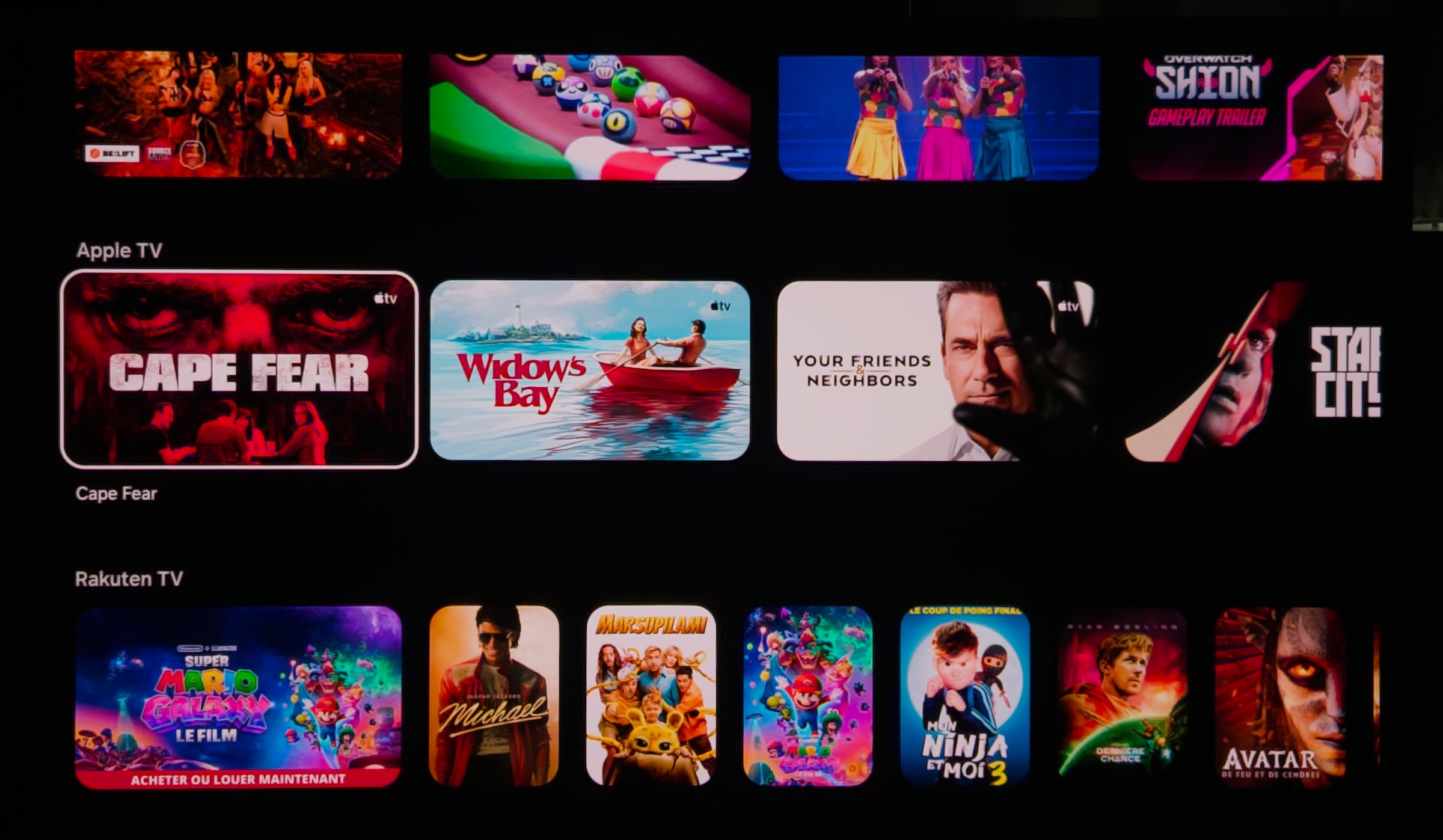
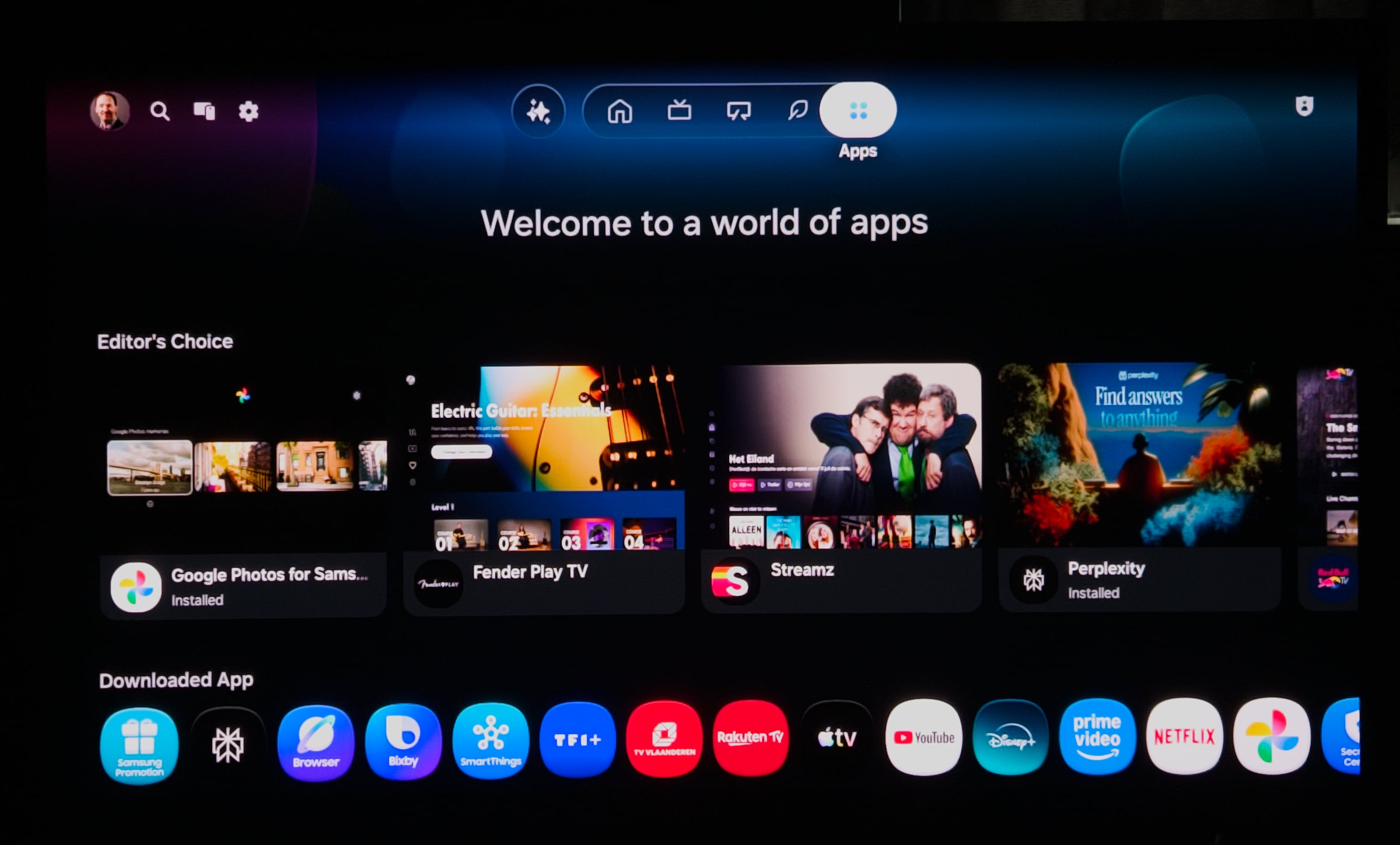
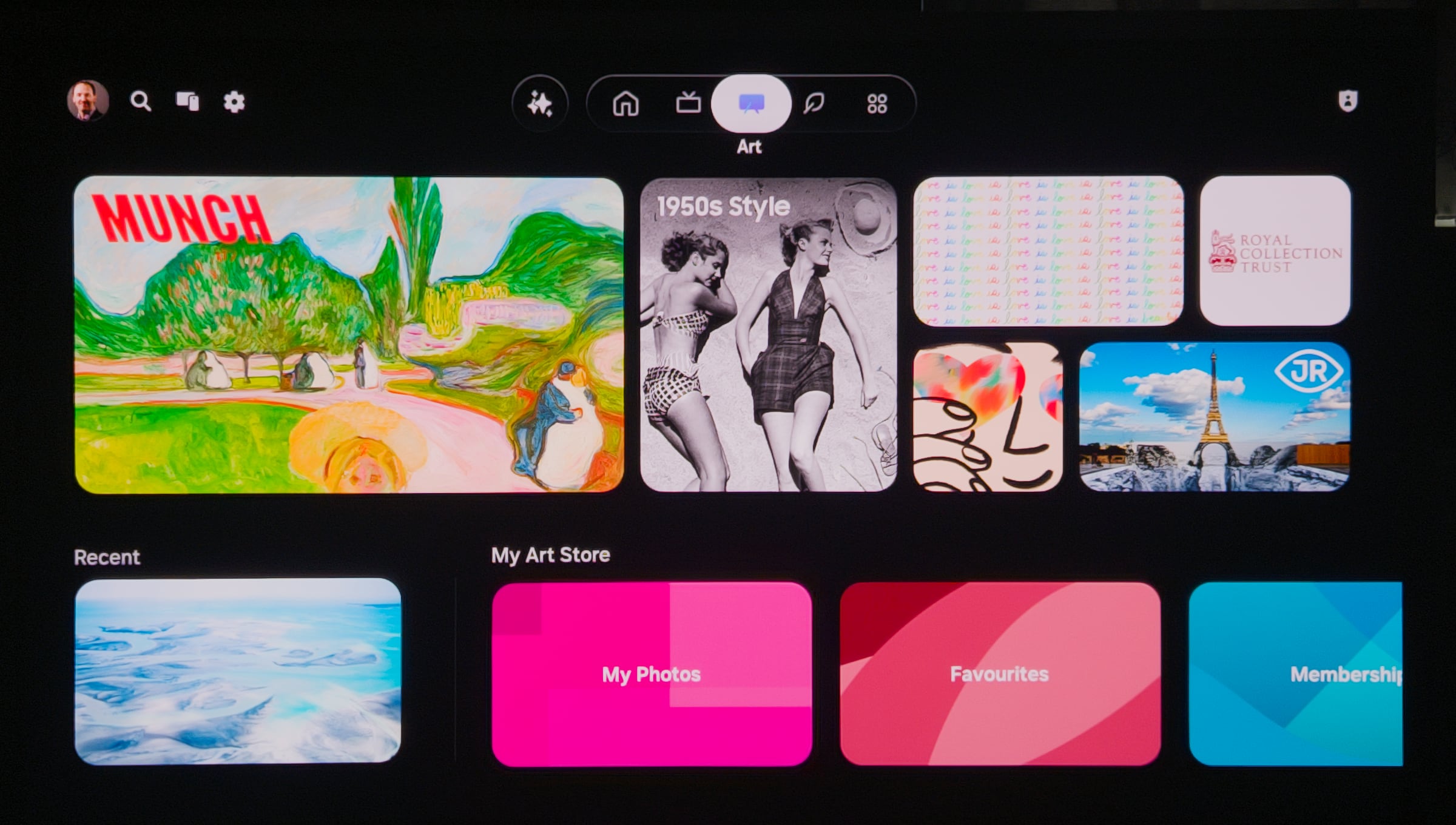
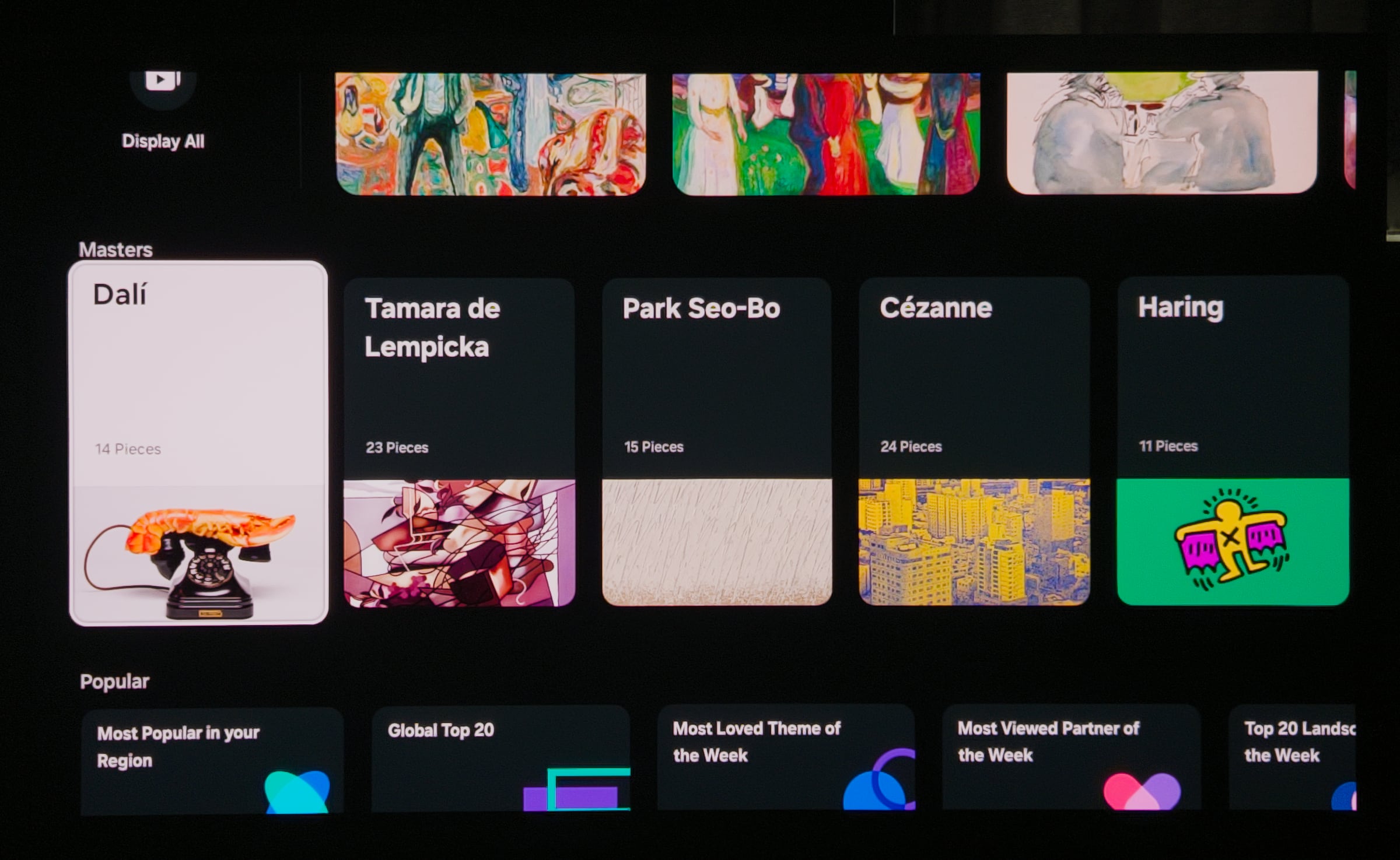
We see a small redesign in One UI Tizen, although the underlying platform remains largely unchanged. All icons providing access to the different sections of the homescreen, settings and connected devices have moved to the top of the interface. The various tabs that previously lived inside the home page are now directly accessible via these icons, making navigation more transparent and the available options easier to understand. During our testing, the homescreen, now labeled Discover, felt surprisingly sparse, with the familiar top carousel of content recommendations left empty. From here, users can switch between Live, Art, Daily and Apps (the app store). There are normally ads in the top carousel in addition to ads/recommendations for partner content further down on the Tizen homemenu, but since our Tizen refused to load, we did could not evaluate the state of ads in 2026 – we will revisit the subject in later reviews. Samsung recently announced that the carousel is now open to ads from Google and others. Hopefully, these ads will be removable by from user settings. The Live section combines traditional TV channels with Samsung TV Plus content. Daily groups together the growing collection of apps that extend beyond TV viewing and streaming, including services such as Google Photos, SmartThings, Hue Sync and fitness applications. Art is the most significant addition, especially given the obvious ambition to be an art frame. It provides access to Samsung's Art Store, previously exclusive to The Frame lineup. It is the first time that the art store is available on any Samsung OLED TV. A limited selection of artwork is available free of charge, while the full catalog requires a monthly subscription. To the left of Discover sits a dedicated AI icon leading to Vision AI Companion. This section presents a grid of large tiles offering AI-powered suggestions and questions. Copilot and Perplexity are available as standalone apps, alongside AI image generation tools. Whether these features add meaningful value remains open to debate, but Samsung deserves credit for isolating them in a separate area so users who are uninterested can simply ignore them. We have long hoped for a capable cross-platform search function and AI could theoretically help enable that. Unfortunately, Search remains a disappointing experience. In our tests it surfaced only YouTube results, although availability may vary depending on region.That said, Samsung's platform still offers several strengths. Most importantly, the app ecosystem remains one of the broadest available, covering all major streaming services, although some regional or local apps are missing. Support for Apple AirPlay 2 is included and Google Cast was added at the end of last year. Samsung TV Plus provides access to a growing selection of FAST (free ad-supported streaming TV) channels. Now Brief offers you a personalized screen with various widgets that can appear on screen when the tv detects your presence in the room (either by sound or motion). The row of apps on the homescreen can be customized and the revised layout makes the overall experience feel cleaner and easier to navigate. Interface responsiveness is excellent, with little to no delay when opening menus or settings. We also appreciate the ability to customize the quick settings panel, while the full settings menu conveniently surfaces recently used options at the top. And, finally, Samsung's commitment to 7 years of Tizen OS updates remains one of the platform's strongest long-term advantages. For users integrating the TV into a smart home setup, SmartThings also brings extensive functionality. The TV can operate as an IoT hub and supports Matter, Thread and Zigbee. Samsung added support for HDMI 2.1 QMS (Quick Media Switching) in late 2024 for OLED models. QMS is also supported on S99H/S95H, allowing it to change its refresh rate (but not SDR/HDR) without a black screen together with a QMS-enabled media player.Photo: FlatpanelsHDOperation
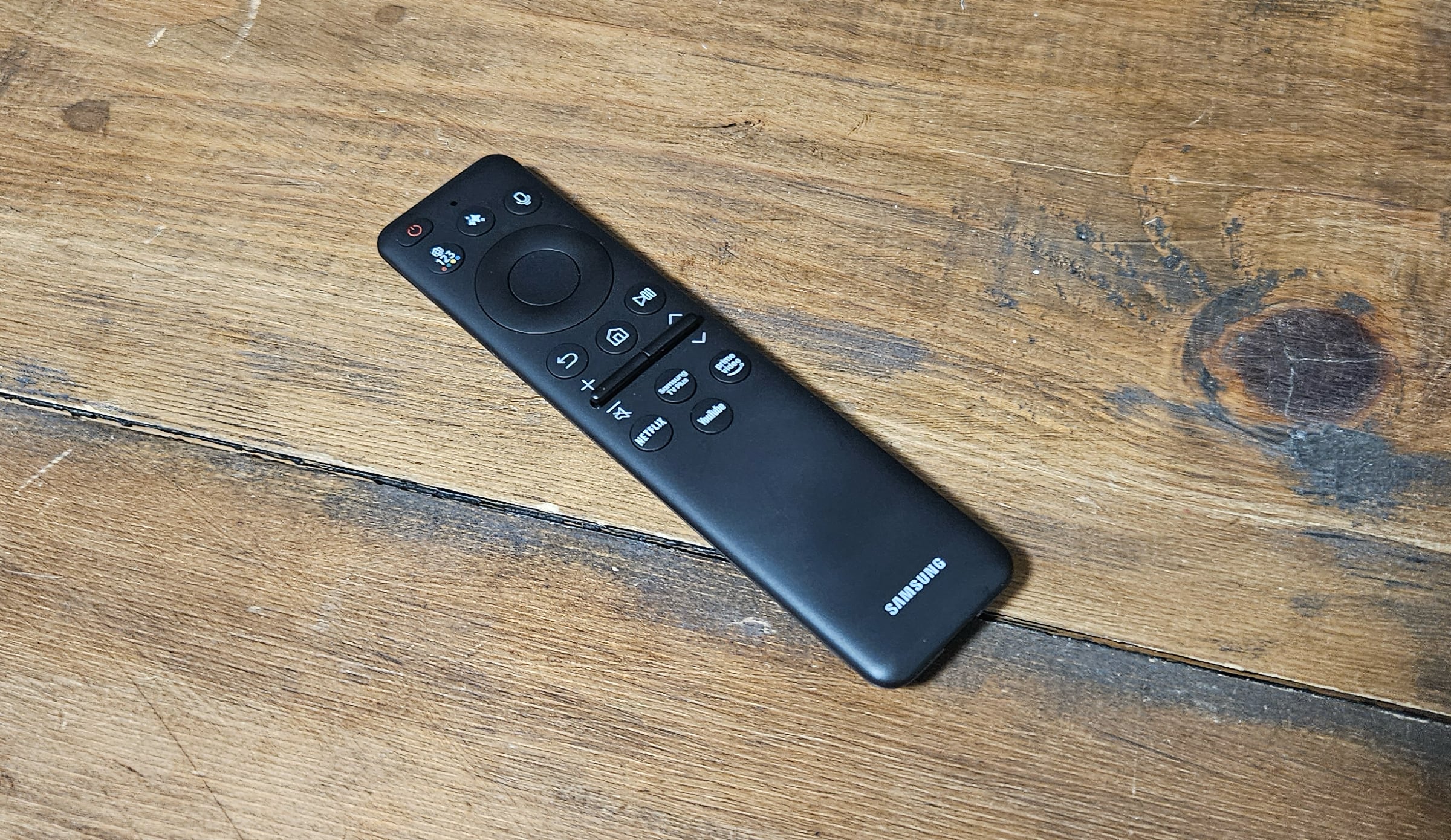
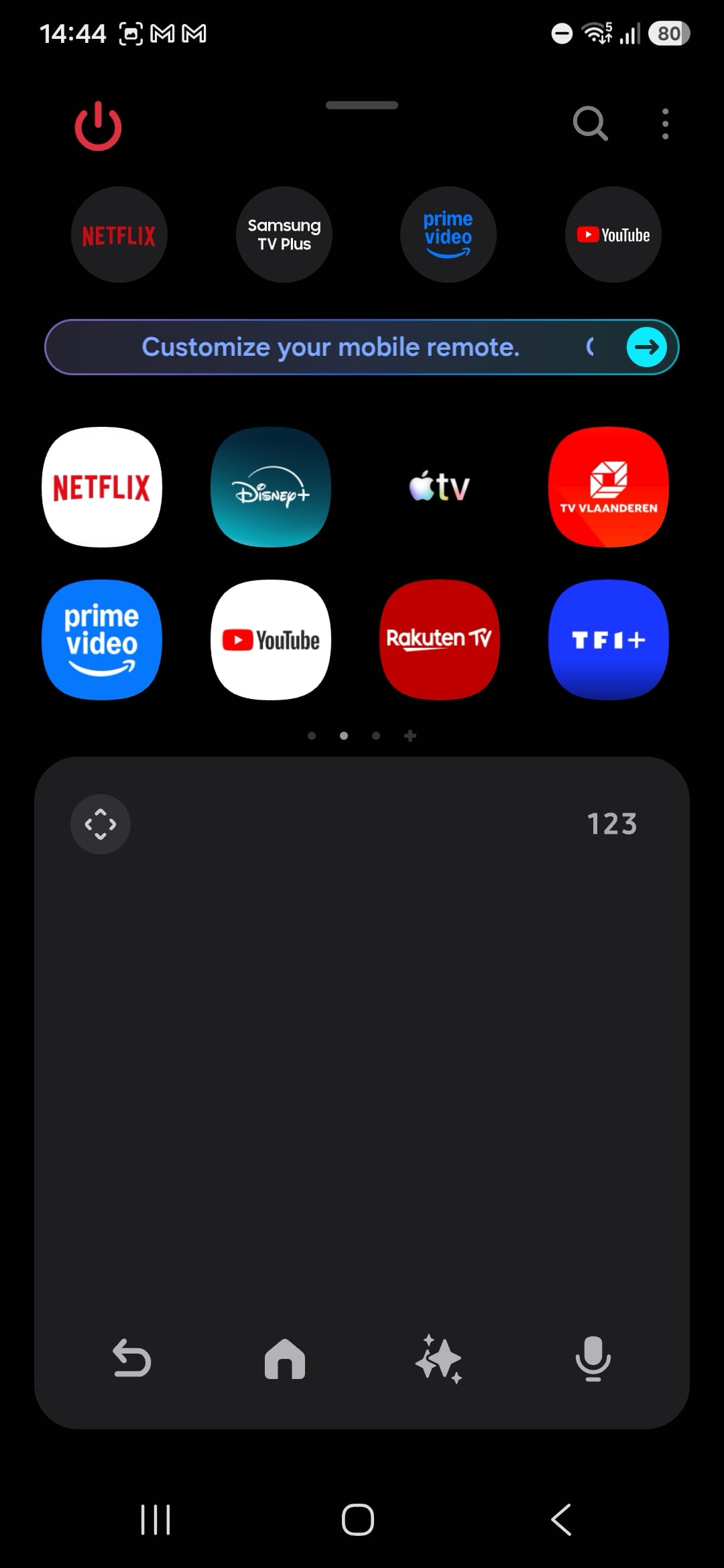
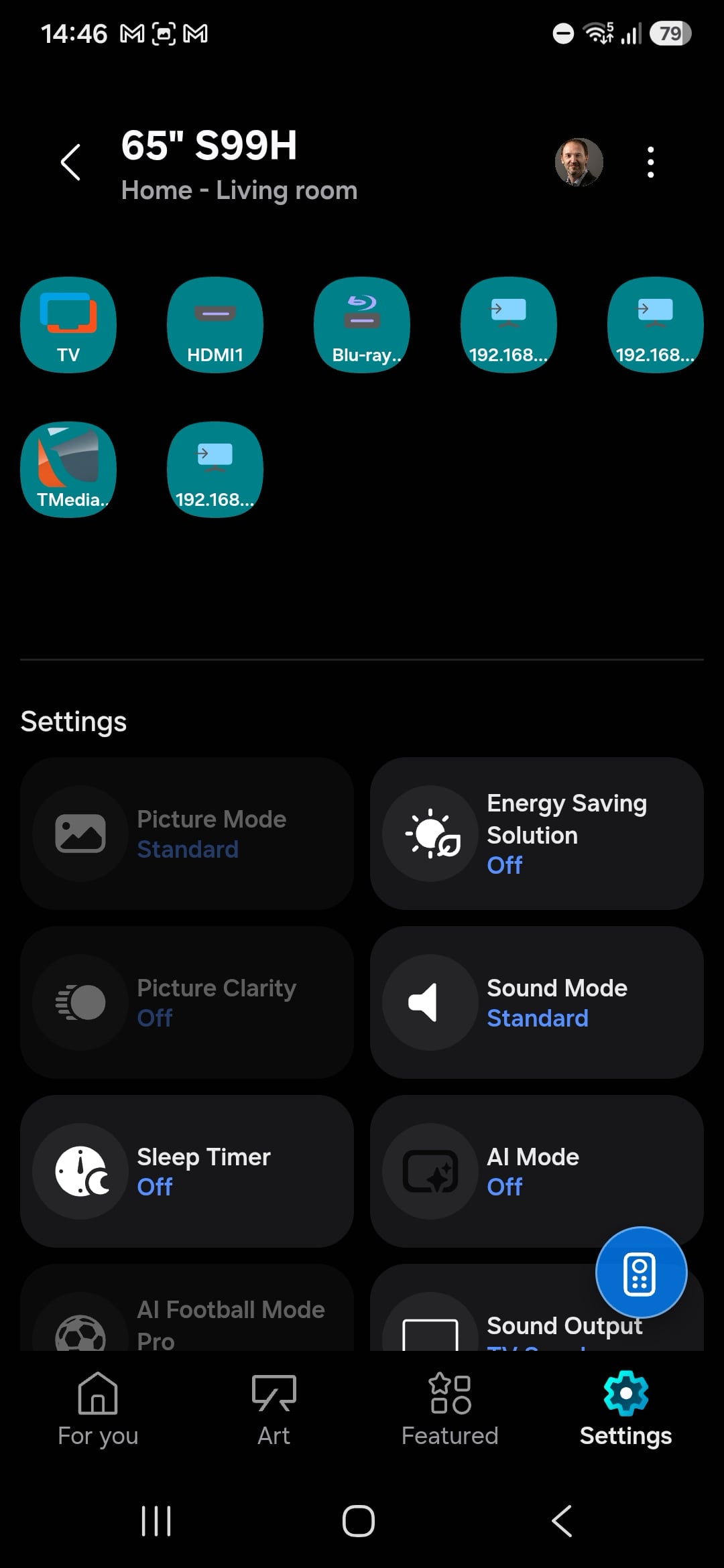
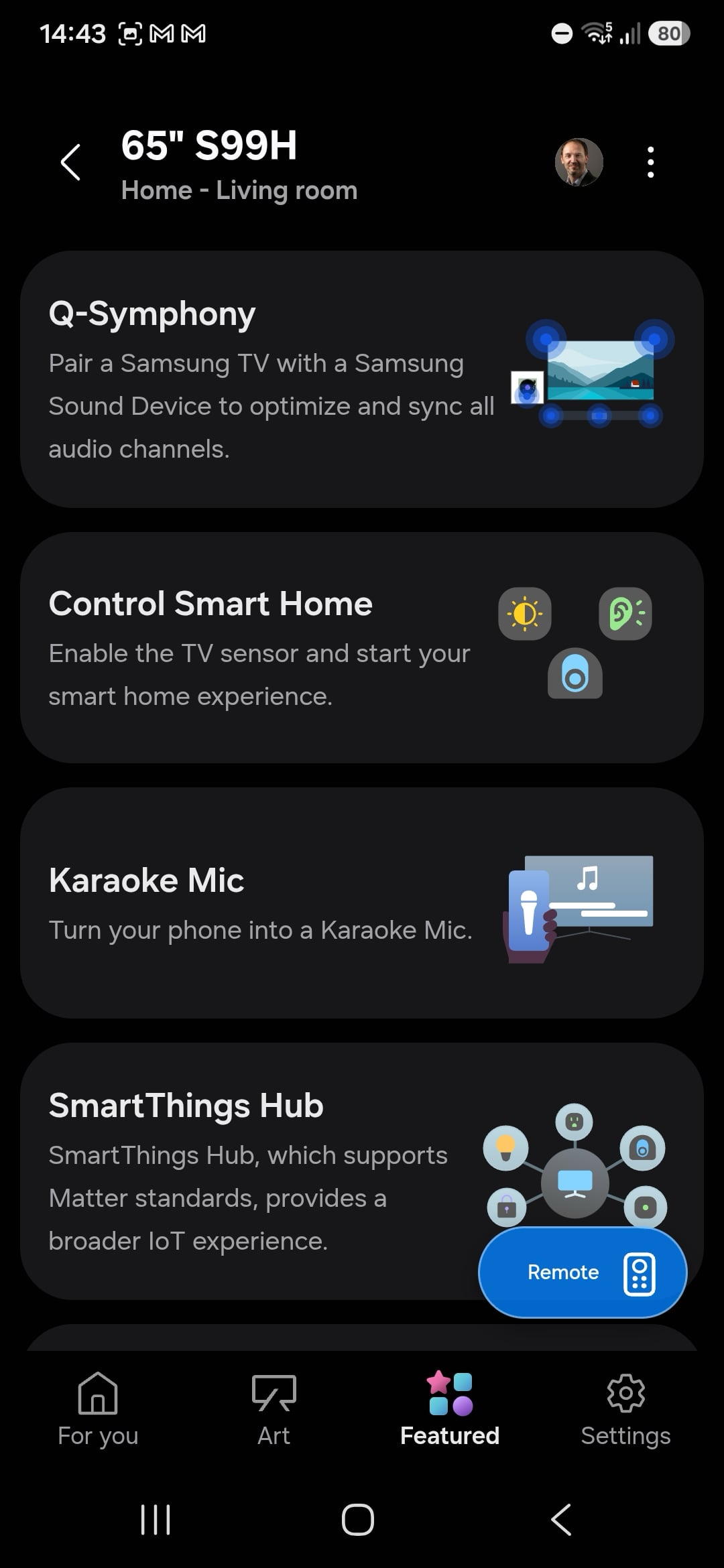
Samsung's remote retains most of the qualities we expect from a modern TV remote and remains one of the better designs, although it would benefit from a nicer choice of materials than plastic, for example metal to match the high-end TV's bezel. It is lightweight, compact and deliberately limited in the number of buttons. That simplicity makes day-to-day use easier, as there are fewer functions to memorize. Integration with the user interface is excellent, resulting in an intuitive overall experience. The buttons have a light but precise click with clear tactile feedback.Another advantage is that there are no disposable batteries to replace. The remote features a rechargeable battery and a small photovoltaic panel on the rear for solar charging. If it does run out of power, USB-C provides a quick charging option. The only hardware change compared to last year's version is the addition of a dedicated button for the Vision AI Companion. Samsung's SmartThings app is also a strong alternative for controlling the TV. Beyond basic operation, the app gives access to Art Mode controls and even allows users to adjust quick settings directly from their phone.Photo: FlatpanelsHDSamsung TVs can also be controlled from the SmartThings app TV audio
S99H/S95H is equipped with a 4.2.2-channel speaker system that ultimately leaves a fairly average impression. One notable aspect is that all speakers are completely concealed within the design, whereas on last year's S95F the drivers were visibly mounted on the rear panel. After running through a selection of Dolby Atmos demo clips and one of our usual Star Wars space battle test scenes, the conclusion was fairly clear. Bass performance is underwhelming and lacks real weight, but the TV compensates with a surprisingly competent stereo presentation and a respectable sense of spaciousness, including some audible height effects. Samsung's processor now introduces Adaptive Sound Pro, where AI processing separates dialog, music and effects into individual layers and lets users adjust their levels independently. In practice, it works well and is particularly useful when music or sound effects in a TV series feel overly dominant. Dialog reproduction remains clean and intelligible and for everyday viewing the TV delivers more than enough output volume. Music playback results vary considerably by genre, our more aggressive metal playlists clearly pushed the TV well beyond its comfort zone. It will come as little surprise that users seeking true home cinema audio should consider an external sound solution. The TV supports Dolby up to Atmos, but not any DTS formats. As with the LG G6, this also means DTS passthrough via eARC is unavailable. If you use DTS sources, they will need to be connected directly to an external audio system. Additionally, Samsung's TVs support wireless speaker connection via WiFi with compatible Samsung speakers. The TV speakers can be used simultaneously via Samsung's 'Q-Symphony' system. It is not an open system so it works only with Samsung speakers.Calibration
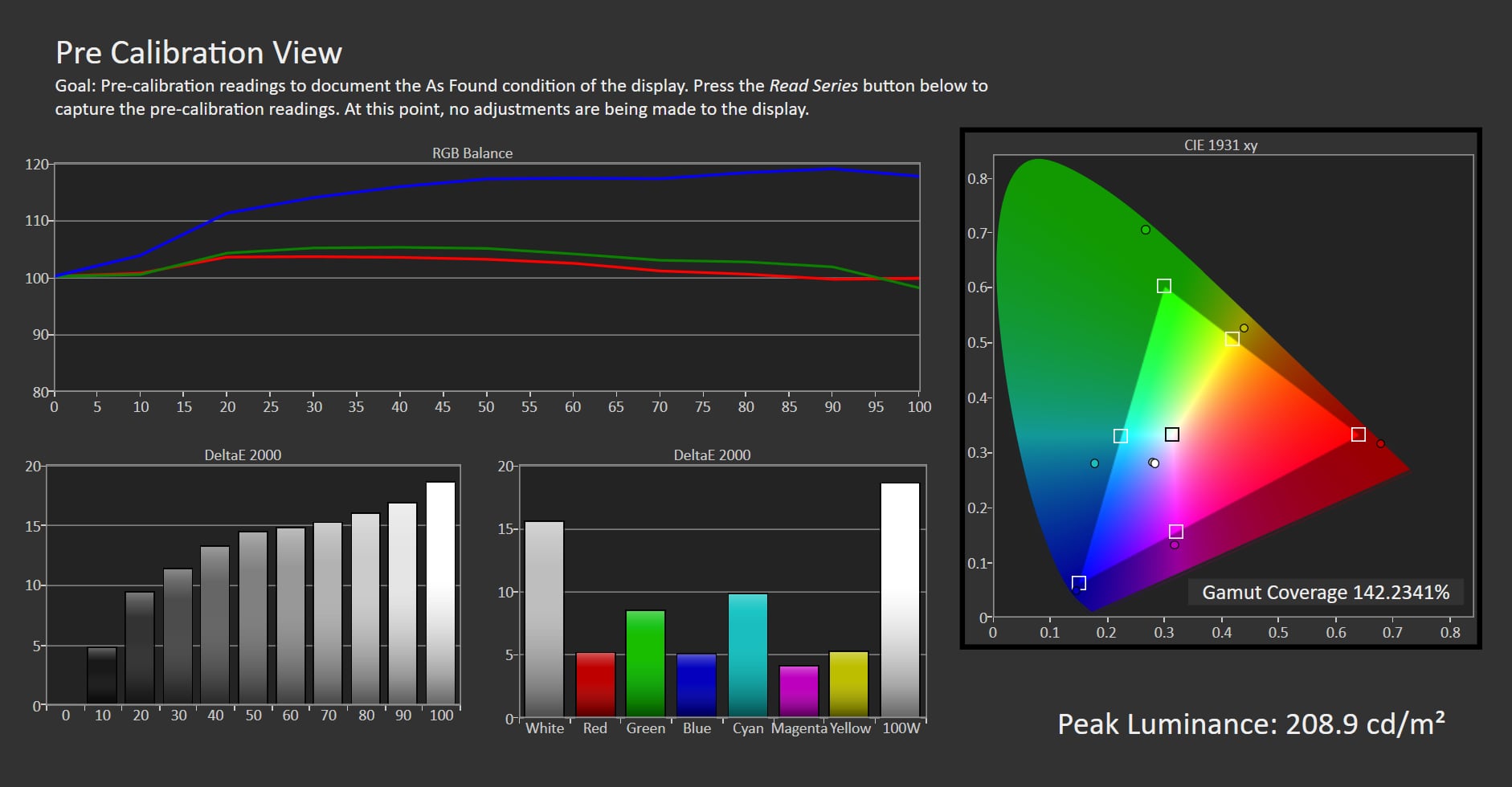
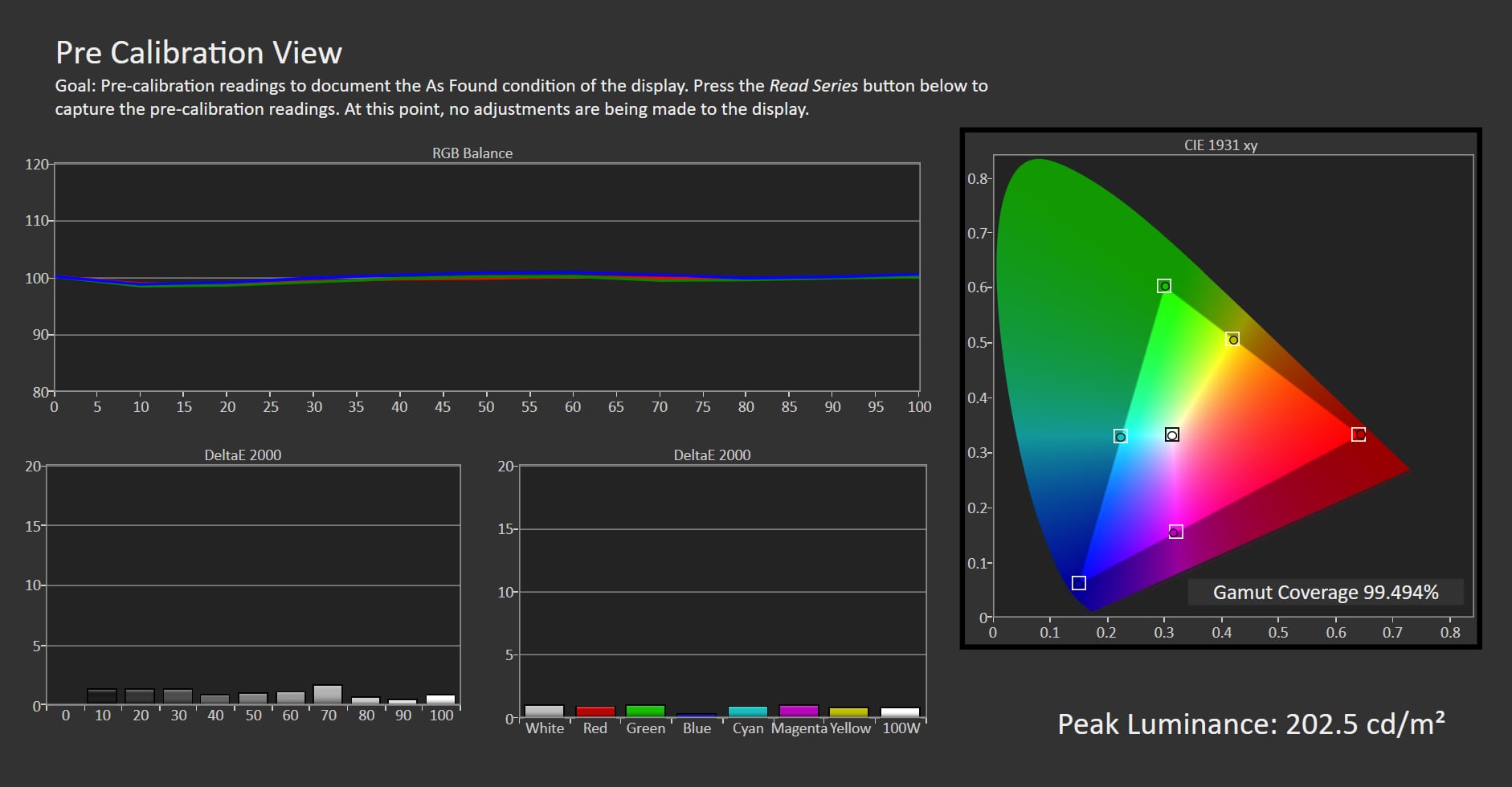
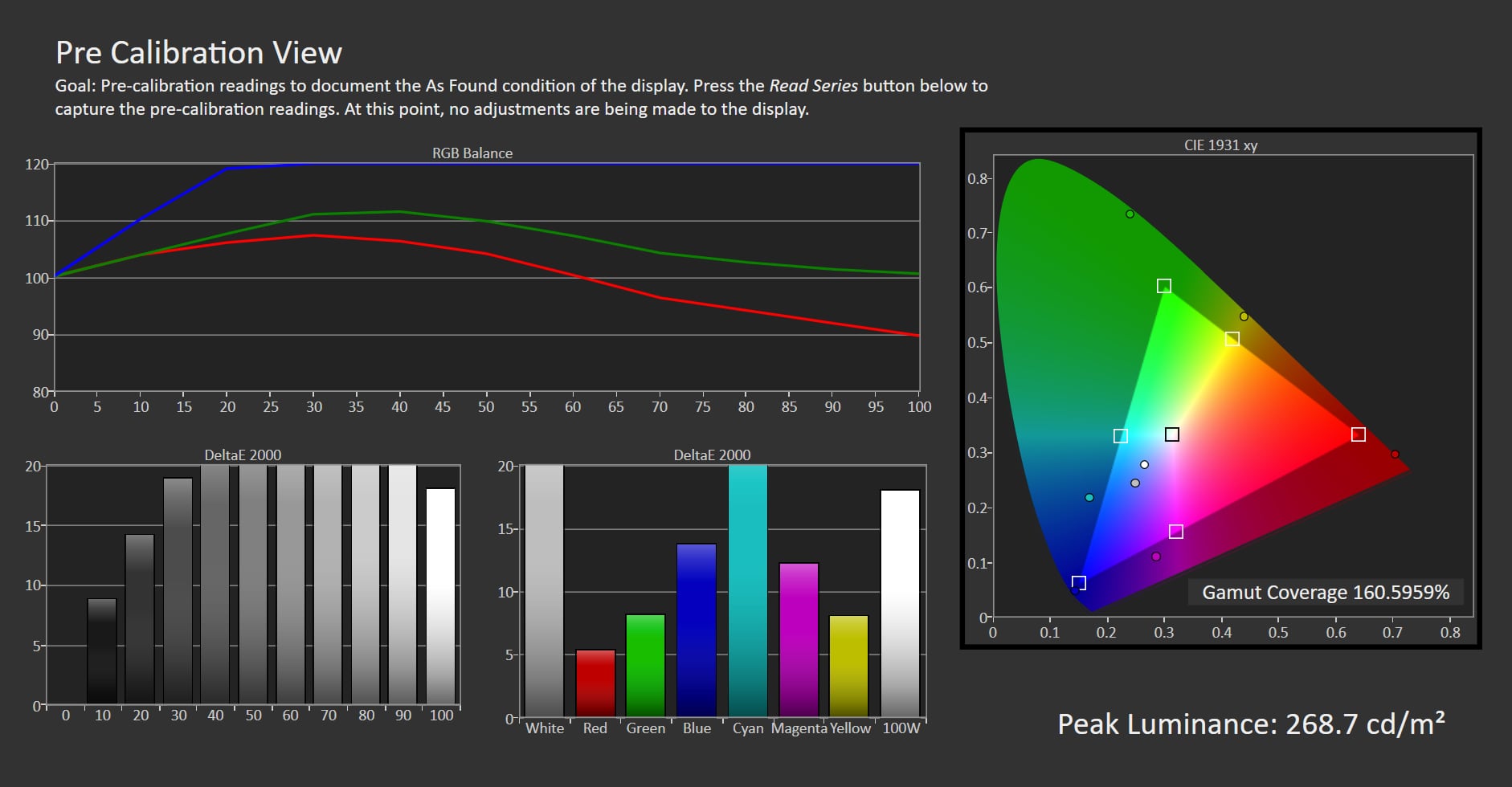
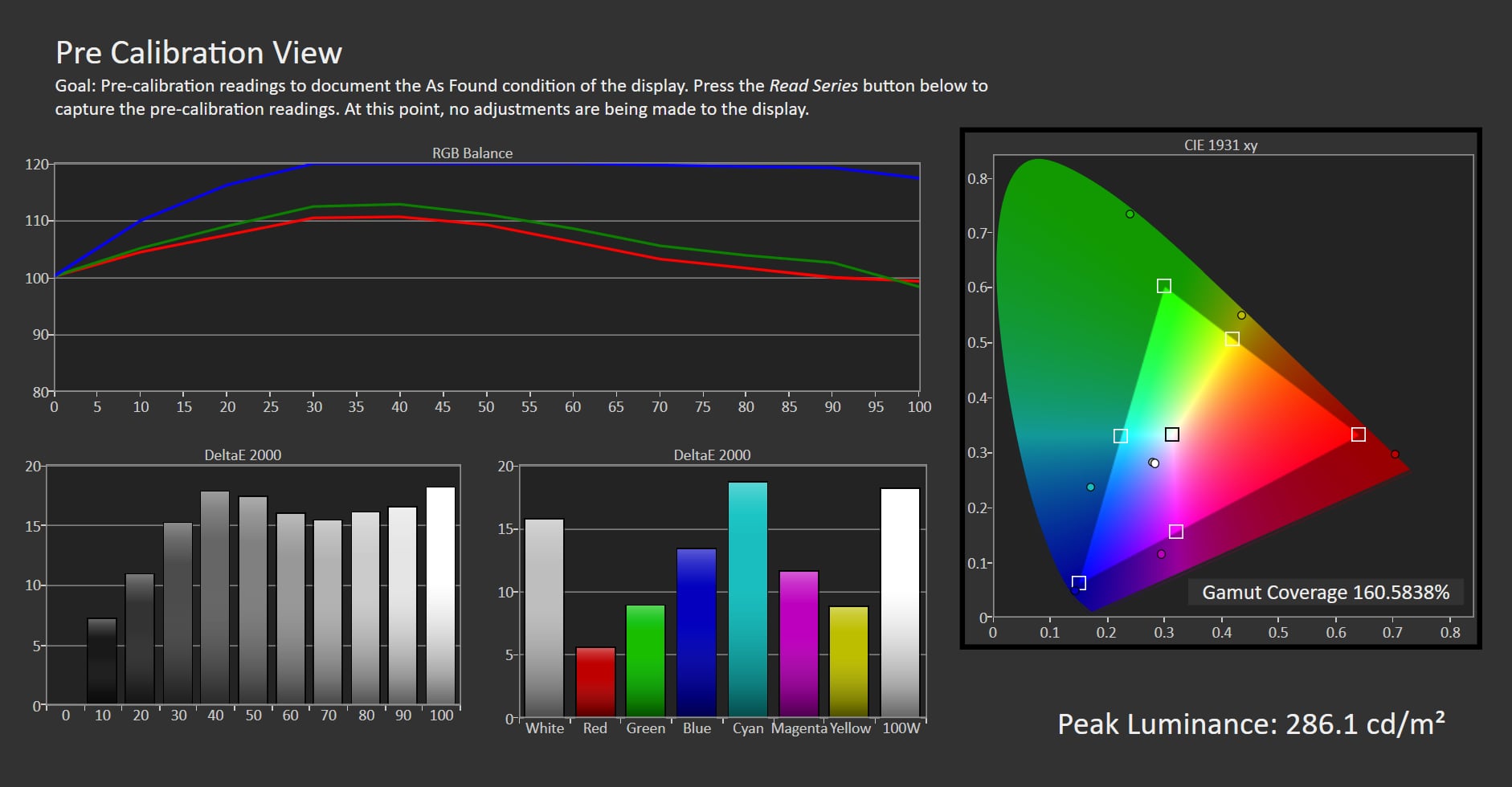
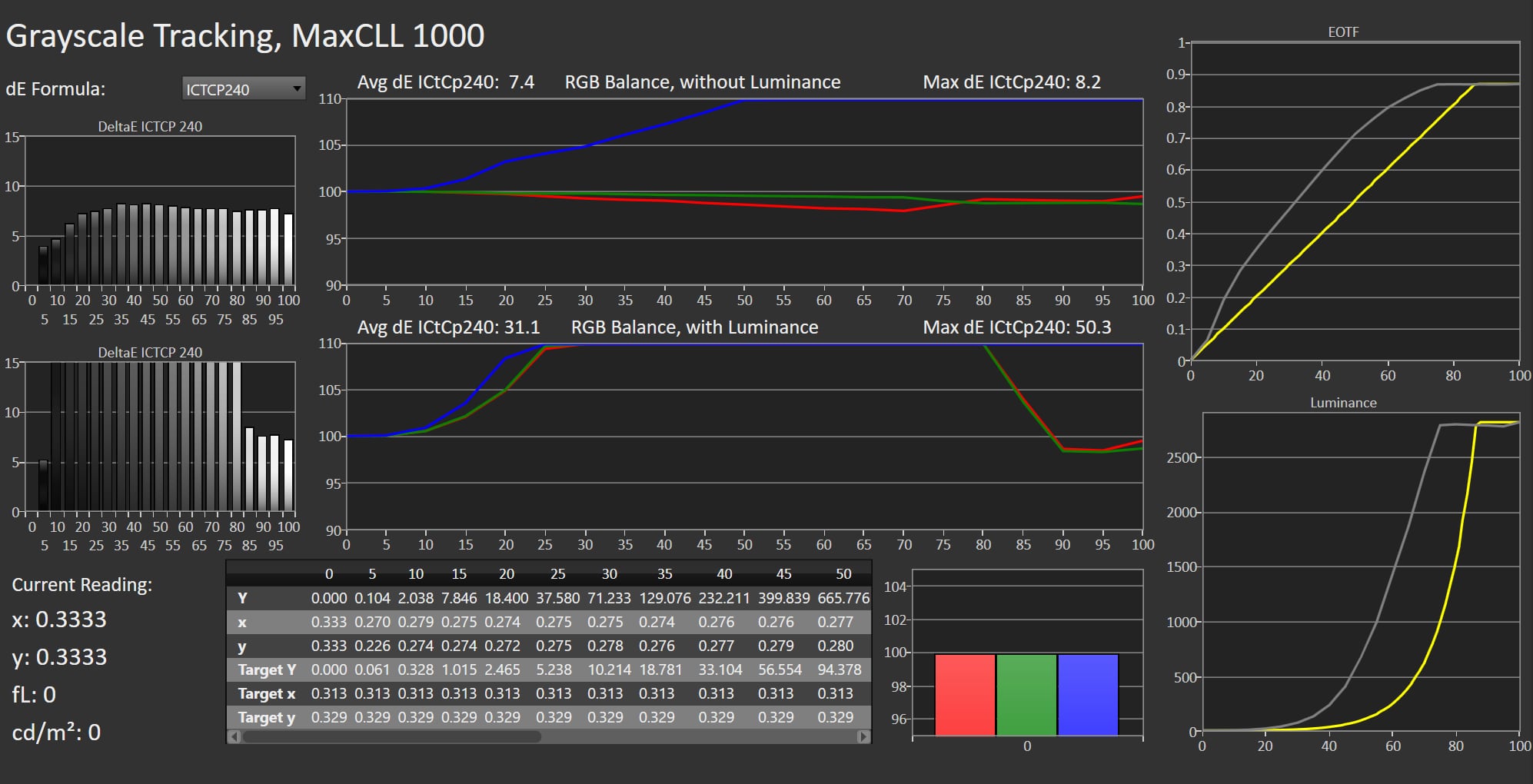
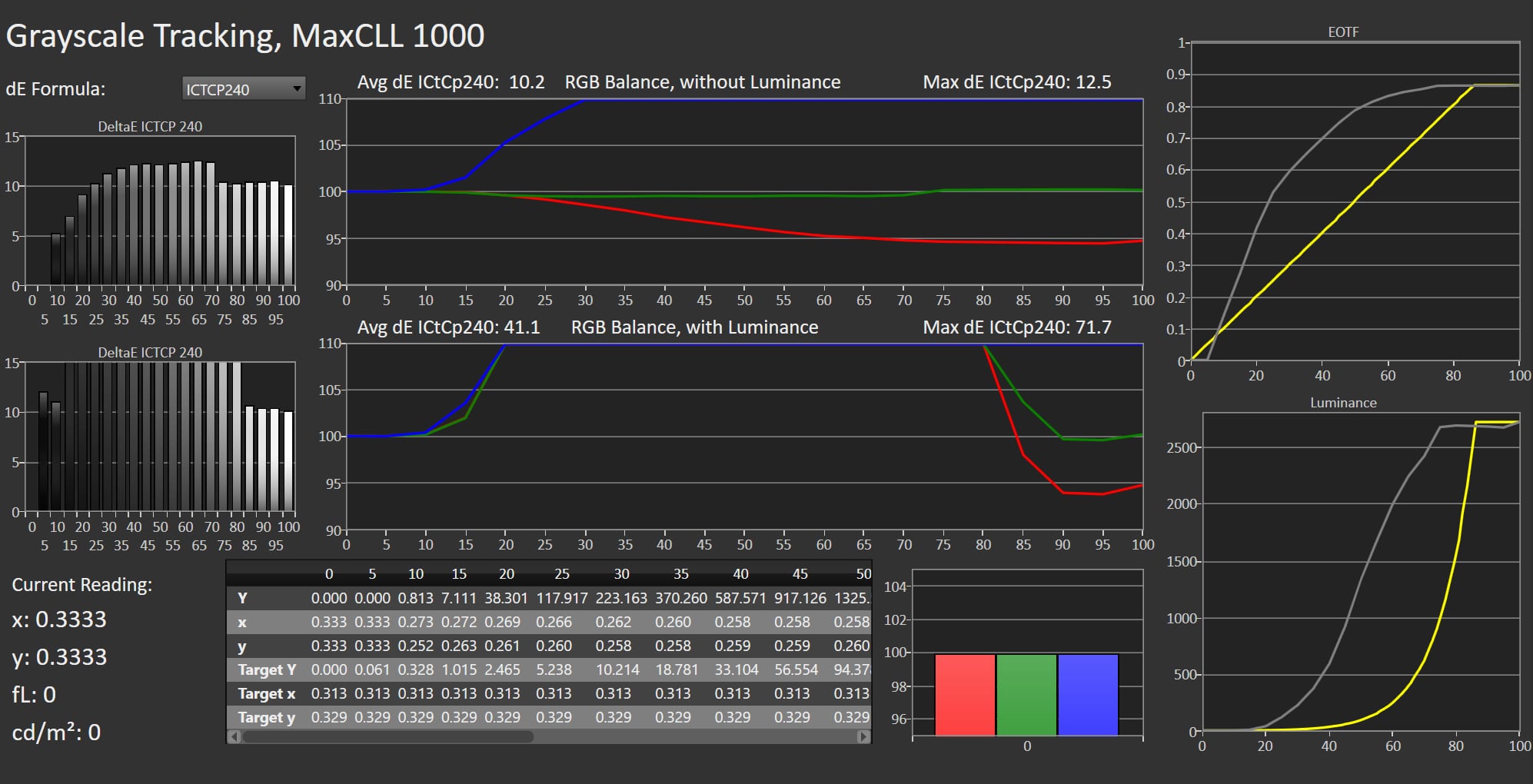
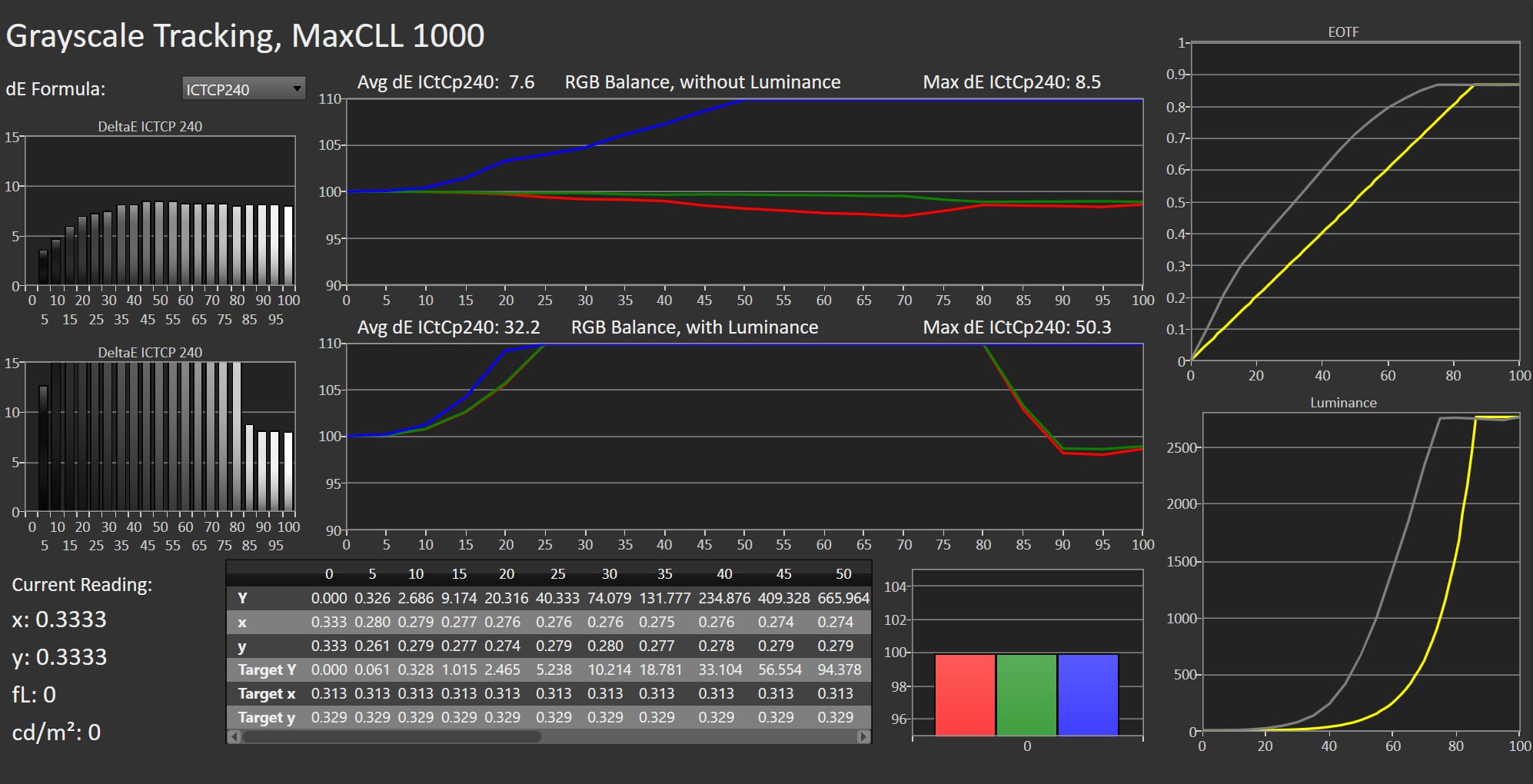
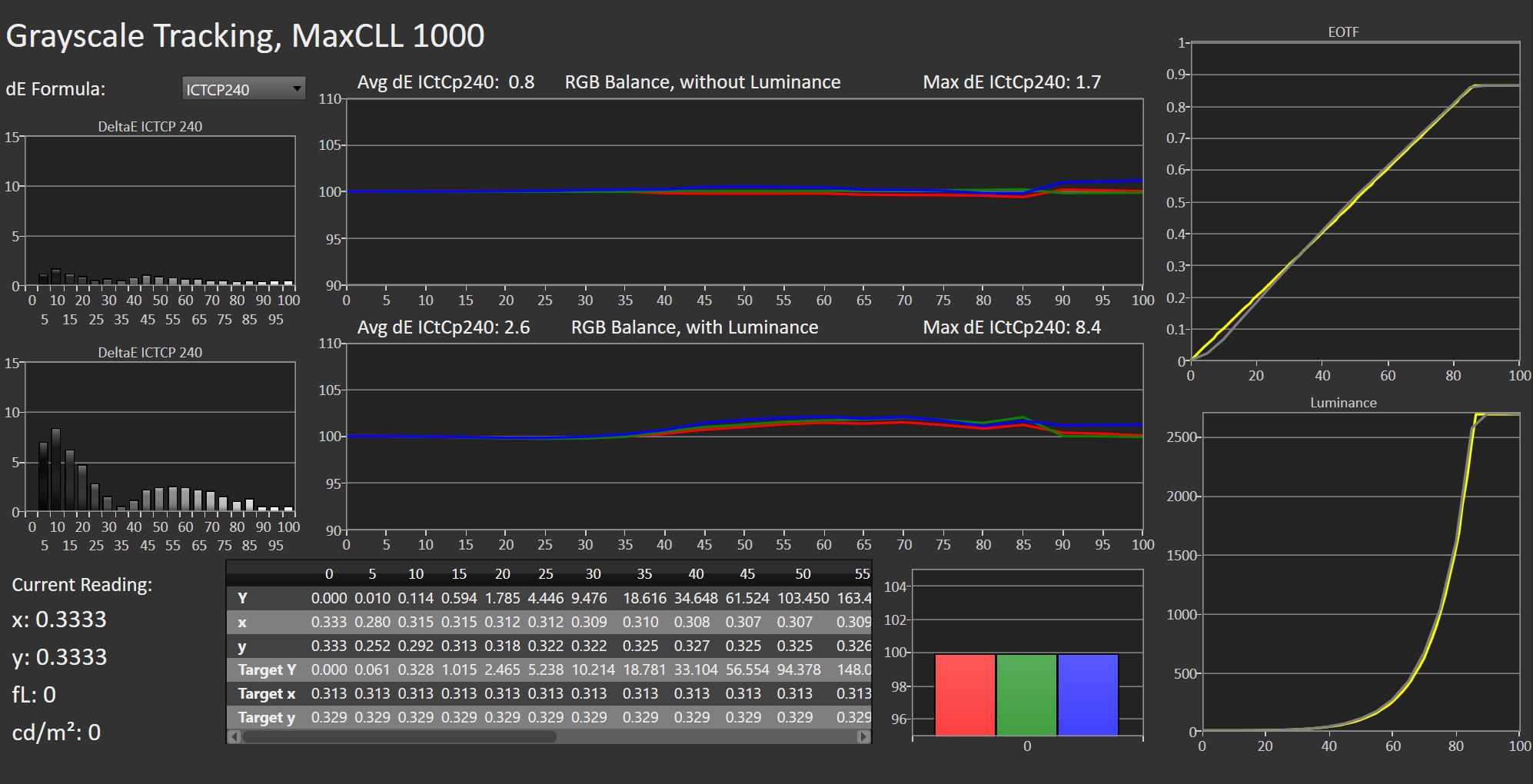
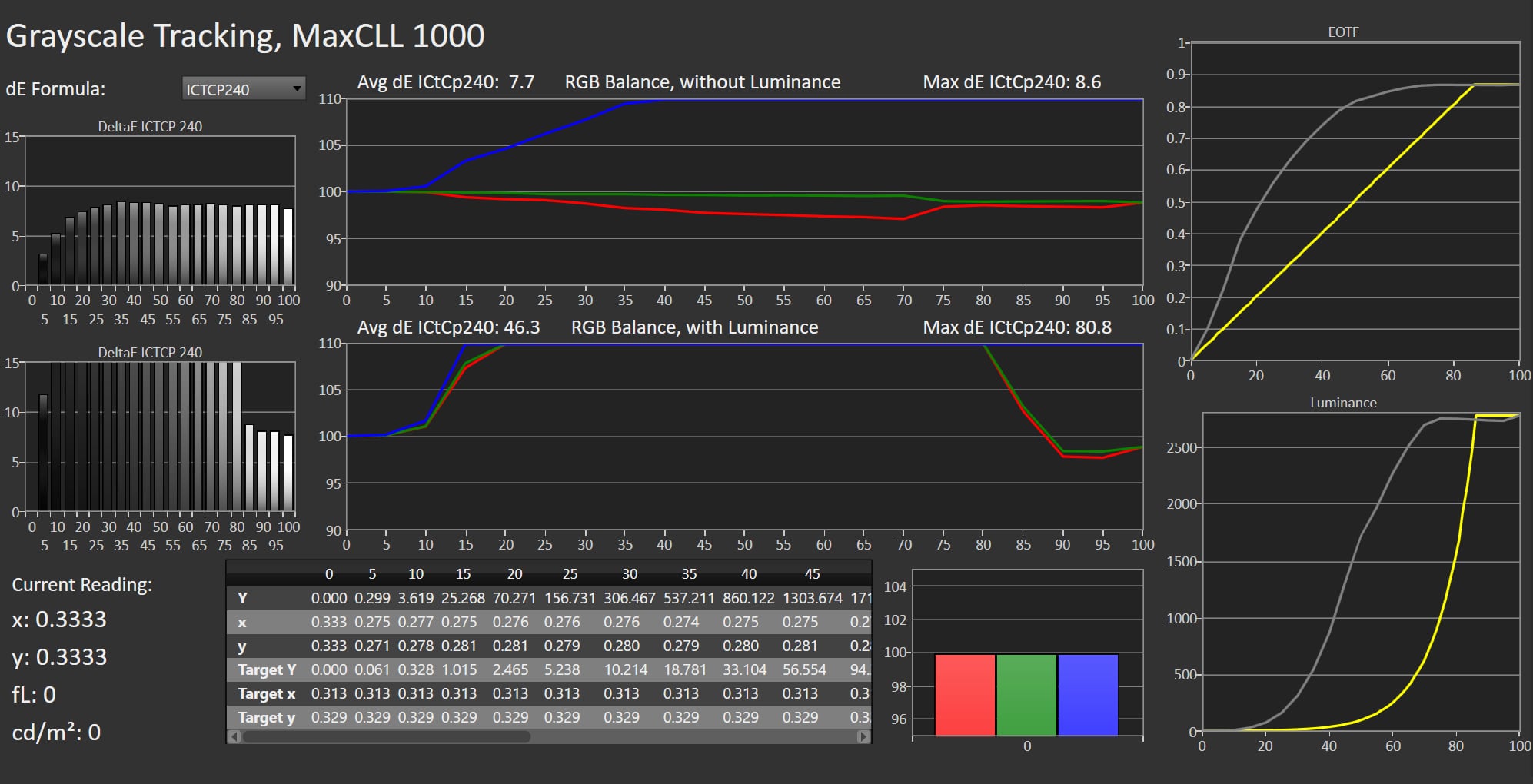
Standard and Eco mode suffer not only from an overly cool color temperature but also noticeably oversaturated colors. In some scenes, additional sharpness processing is clearly visible, introducing unwanted artifacts and giving the image an unnecessarily processed appearance. Filmmaker Mode (and Movie Mode, which uses the same baseline settings with added motion interpolation) performs significantly better. In SDR, color temperature, grayscale tracking and color accuracy are all excellent. The QD-OLED panel does conceal a small amount of shadow detail, making dark scenes appear slightly darker than reference, but never to the extent that too much fine detail is lost. Game Mode, by contrast, is excessively cool and enables virtually every available enhancement to boost contrast and brightness, resulting in a visually aggressive picture mode. There is little justification for this approach, so users looking for a more balanced gaming experience should consider adjusting the settings using Filmmaker Mode as a reference point. HDR10 Filmmaker Mode is where Samsung truly demonstrates the strengths of this display. Peak brightness on a 10% window (and smaller highlights) reaches 2704 nits, around 30% higher than last year's S95F. Full-screen white measured 458 nits, nearly 20% higher than S95F. Compared to LG's latest WOLED, G6, the difference is smaller. LG retains a slight advantage in the smallest highlight windows (2%), reaching 3106 nits, but in practical viewing that is unlikely to be decisive. Color gamut performance remains largely unchanged, which is no criticism, the QD-OLED panel continues to be one of Samsung's strongest advantages. With 83.4% Rec.2020 coverage and full DCI-P3 coverage, S99H/S95H delivers class-leading OLED color performance. The increase in brightness also translates into improved color volume. In that area, Samsung maintains a clearer lead over G6.Measured picture modes
Click the picture mode to expand the view
Standard (SDR) Dynamic (SDR) Filmmake Mode (SDR) Game Mode (SDR) Standard (HDR) Dynamic (HDR) Eco (HDR) Filmmaker (HDR) Game (HDR) Left: Standard. Right: Filmmaker Mode. Photo: FlatpanelsHDMeasurements
In our "measurements" section we include all measurements and our suggested calibration settings. If you want to learn more about our test methodology click here. Note: In 2021, we implemented a new method for measurement of average power consumption in SDR and HDR, meaning that earlier measurements are not 1:1 comparable. The new method will be used in all TV reviews going forward.Note: We include calibration settings only for SDR, not HDR. For our calibration we have deactivated the ambient light sensor that automatically adjusts the backlight setting according to your environment. You may prefer to have it enabled.Picture quality
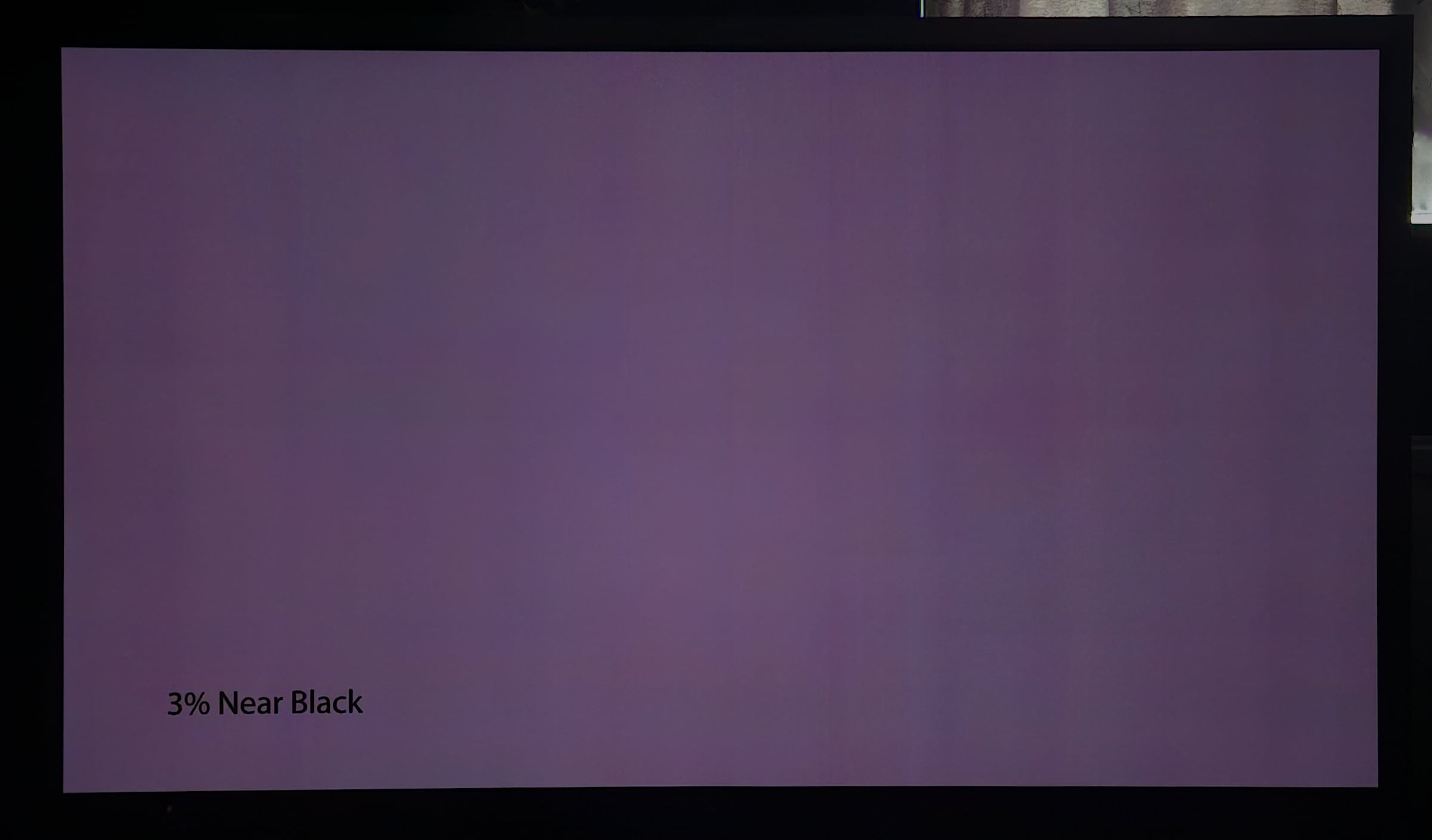
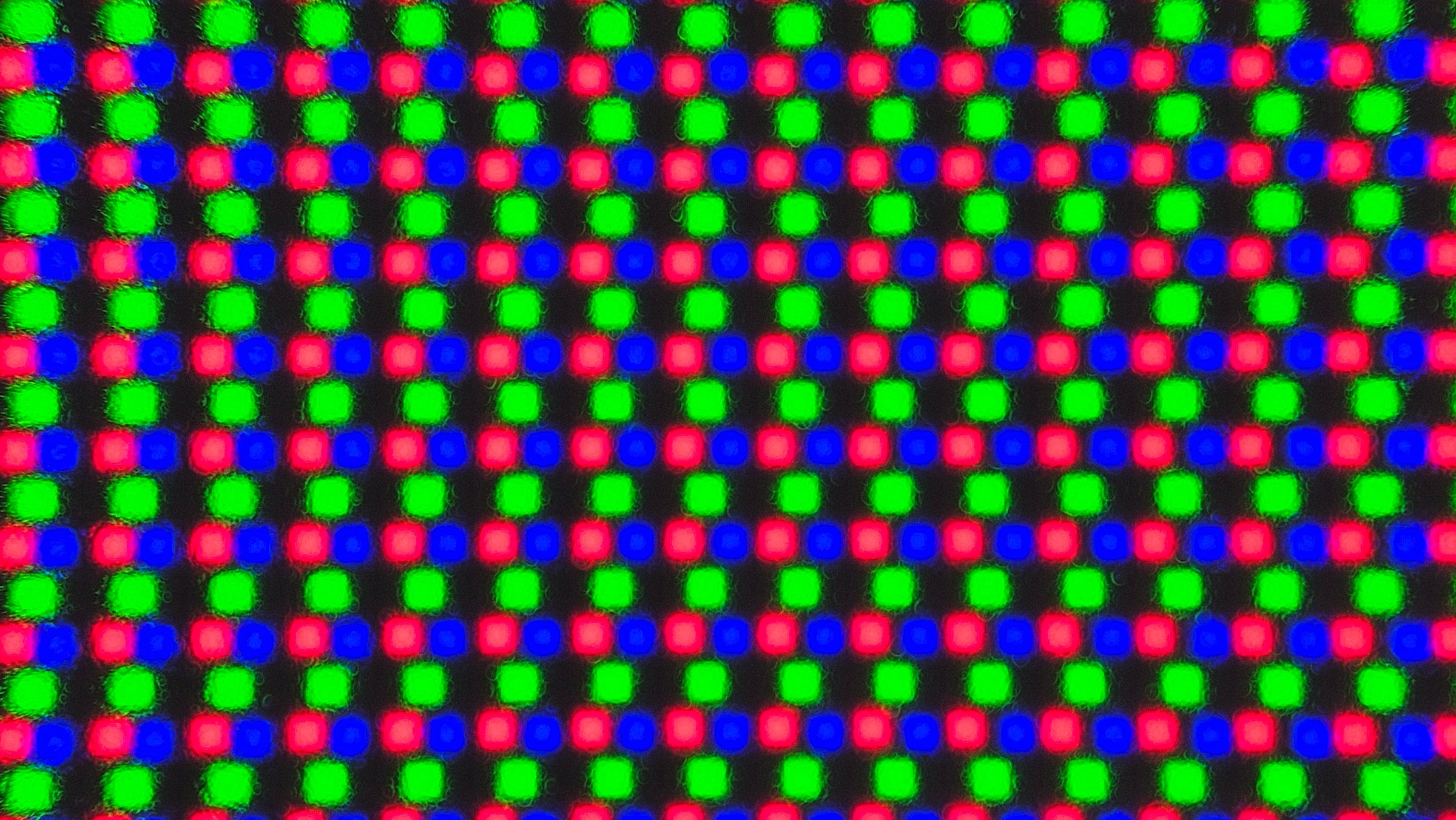
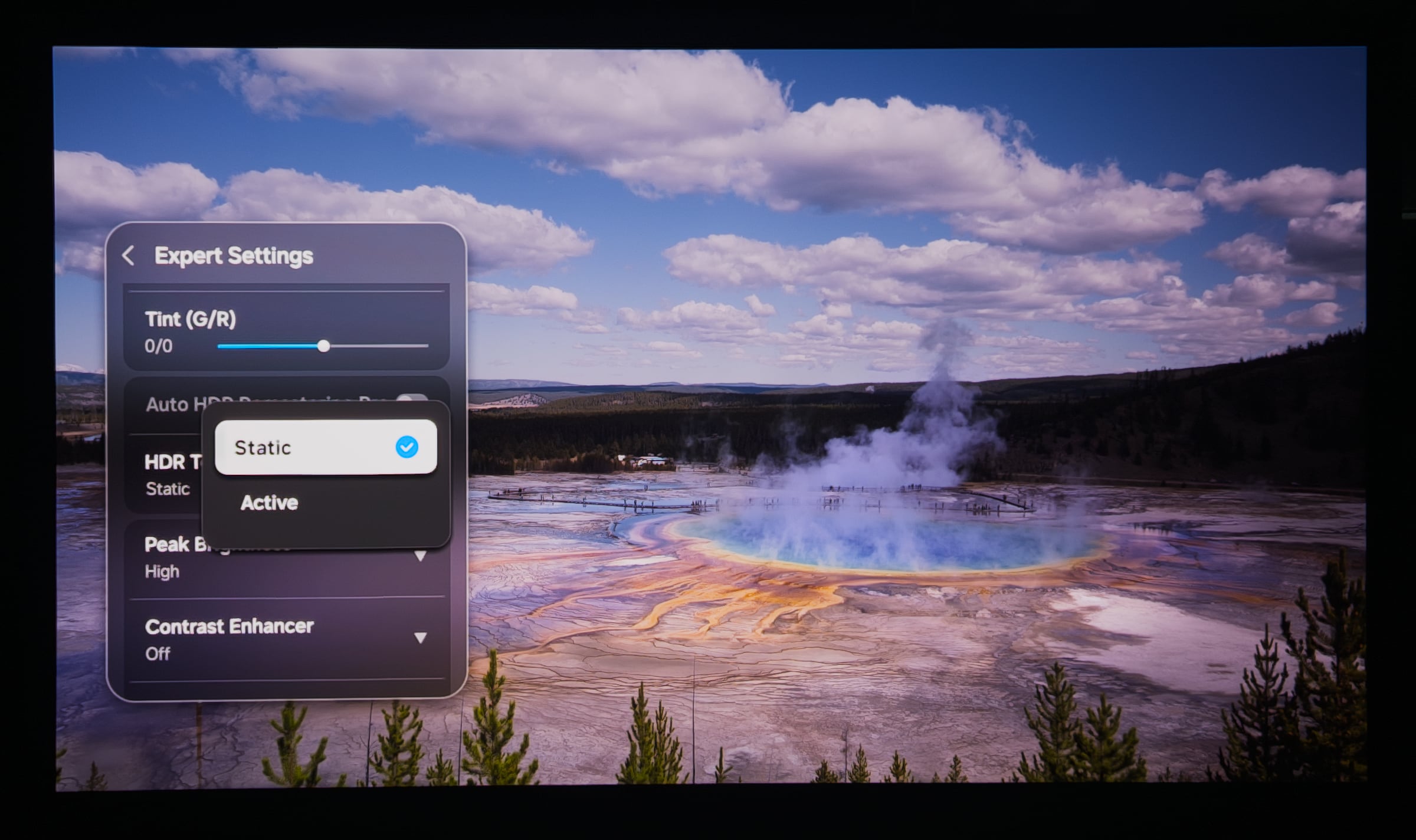
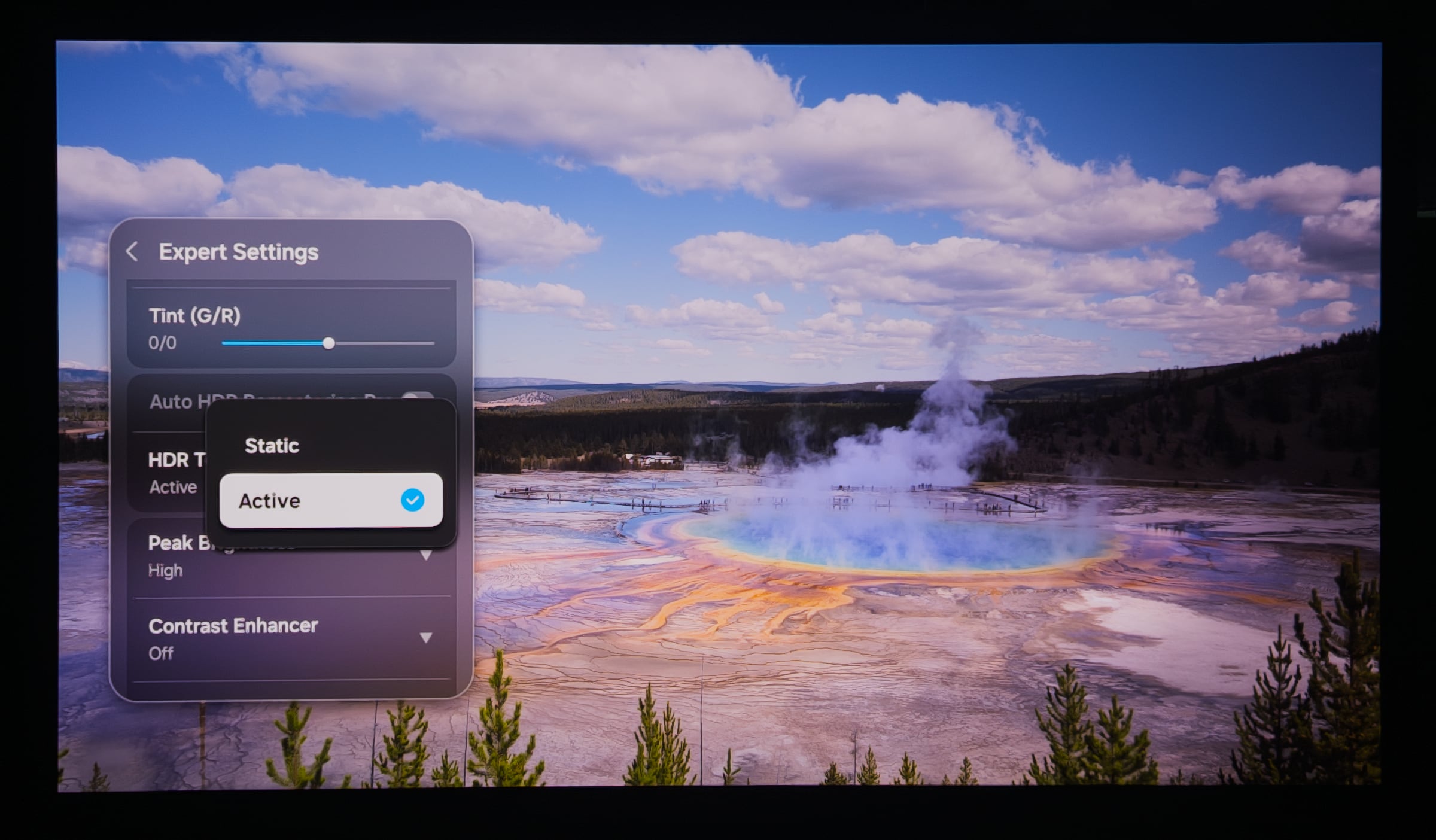
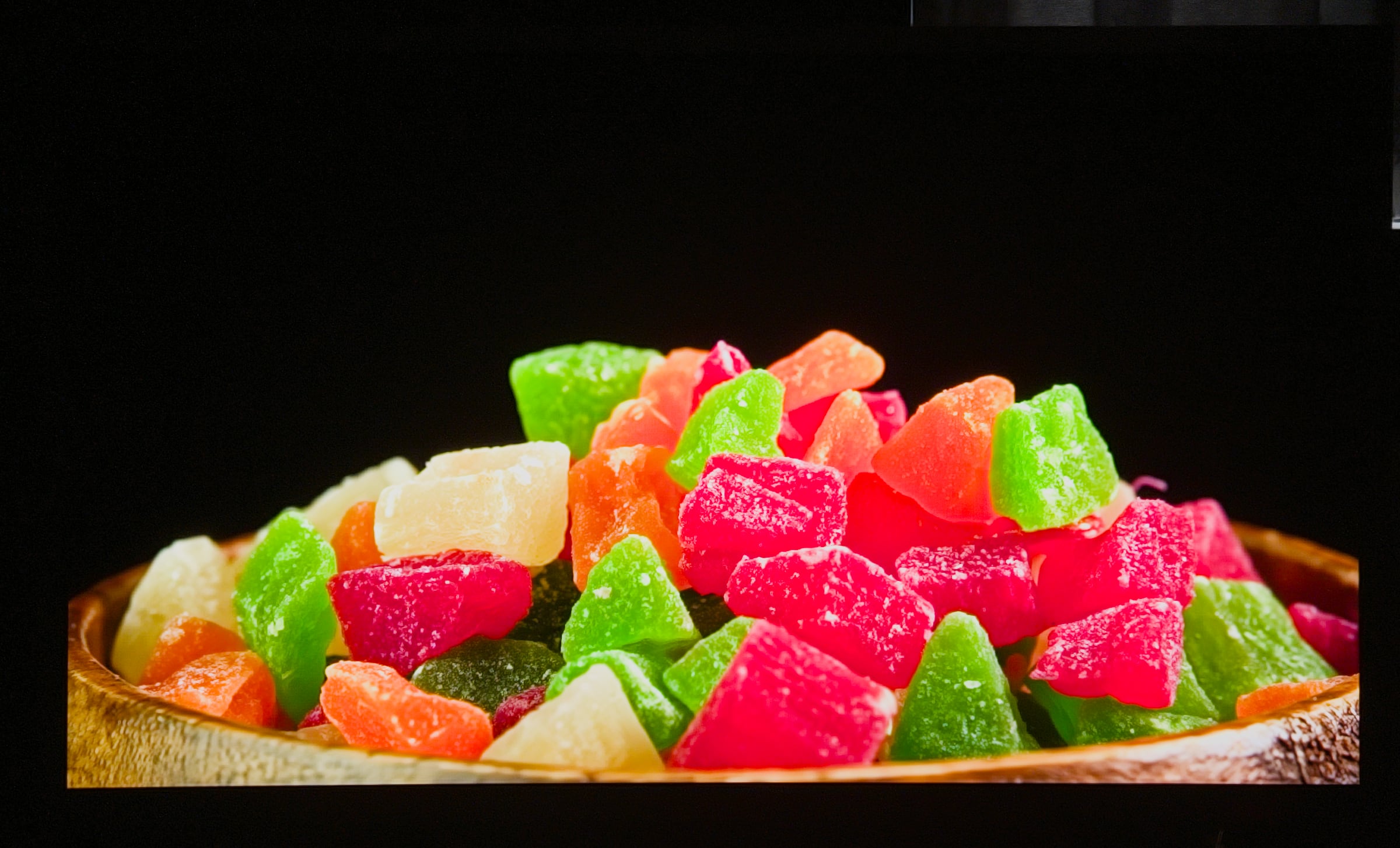
S99H/S95H's most distinctive picture characteristic is neither its QD-OLED panel nor its unconventional Floatlayer design, but the glare-free matte screen coating. It does an excellent job of eliminating the distraction caused by sharply defined reflections. Small and diffuse reflections almost disappear entirely, while larger reflections are dimmed and spread out effectively. There is a trade-off. The matte finish inevitably costs a little native contrast due to the diffuse handling of ambient light and QD-OLED panels also tend to lose some contrast in brightly lit environments. However, the combination of the matte surface and the substantial brightness improvement which makes the TV far less dependent on aggressive ABL (Average Brightness Limiter) behavior, turns S99H/S95H into a very capable display for challenging environments such as bright living rooms with difficult placement and unavoidable reflections. Importantly, once the room lights are dimmed, the matte coating has no visible downside. We spent time with vibrant wildlife footage and dark sequences from the thriller Apex and indulged in the chaotic superhero satire of The Boys. We also used a World Cup football broadcast as a real-world stress test. Across all content types, the TV performed impressively. Football broadcasts delivered a vivid, stadium-like sense of brightness and color, while the cave sequences in Apex preserved their dark and oppressive atmosphere without sacrificing detail.The panel offers an exceptionally wide viewing angle and excellent uniformity in bright scenes, something particularly noticeable during sports content. A dark test slide revealed some faint vertical banding, but it never became visible in actual viewing. Samsung's NQ4 AI Gen 3 processor already appeared in last year's S95F and continues to deliver excellent overall performance. Noise reduction is highly effective and upscaling produces clean, detailed images. We recommend restraint with the sharpness control, however, as it can become overly aggressive and expose compression artifacts, especially with DVD content.Panel uniformity is not perfect but still excellent and we never noticed any issuesThe noise reduction system is also effective at minimizing banding issues. Even in our notoriously difficult low-bitrate Game of Thrones test material, banding remained well controlled. In HDR content, subtle gradients are rendered with almost no visible artifacts. The World Cup also provided an ideal opportunity to evaluate motion performance. Thanks to the panel's near-instant response time, moving objects remain sharply defined, while Samsung's motion interpolation delivers smooth action with minimal artifacts. For movies, we still prefer applying a small amount of interpolation to reduce the most obvious judder without introducing an artificial look. Also read: Why 24fps is not enough for HDR movies Gamers can push S99H/S95H up to 4K at 165Hz although naturally only from a PC source, consoles are limited to 4K120 and the TV supports ALLM and VRR, including Nvidia G-Sync and AMD FreeSync compatibility. Input lag performance is excellent: 10.7ms at 4K60 and just 5.7ms at 120Hz. In default Filmmaker Mode, however, input lag increases to 79ms at 4K60. Beyond low input lag, Samsung includes several gaming-focused extras, including minimap zoom and support for ultrawide 21:9 gaming for PC users. However, as mentioned in the calibration section, the Game picture mode has terrible picture accuracy so you need to adjust things.S99H/S95H suffers no noteworthy issues with bandingPhoto: FlatpanelsHDSince the first QD-OLED TV panel, Samsung Display has refined the pixel structure, but it is still triangular, which can lead to color fringing around, for example, white text on a black background, such as subtitles. Personally, I do not see it from a normal viewing distance, but others do. Any hope that Samsung will eventually adopt Dolby Vision increasingly appears unrealistic. HDR10, HLG and HDR10+ remain the available HDR formats. Based on the results in HDR10 Filmmaker Mode, however, that is not a meaningful limitation for S99H/S95H. Calibration quality is excellent, with clean grayscale performance and accurate PQ EOTF tracking. As in SDR, some shadow detail is slightly compressed, but testing with the notoriously dark beach sequence from House of the Dragon showed that the TV still reproduces subtle dark tones convincingly. Users wanting a little more visibility in darker scenes can adjust the Shadow Detail setting. Color reproduction is highly accurate overall, with our only reservation being that very deep reds appear slightly undersaturated. Static tone mapping preserves an impressive amount of highlight detail. Dynamic tone mapping, on the other hand, pushes brightness too aggressively and can reduce overall image impact. Unless you are viewing in a particularly bright environment, we would recommend sticking with static tone mapping.The QD-OLED panel's triangular pixel structureLeft: Static tonemapping. Right: Dynamic tonemapping Conclusion
Is it an art frame or a flagship TV? Samsung's answer appears to be: why not both? With S99H (Europe) and S95H (America), Samsung introduces a design unlike anything we have seen from the company in years. The bold aluminum frame and display that appears to float in front of it turn this TV into more of a statement piece when mounted on a wall.Ad:Since embracing OLED, Samsung has steadily refined QD-OLED, now with 30% higher brightness, resulting in outstanding color volume while reducing the need for aggressive ABL intervention. HDR10 performance is excellent, combining strong contrast, impactful highlights and accurate color reproduction to the point where the absence of Dolby Vision becomes surprisingly easy to overlook. SDR performance is equally convincing and remains highly natural. The QD-OLED panel occasionally suppresses a small amount of shadow detail but avoids the visible near-black flickering that can affect some OLED displays, allowing dark gradients to remain stable and clean. Add the matte coating to the equation and S99H/S95H becomes exceptionally well suited to real-world environments, especially bright living rooms or setups where reflections cannot easily be avoided, even if it comes at the cost of slightly reduced contrast and raised blacks. Gamers are well served with four 48Gbps HDMI 2.1 ports plus for VRR, ALLM and up to 4K 165Hz. There is an optional Wireless One Connect solution, but it introduces additional input lag versus the TV's onboard HDMI ports. Samsung has also added QMS. Tizen is one of the most feature-rich smart TV ecosystems, with support for Apple AirPlay 2, Google Cast and additional features such as Art Store, Smart Hub and Now Brief. Samsung has also embraced the industry-wide push toward AI functionality, but whether these additions provide lasting value remains questionable. The revised One UI layout in Tizen presents things in a clear and more intuitive way than before, but Samsung's push into ads is a significant concern for us. S99H / S95H is an excellent all-round TV that competes directly with TVs such as LG G6, Sony Bravia 8 II and Philips OLED911, plus renewed competition from RGB LED-based LCD TVs this year. Its excellent picture quality makes it equally compelling for sports, gaming and movies. With continued refinement of QD-OLED, we think it deserves our Highly Recommended Award. The design, however, is likely to divide opinion.Price and retailers:
US retailer
UK retailer
DE retailerExcellent peak brightness (2700 nits) Beautiful SDR & HDR with pre-calibrated picture modes 4x HDMI 2.1 ports & QMS Tizen receives updates for 7 years
Matte QD-OLED suffers raised blacks in ambient light No Dolby Vision, no DTS Dynamic tone-mapping overbrightens content Ads in Tizen