Review: TCL C8L / QM8L
C8L in Europe, or QM8L in the US, succeeds lsat year's C8K / QM8K as TCL's affordable high-end miniLED LCD TV, now with improved "super" quantum dots (SQD) and miniLED for improved color and brightness, the newer Pentonic 800 chip with four HDMI 2.1 ports, still Google TV, and Dolby Vision 2 Max pending a firmware update later this year. It is available in 55 to 98 inches. We have tested the 65-inch version. Also read: TCL 2026 TV lineup (with TV compare tool)Price and retailers:
US retailerUK retailerDE retailerFirst impressions
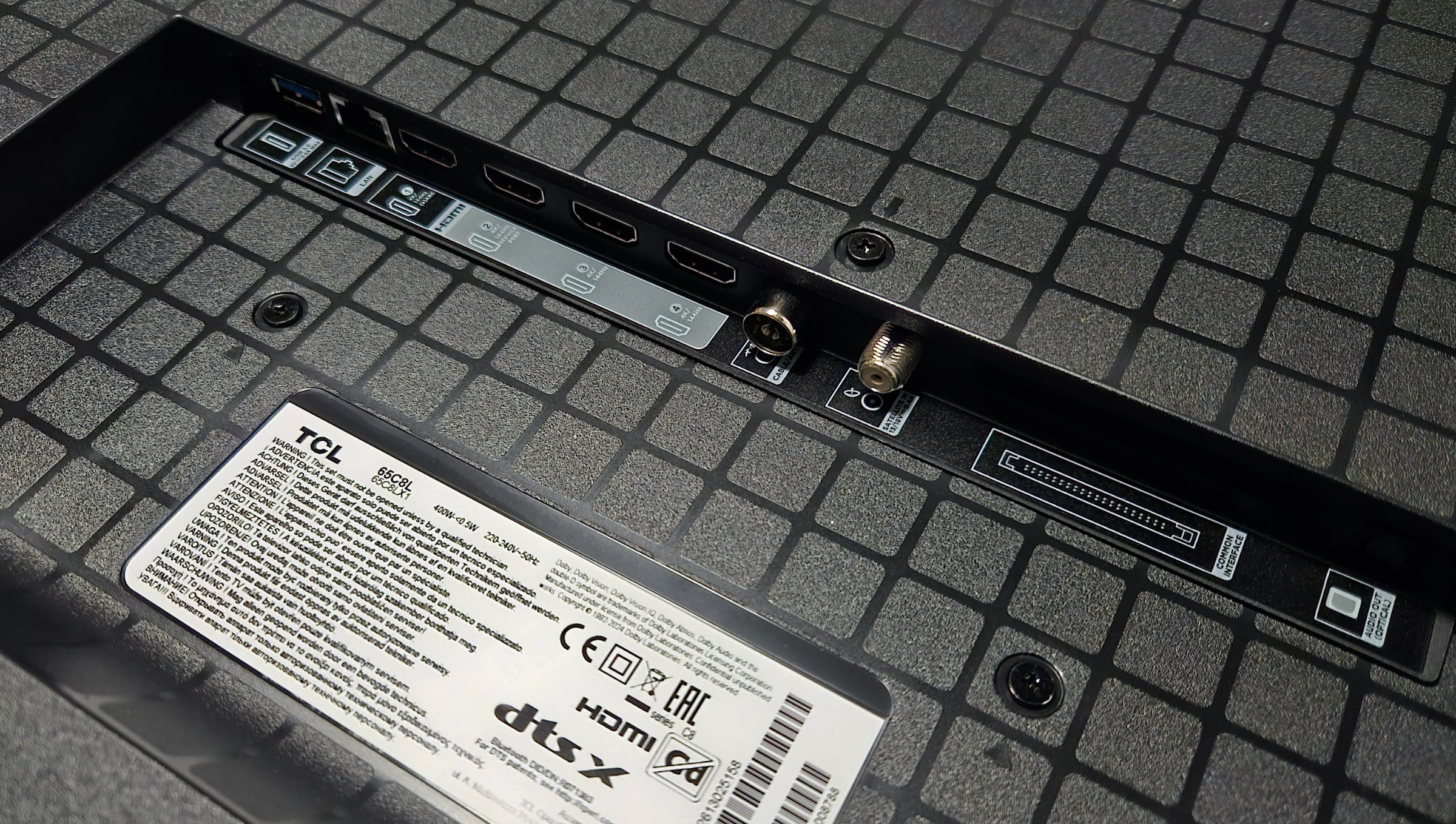
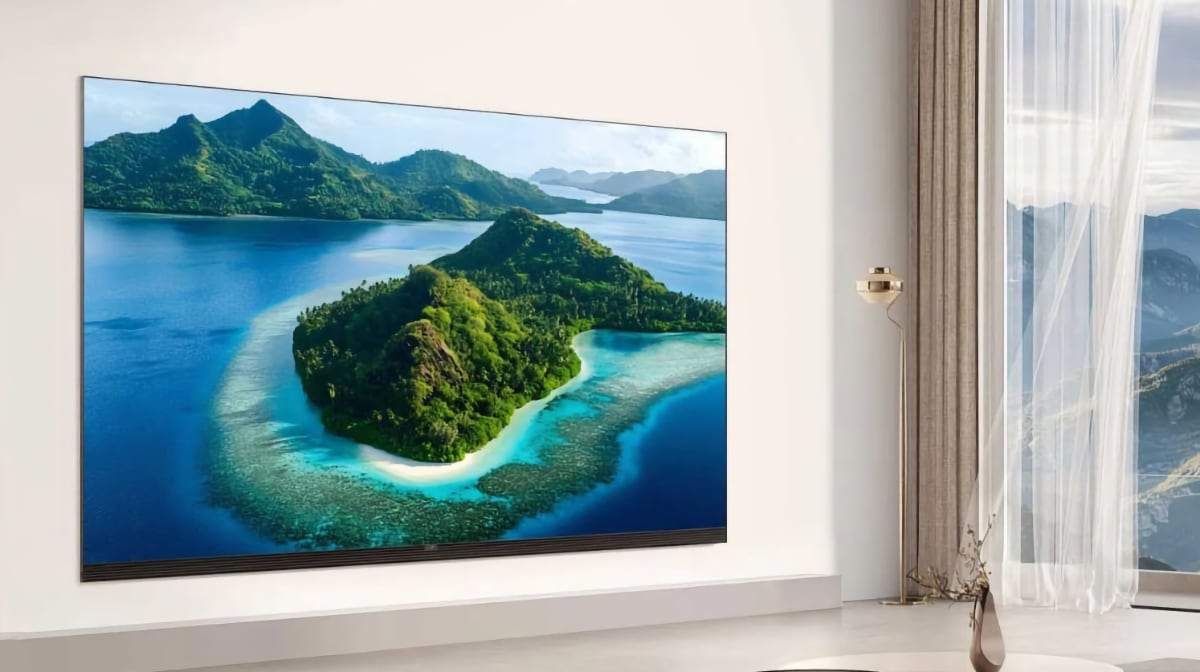
TCL has a reputation for competing aggressively on price, but you certainly would not tell from the design of this premium mid-ranger. The display stretches right to the edge of the thin alloy frame, eliminating the usual 5mm black border around the panel. In profile, the TV is slightly thicker than we are accustomed to seeing; while the alloy frame provides a sleek accent, the sharp corners of the rear enclosure accentuate its depth. Speaker grilles along the top edge further add to the perception of a deeper chassis. Nevertheless, at 5cm deep, it is not significantly thicker than rival models. The back cover is finished with a square motif and houses two woofer modules that show the Bang & Olufsen name. The TV rests on a central pedestal finished with a plastic cover – the only area where TCL's cost-conscious approach is evident. If you plan to place a soundbar beneath the screen, mounting the stand in its highest position elevates the panel 7cm above the surface. There is good news for gamers: thanks to the upgrade to a new processor based on the MediaTek Pentonic 800 chip, TCL's 8 series now features four HDMI 2.1 ports with full 48Gbps bandwidth and all gaming features. The TV also offers QMS and ARC/eARC. There is one USB port, which is reserved strictly for media playback; recording or pausing live TV is not supported. Networking options include an Ethernet port alongside Wi-Fi 6. All connection ports are side-facing, with basic cable management provided via a shallow routing channel and plastic clips leading down toward the central stand.Several of TCL's 2026 models now have four HDMI 2.1 ports. Photo: FlatpanelsUser experience & features
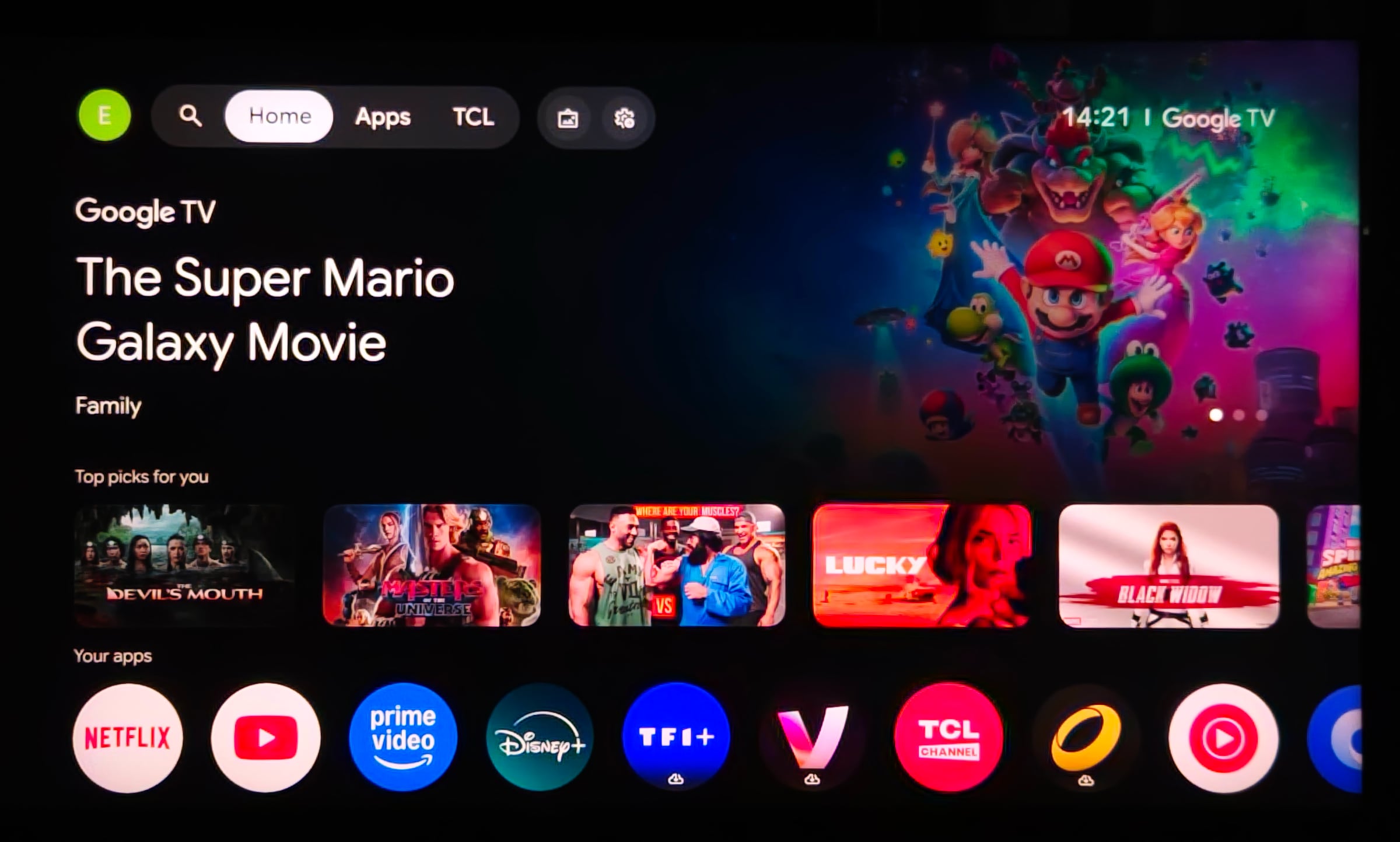
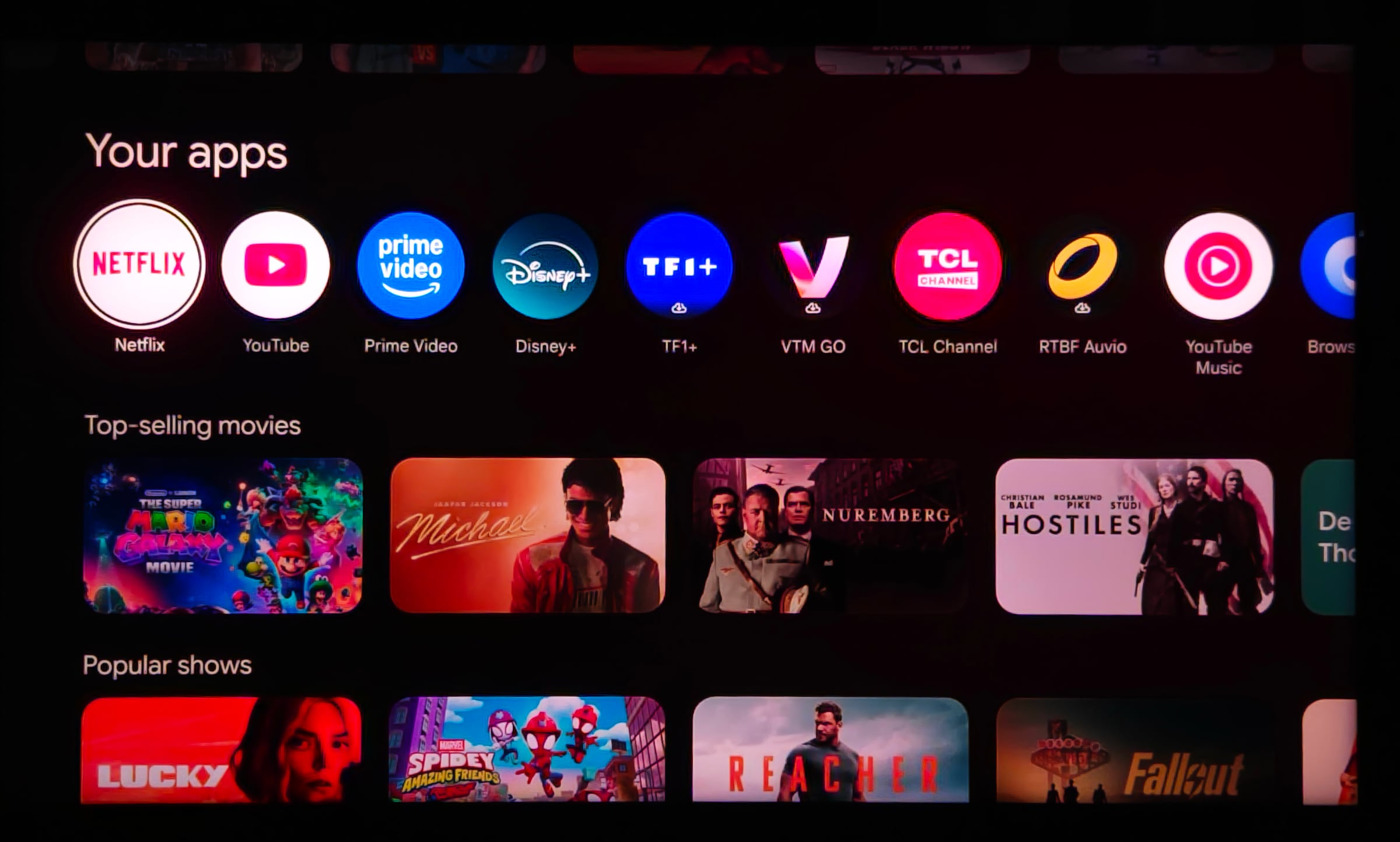
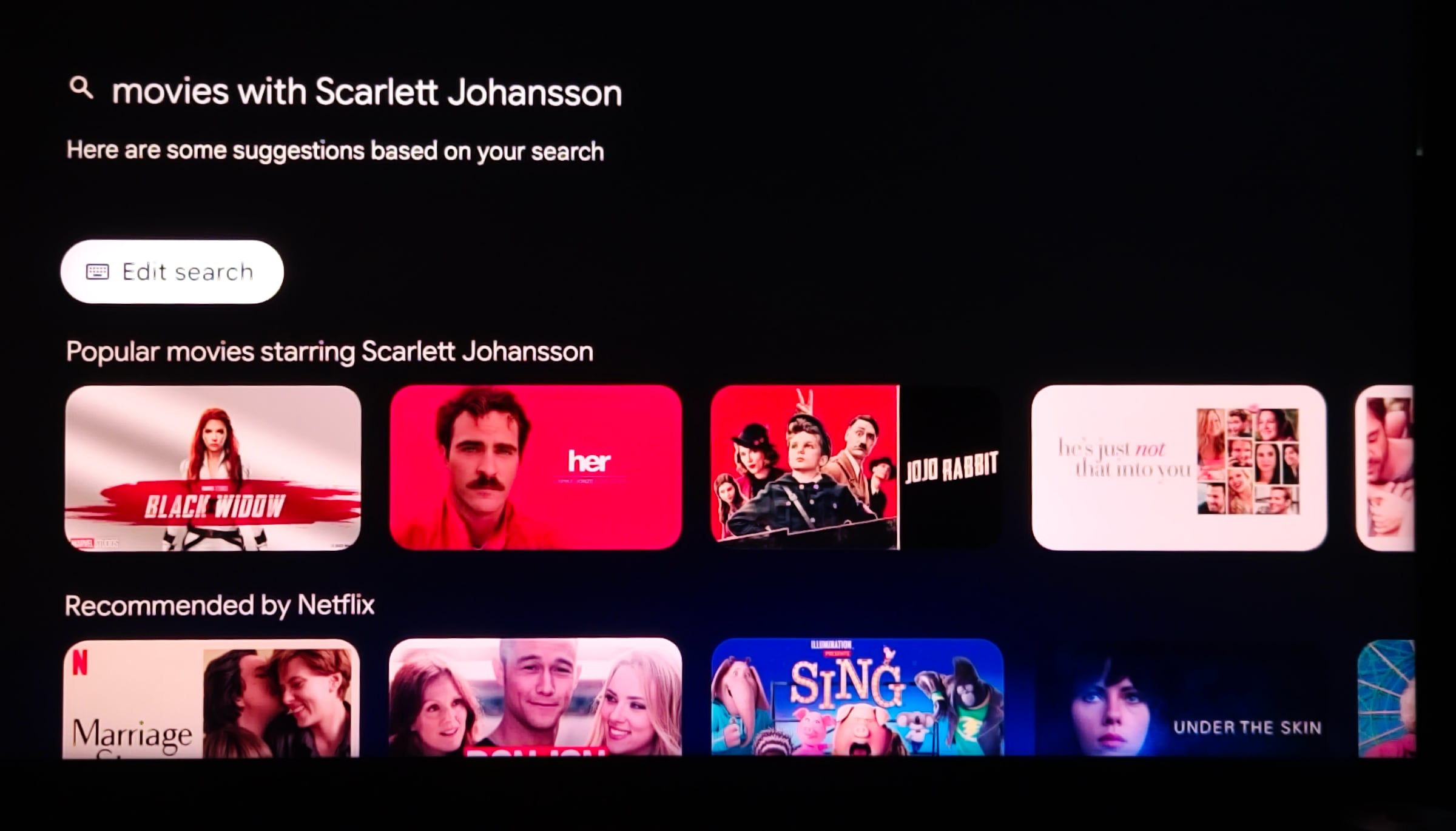
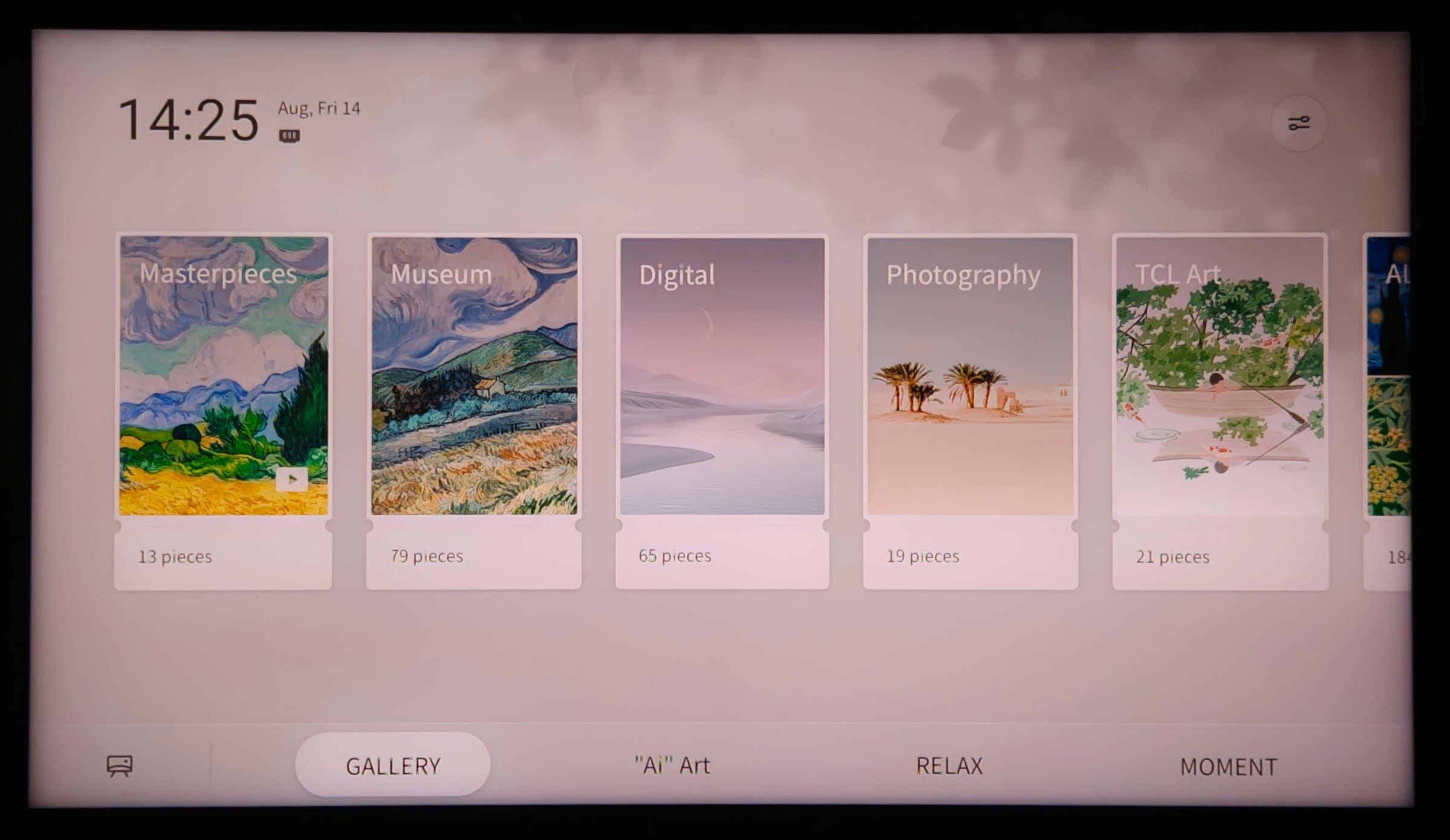
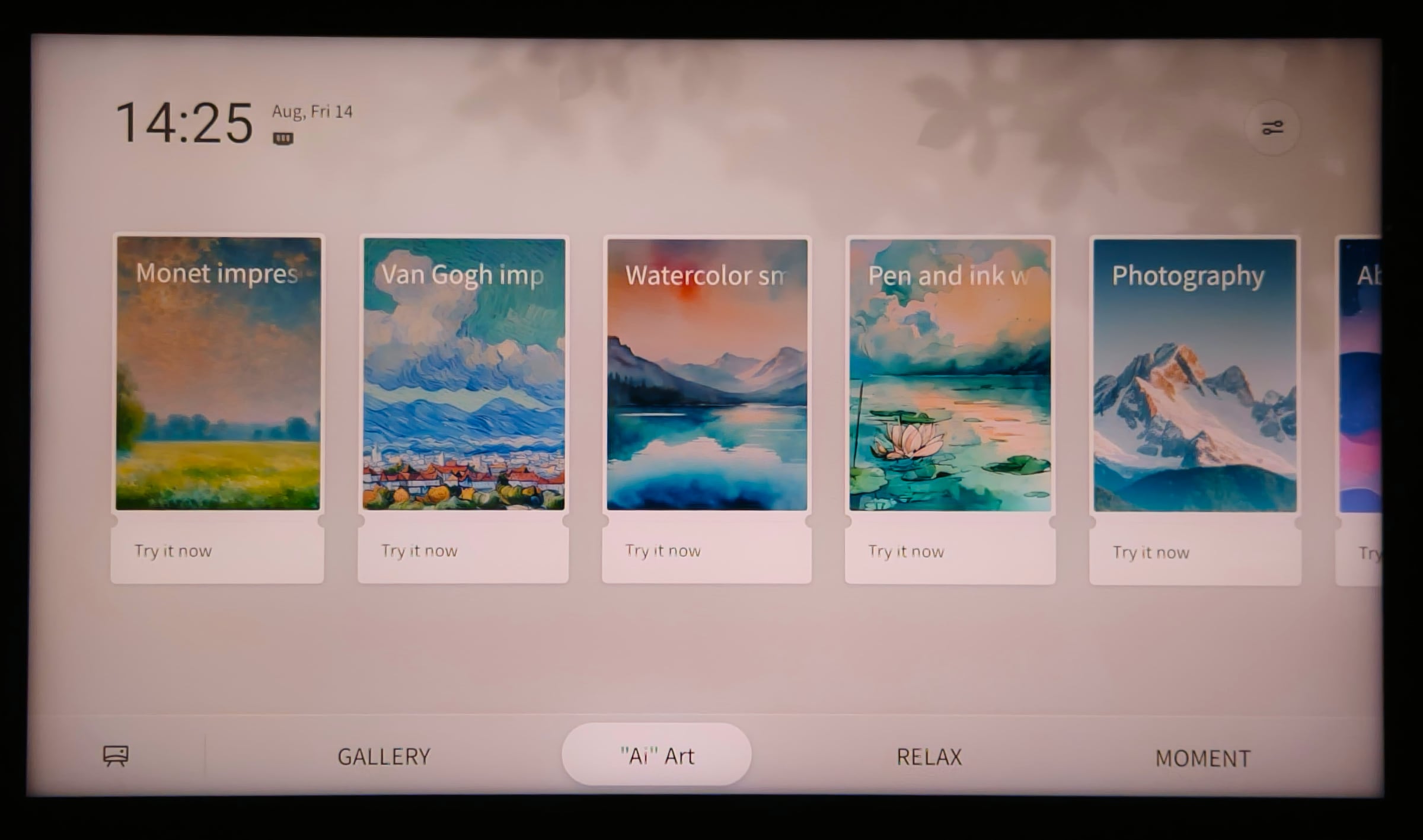
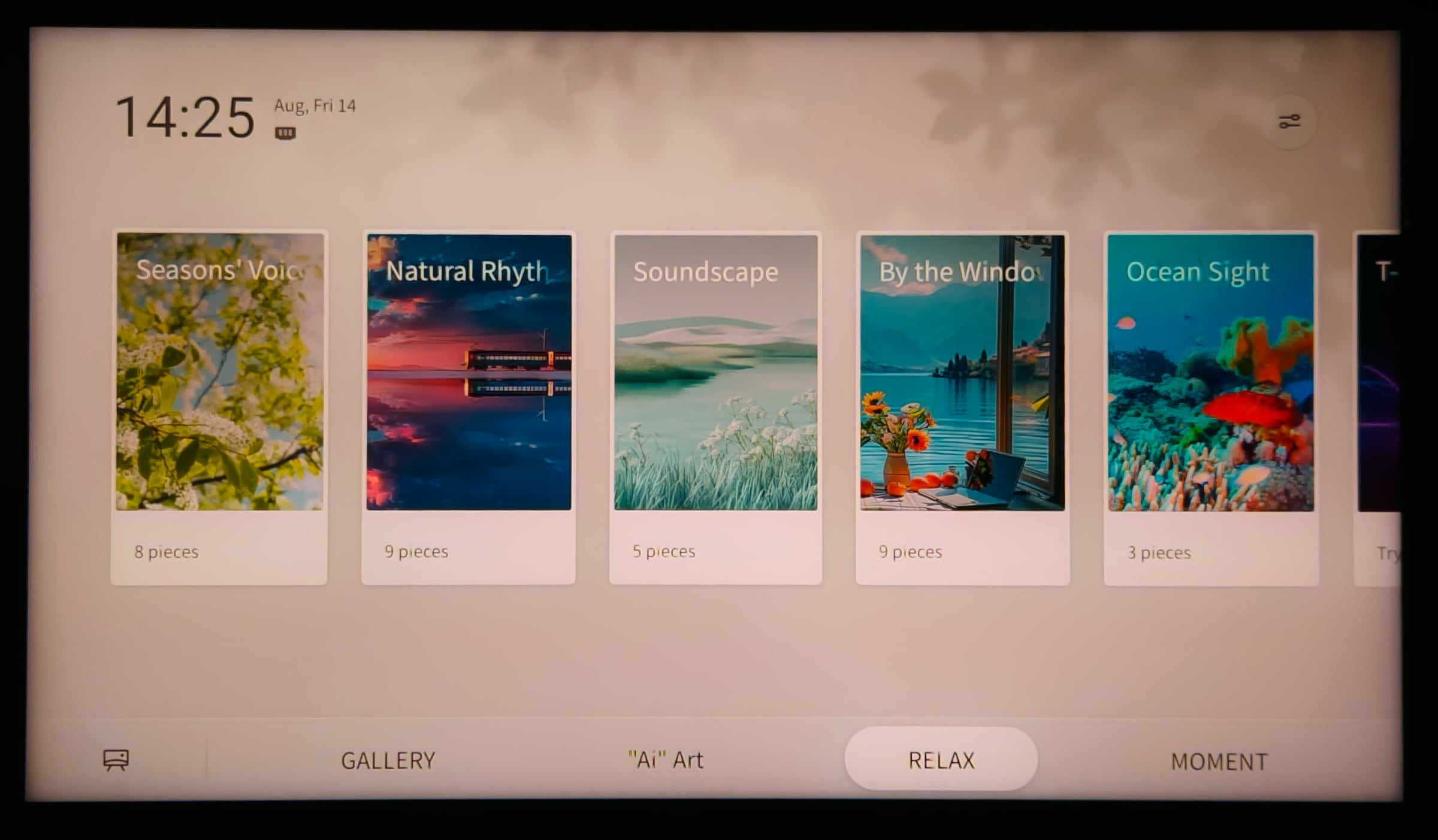
Google TV on C8L / QM8L runs Android 14 out of the box, now powered by the MediaTek Pentonic 800 SoC, up from Pentonic 700 last year, delivering a relatively snappy user experience. Out of the box, users are left with a generous ~46GB of usable storage for apps – more storage than on many other Google TVs. However, Google's update policy remains ambiguous, with no guaranteed timeframe or specific number of major OS upgrades promised. We would like to see both Google and TCL commit to a transparent update schedule, like competing platforms from Samsung (Tizen) and LG (webOS) are doing. Keep in mind that not all countries get the same Google TV experience.Google TV remains largely unchanged despite now running Android 14. Photo: FlatpanelsThe core Google TV interface has remained largely unchanged in recent years. It retains multi-user support, including dedicated kids' profiles. The homescreen features prominent sponsored content recommendations and although Google TV continues to avoid non-content ads in my region (Belgium), full-screen video ads for non-content products, such as supermarkets, are starting to show up in more an more countries around the world after previously having been limited to North America. In a consumer perspective, this is a very unfortunate trend, especially on premium TV models. As you scroll down, rows of recommendations are organized by genre rather than by streaming service. This content-first approach feels more intuitive than browsing app by app. These categories adapt based on viewing habits, though app support remains incomplete – our testing surfaced recommendations from Prime Video, Apple TV and Disney+, but Netflix and HBO Max remain notably absent from the integrated feed, as well as any local or regional apps. If Google can bridge this gap, it would represent one of the best content discovery interfaces on the market. Beyond content discovery, Google TV benefits from an expansive app ecosystem. Casting options are robust, featuring built-in Chromecast support alongside Apple AirPlay 2 integration. For ambient mode, the screensaver allows you to display personal collections from Google Photos, curated artwork or AI-generated imagery. Later this year Google Gemini will take the place of Google Assistant and it will be interesting to see what Google can do with that. While Google TV's systemic settings menus can feel somewhat convoluted, TCL has logically structured its picture adjustments. A customizable Quick Settings bar can be summoned to the bottom of the screen with a single button press for on-the-fly tweaks in image, sound or game settings. A similar pop-up overlay manages input selection while providing quick access to recently used apps. We benchmarked the new Pentonic 800 chip in our TCL X11L review, and it delivers similar performance on TCL C8L / QM8L.The art features built into TCL's latest Google TVs. Photo: FlatpanelsOperation
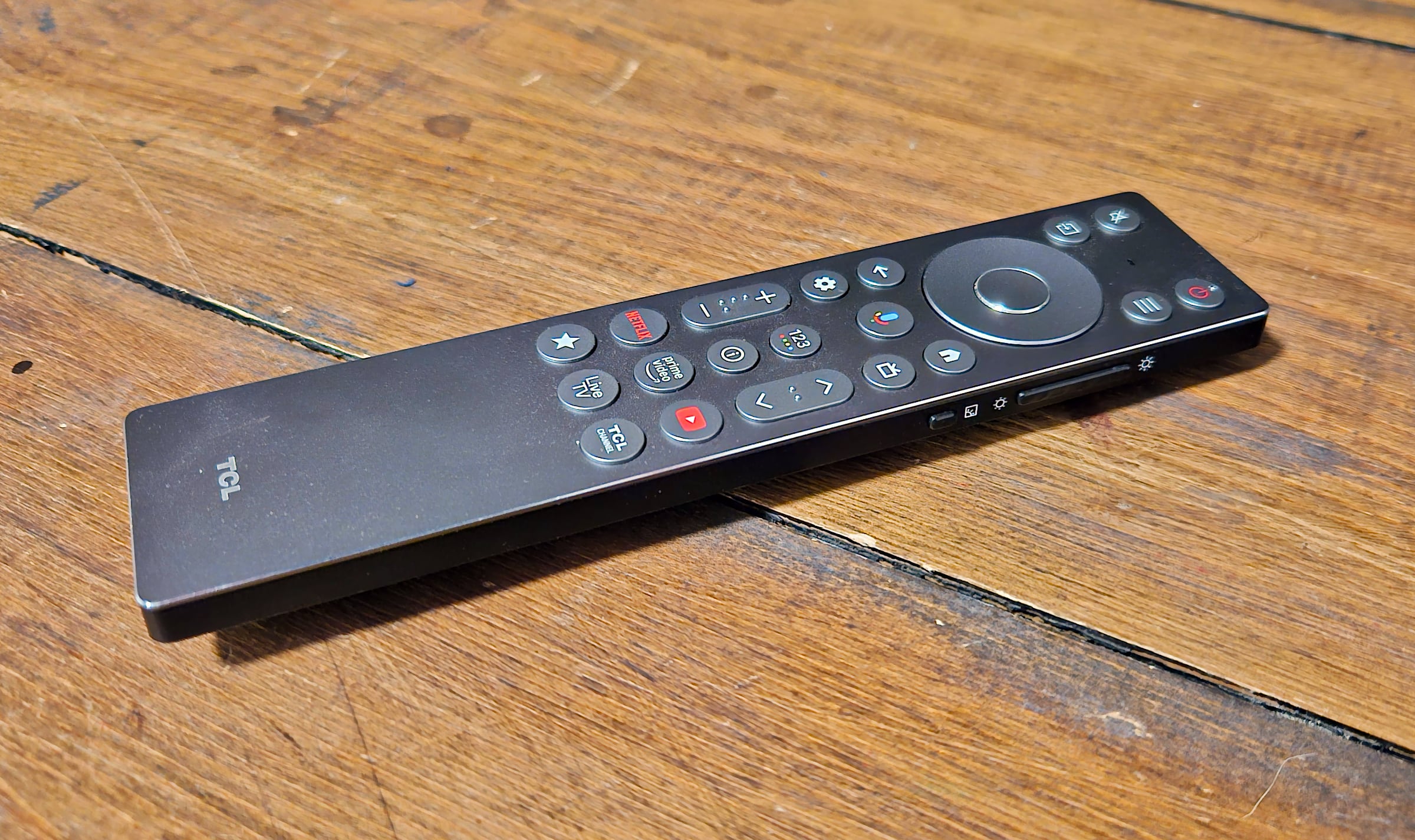
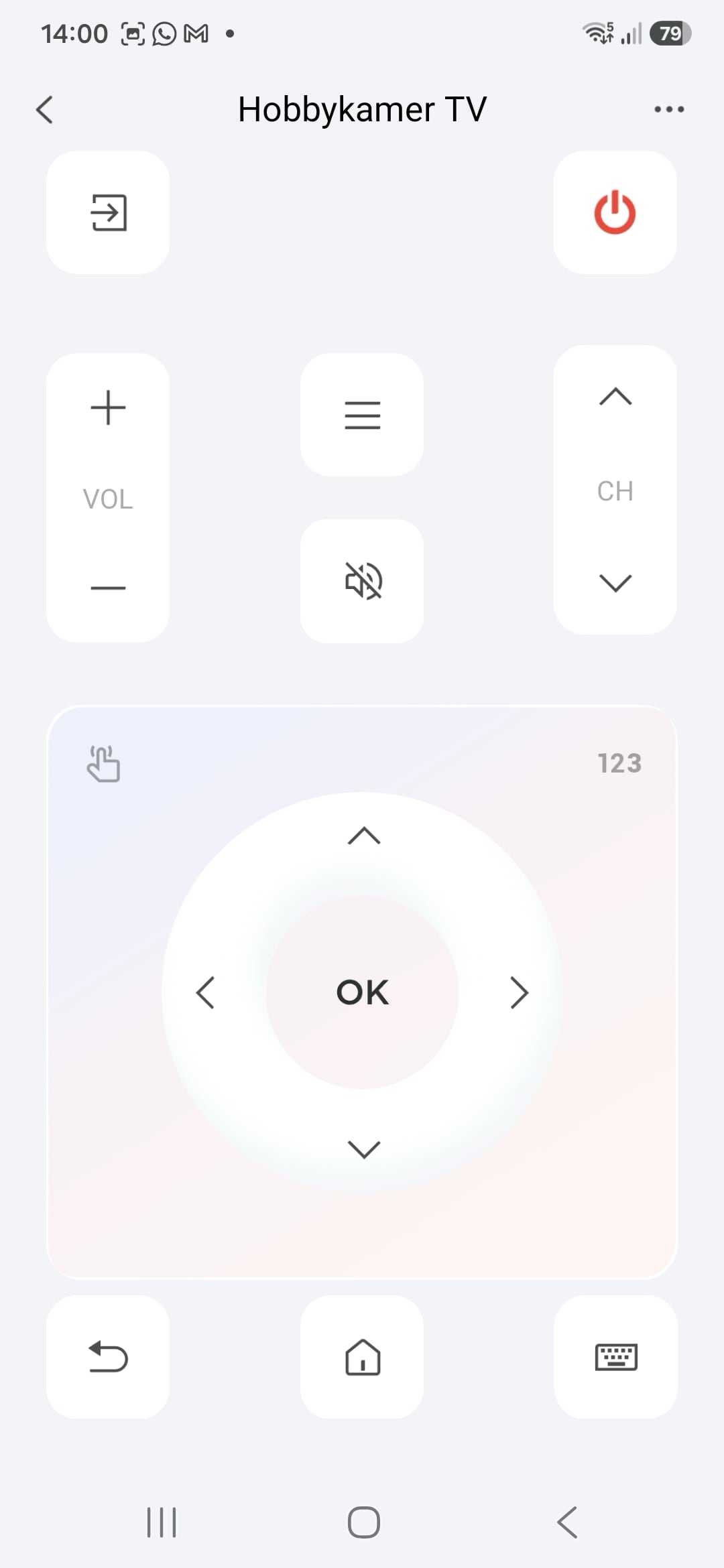
The remote control differs minimally from the version supplied with the 2025 C8K / QM8K, though some revisions have been made: Three additional hotkeys now sit along the bottom row: one for TCL Channel (TCL's proprietary FAST streaming service), one confusingly labeled 'Live TV' which on our sample simply toggled to the last active input, and a customizable star button. The star key can be mapped to trigger either Google Home or a user-selected app, a welcome addition that can also be found on Sony's latest remote design.Furthermore, TCL has integrated small side-mounted controls: a rocker to adjust panel brightness directly, and a button to cycle through picture modes. The picture mode selector is a particularly convenient inclusion, despite its diminutive size, while the brightness rocker offers quick manual overrides for users who prefer to disable the ambient light sensor. Overall, the remote leaves a solid impression. While it lacks a truly premium feel, it avoids looking cheap (unlike the remote bundled with C7L). The keys offer short travel with reassuring tactile feedback, which is key for everyday usability. The layout is logical and clutter-free, making blind navigation easy after a brief period of use. However, TCL continues to rely on standard AAA batteries; an internal battery rechargeable via USB-C would have been a worthy upgrade in this price class. There is also a smartphone app available that can be used to control some TV features:TCL's refreshed 2026 remote. Photo: FlatpanelsTV audio
C8L / QM8L is equipped with a 90W 2.1.2-channel sound system tuned by Bang & Olufsen. While certain spec sheets cite a total output of 240W, this is almost certainly an error; TCL confirmed to us that the audio setup remains identical to that of the 2025 C8K / QM8K. Dolby Atmos and DTS:X decoding are both supported. For a 65-inch TV, this configuration provides ample volume alongside a convincing surround sound experience, where height effects were noticeably discernible in our testing. Push the volume too high and audible distortion sets in, though by that point, output levels had already crossed into uncomfortable listening territory. Bass response is quite punchy for built-in TV speakers, adding welcome weight to movie tracks and action sequences. Preset tuning requires attention: while the Film mode broadens the soundstage effectively for cinematic content, it renders music overly spatial and harsh. The Music mode provides a much better balance. Alternatively, sound characteristics can be customized using B&O's Beosonic interface, which uses a simplified quadrant (Bright, Warm, Relaxed, Energetic) instead of a traditional band EQ. While this is definitely a good TV sound systems in its class, it cannot replace a dedicated audio setup for true home theater immersion. For a streamlined upgrade, TV supports Dolby Atmos FlexConnect, enabling low-latency wireless pairing with TCL's Z100 expansion speakers and subwoofer. Also read: Dolby Atmos FlexConnect shows promise and a path beyond soundbarsCalibration
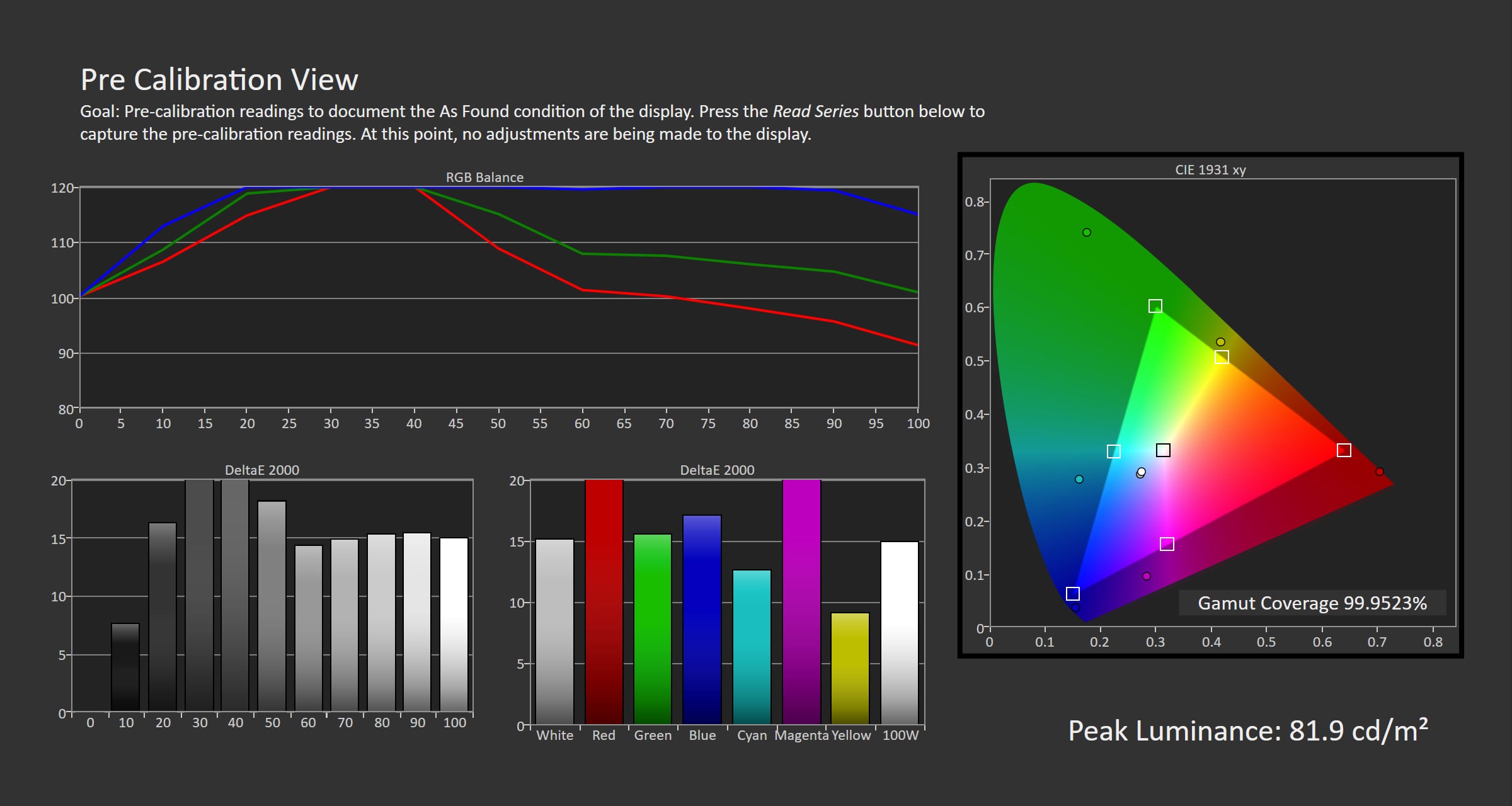
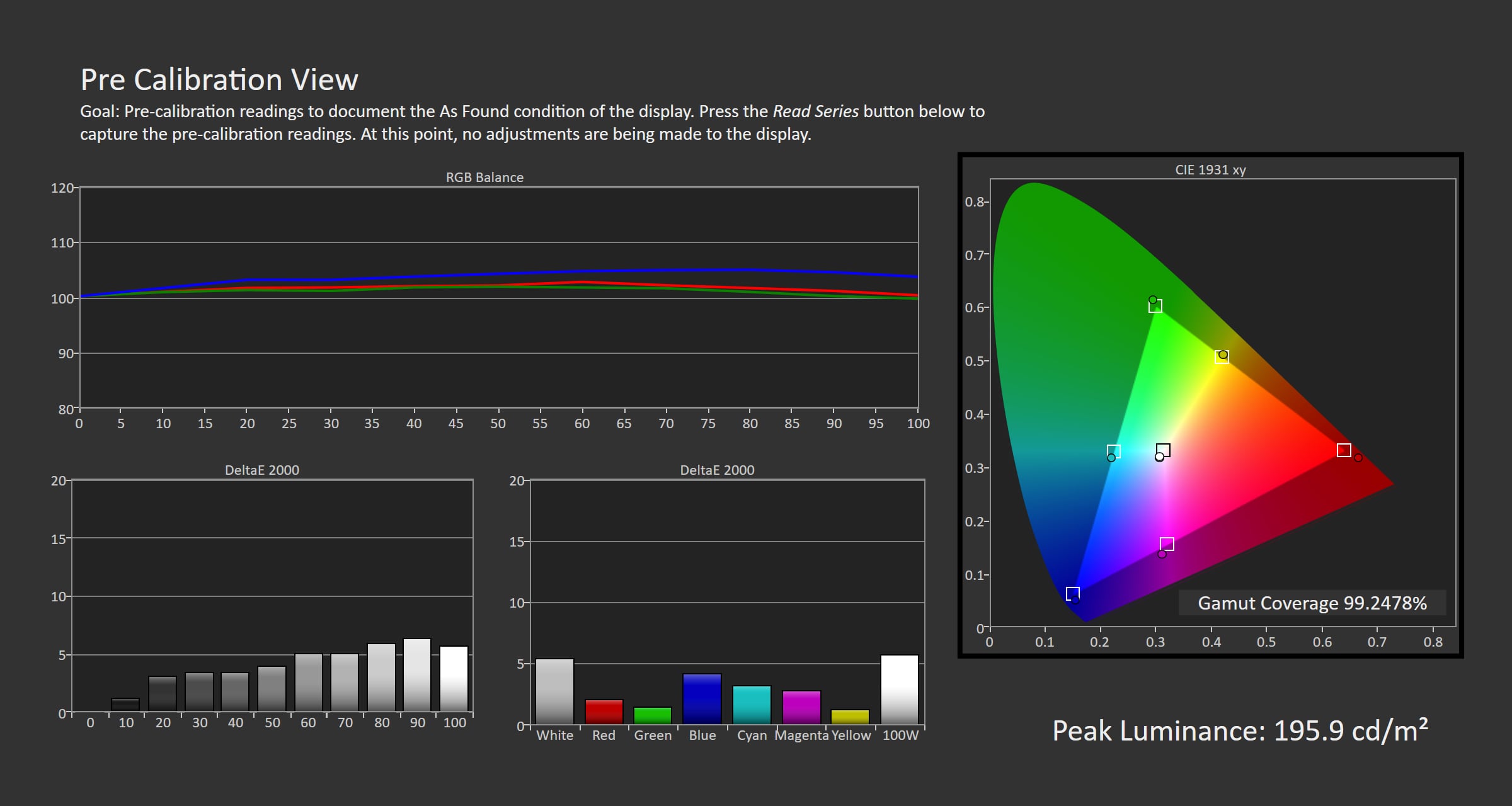
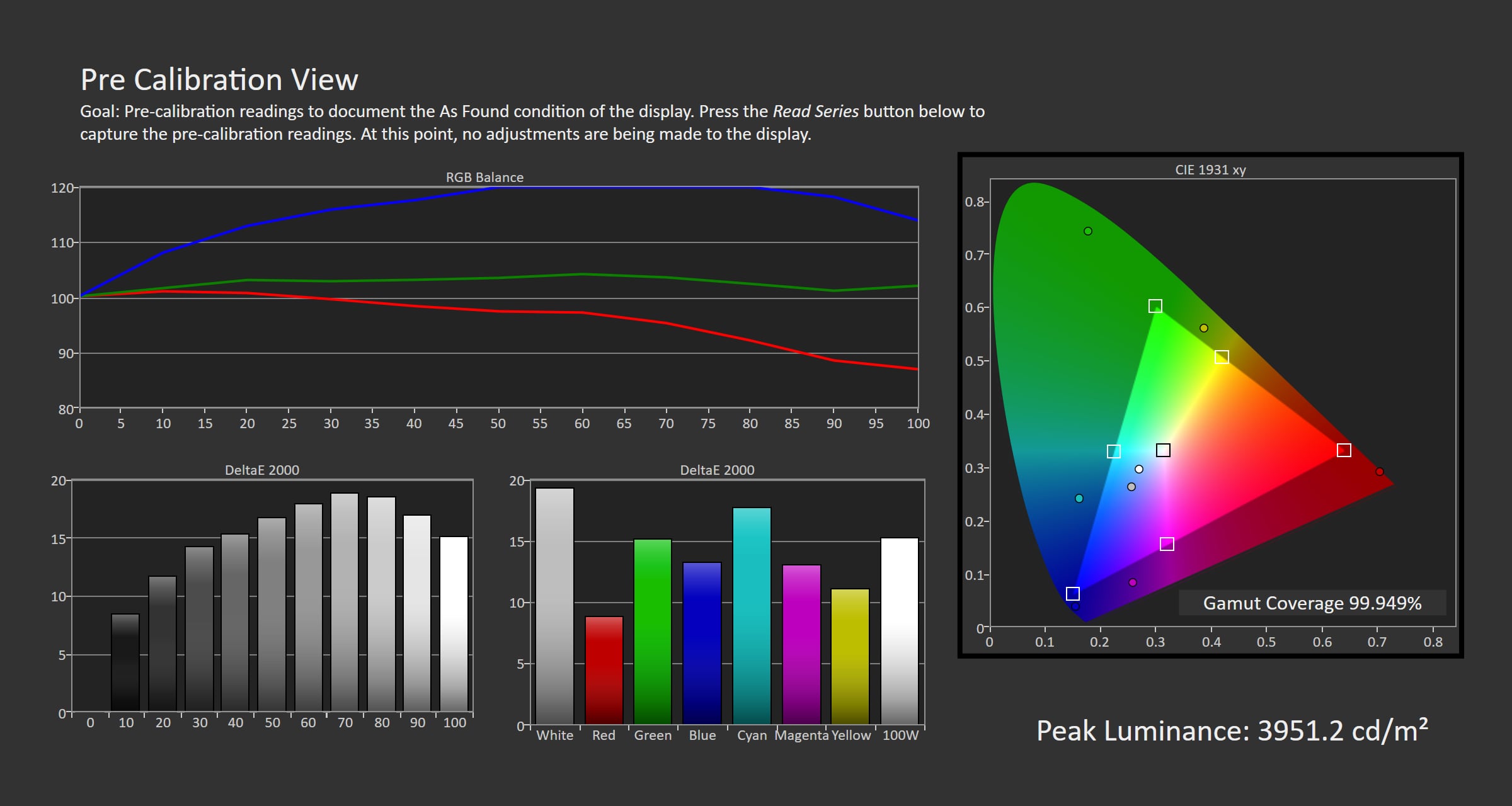
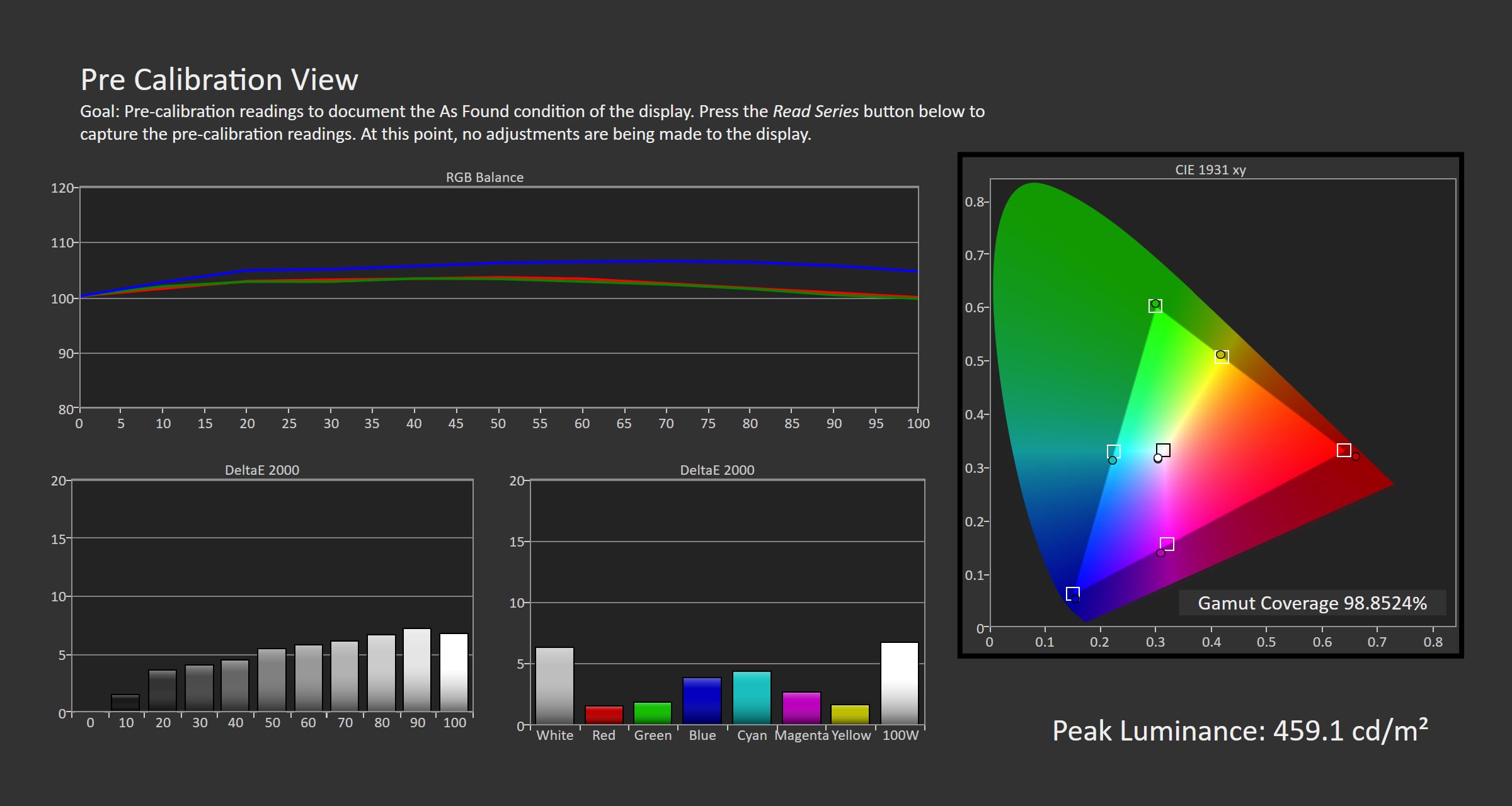
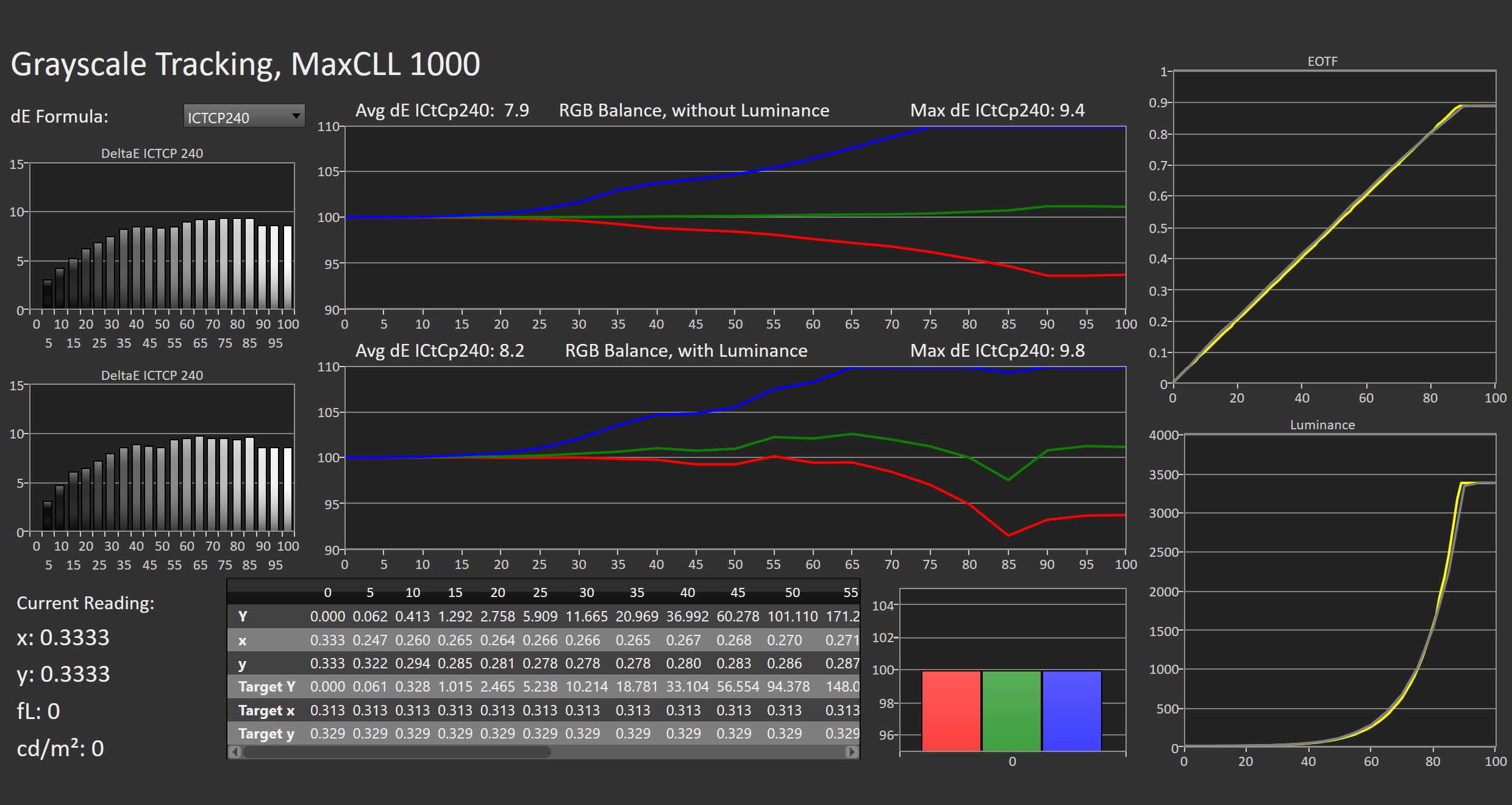
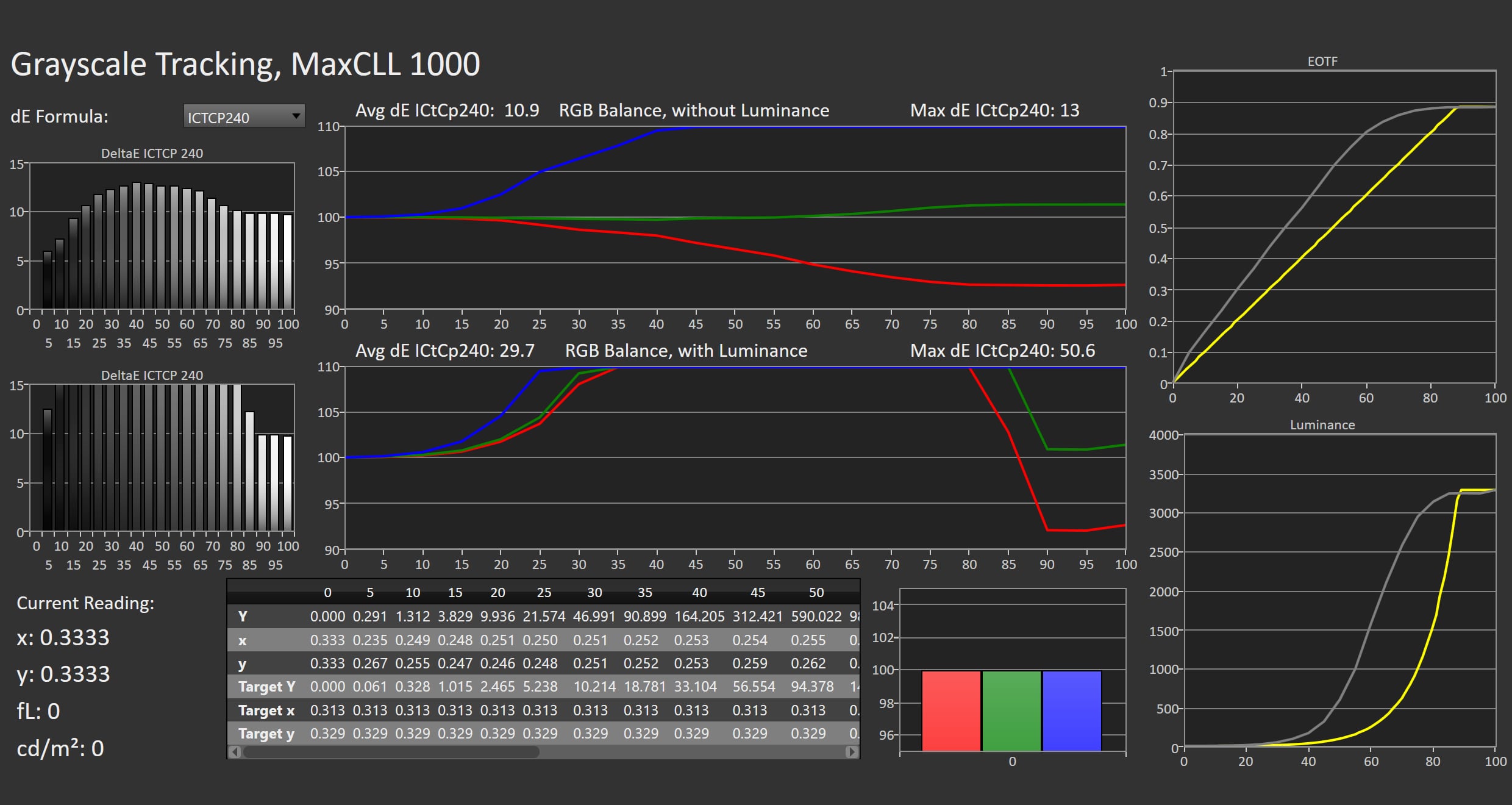
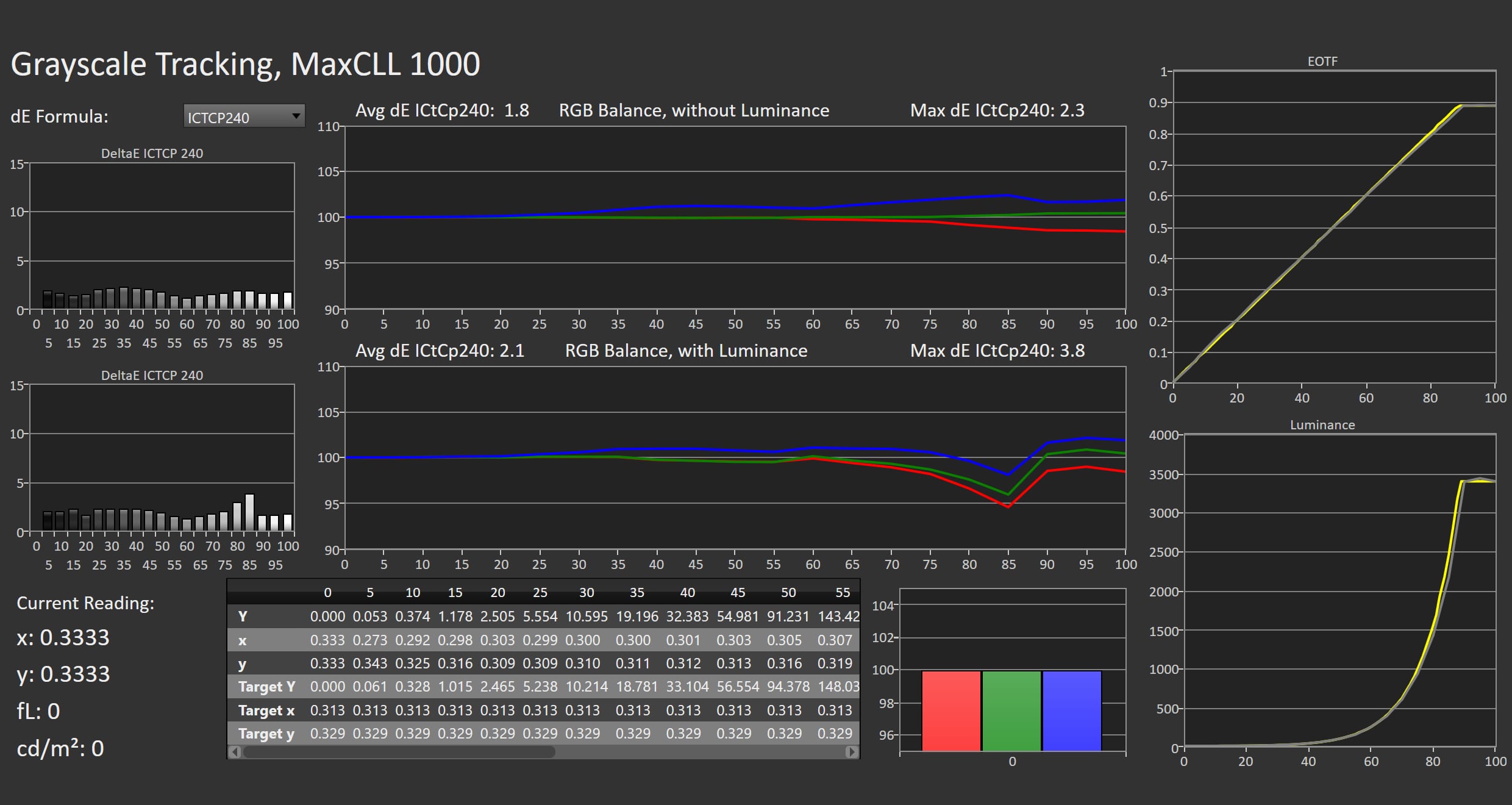
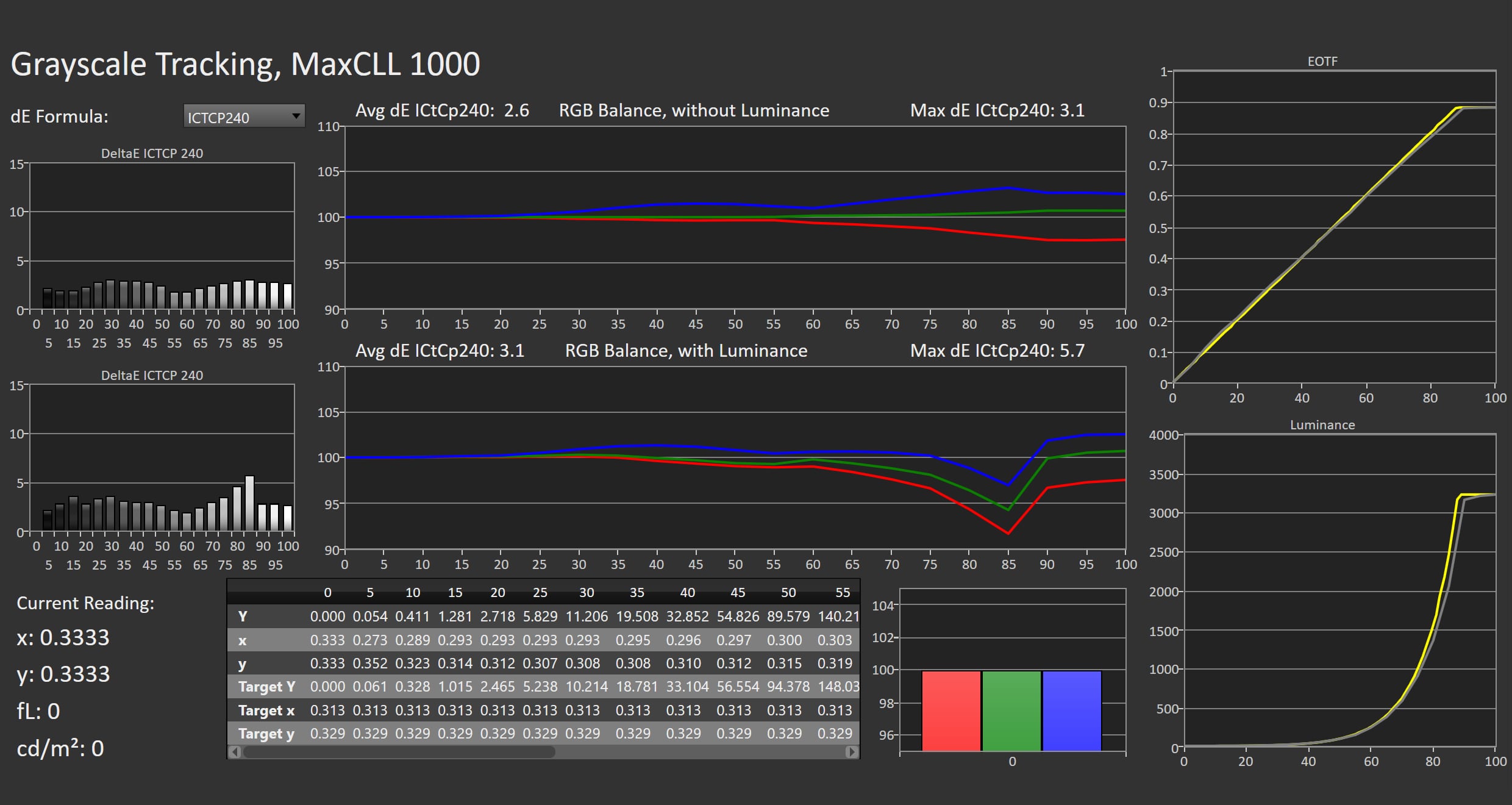
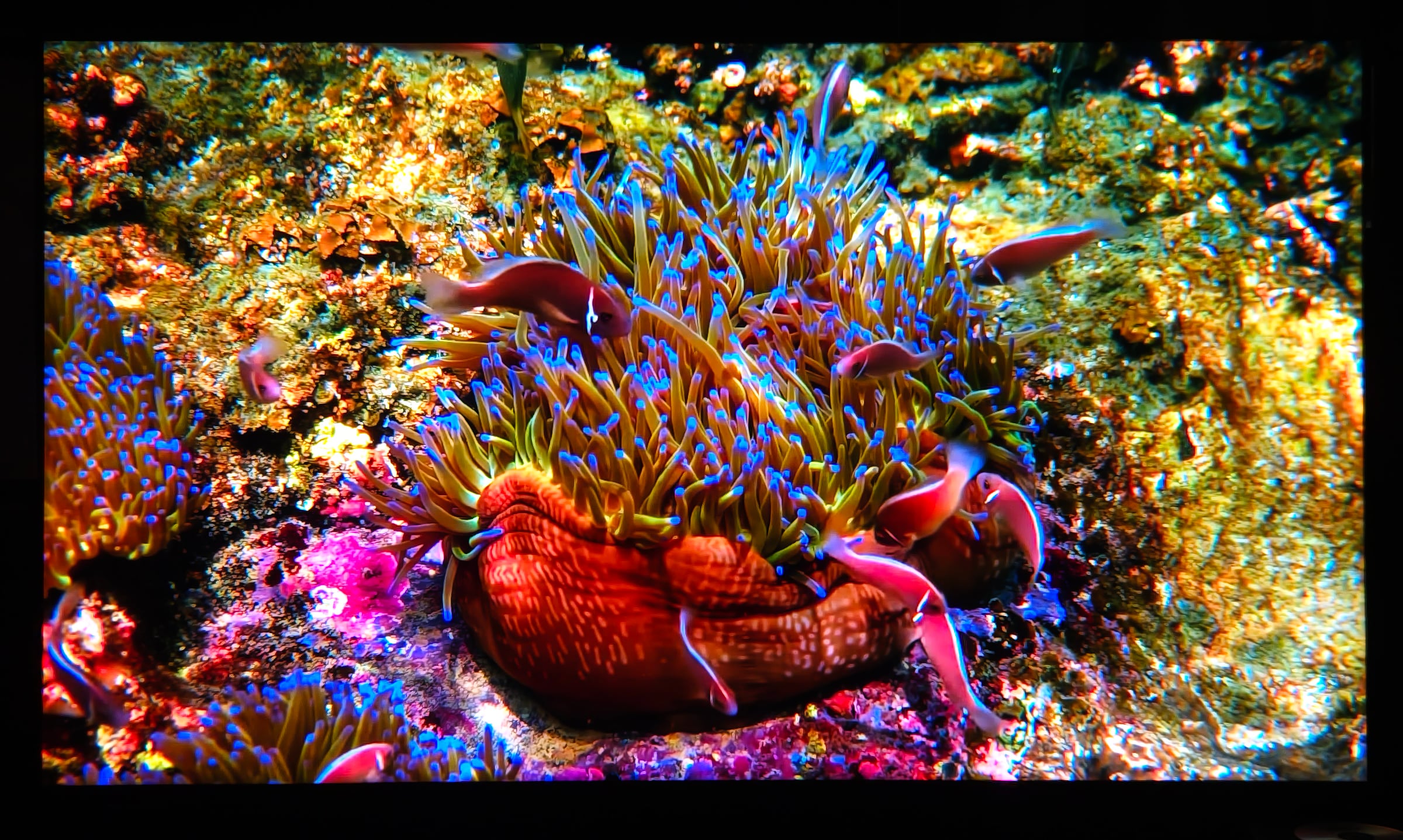
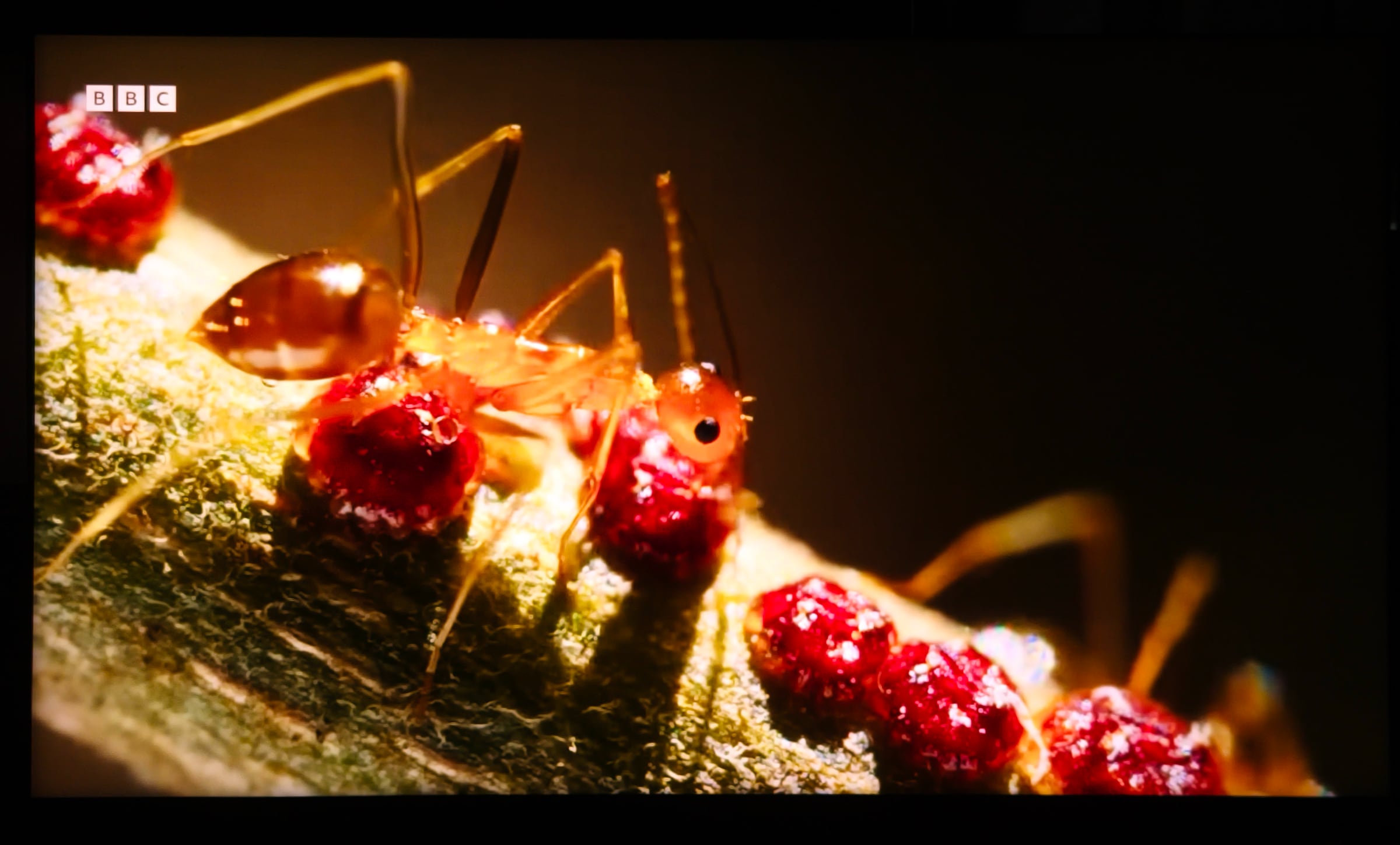
Like most TV makers, the out-of-the-box preset ('Standard') defaults to a overly cool color temperature with aggressive sharping. On C8L / QM8L, these default adjustments remain just within tolerable limits. However, color saturation is heavily exaggerated, with skin tones in particular exhibiting a distinct reddish cast. This stems directly from the Color Space setting defaulting to 'Native'. Given the panel's wide color gamut, this mapping produces harsh, unnatural imagery. If you insist on using Standard picture mode, we strongly recommend changing the Color Space setting to 'Auto' as a minimum corrective step. In Filmmaker Mode, factory calibration is decent, though not flawless. The grayscale leans slightly cool, while the gamma tracking tracks closer to 2.2 rather than the 2.4 target we typically prefer for a cinematic presentation with enhanced depth. Shadow detail is rendered well, avoiding crush, and overall color accuracy is solid, with natural skin tones. For enthusiasts seeking reference-level precision, TCL supports Calman AutoCal, allowing automated calibration to squeeze out the best possible panel performance. When Game Master is set to 'Auto' in the Quick Settings menu, ALLM seamlessly triggers the Game picture mode. TCL has wisely aligned Game mode's calibration with Filmmaker Mode, ensuring games are presented with natural, accurate color and luminance rather than oversaturated defaults like we often see on TVs. The WHVA Ultra 2.0 LCD panel paired with the new Super Quantum Dot miniLED backlight reached peak brightness of 3764 nits on a 10% window in Filmmaker Mode, a 15% increase over last year's C8K / QM8K, and touched 5529 nits on a 5% window. The latter is short-lived, as thermal management and power algorithms dynamically throttle output, meaning these extreme bursts are momentary rather than sustained. Nevertheless, the panel can sustain roughly 3500 nits, which remains quite impressive. Full-screen 100% landed at 674 nits, essentially unchanged from its predecessor. Color coverage sees a notable boost, reaching 97% of DCI-P3 and jumping to 88% of Rec.2020 (up from 75% on C8K/QM8K last year). While the Rec.2020 improvement is significant on paper, its practical impact remains limited given that the vast majority of consumer HDR content is mastered within DCI-P3. Out-of-the-box HDR calibration in Filmmaker Mode is solid, exhibiting a slightly cool grayscale bias but otherwise delivering commendable color accuracy.Measured picture modes
Click the picture mode to expand the view
Standard (SDR) Vivid (HDR) Filmmaker Mode (HDR) Game Mode (HDR) Standard (HDR) Vivid (HDR) Filmmaker Mode (HDR) Game Mode (HDR) Left: Standard picture mode. Right: Filmmaker Mode. Photo: FlatpanelsMeasurements
In our "measurements" section we include all measurements and our suggested calibration settings. If you want to learn more about our test methodology click here. Note: In 2021, we implemented a new method for measurement of average power consumption in SDR and HDR, meaning that earlier measurements are not 1:1 comparable. The new method will be used in all TV reviews going forward.Note: We include calibration settings only for SDR, not HDR. For our calibration we have deactivated the ambient light sensor that automatically adjusts the backlight setting according to your environment. You may prefer to have it enabled.Picture quality
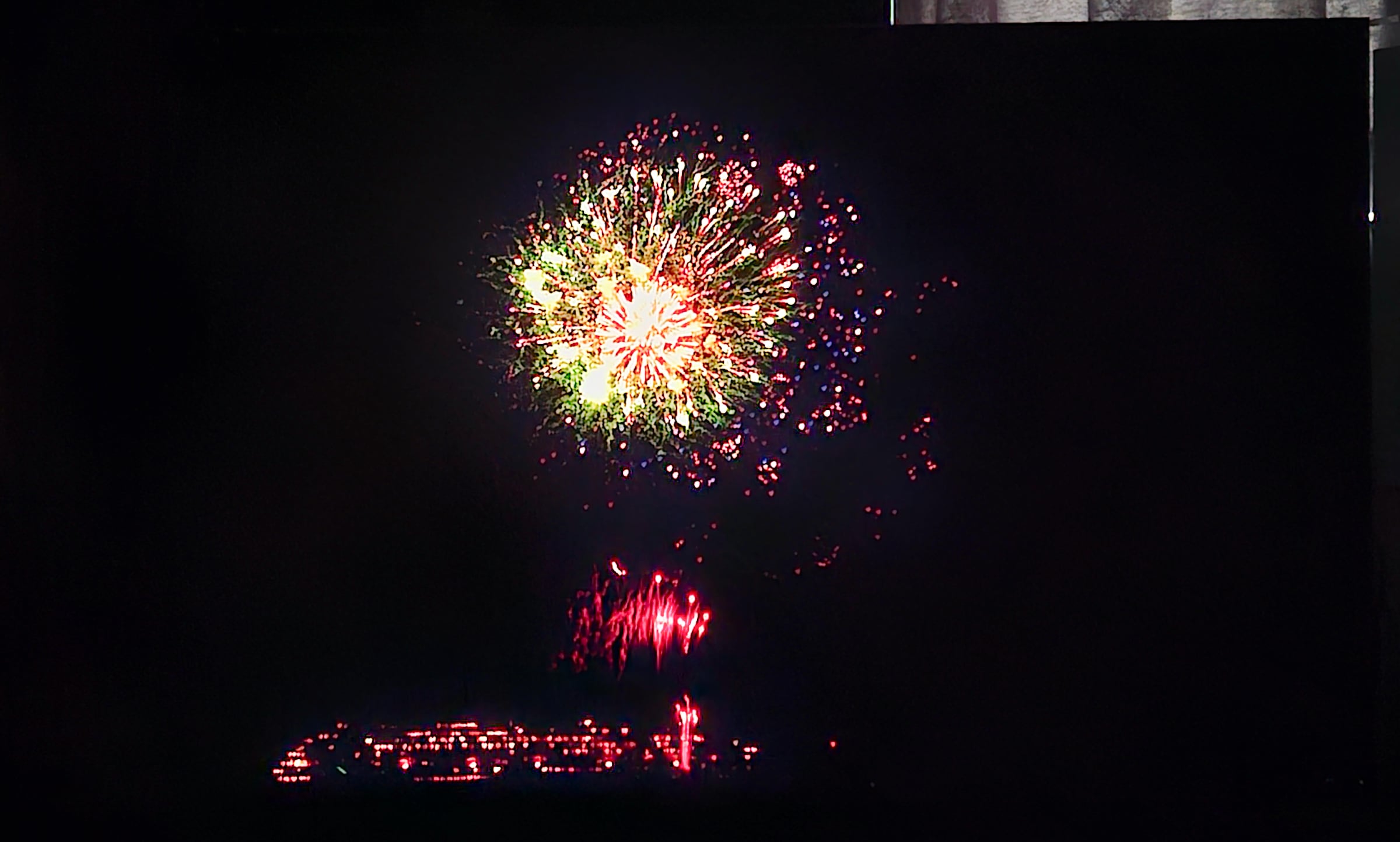
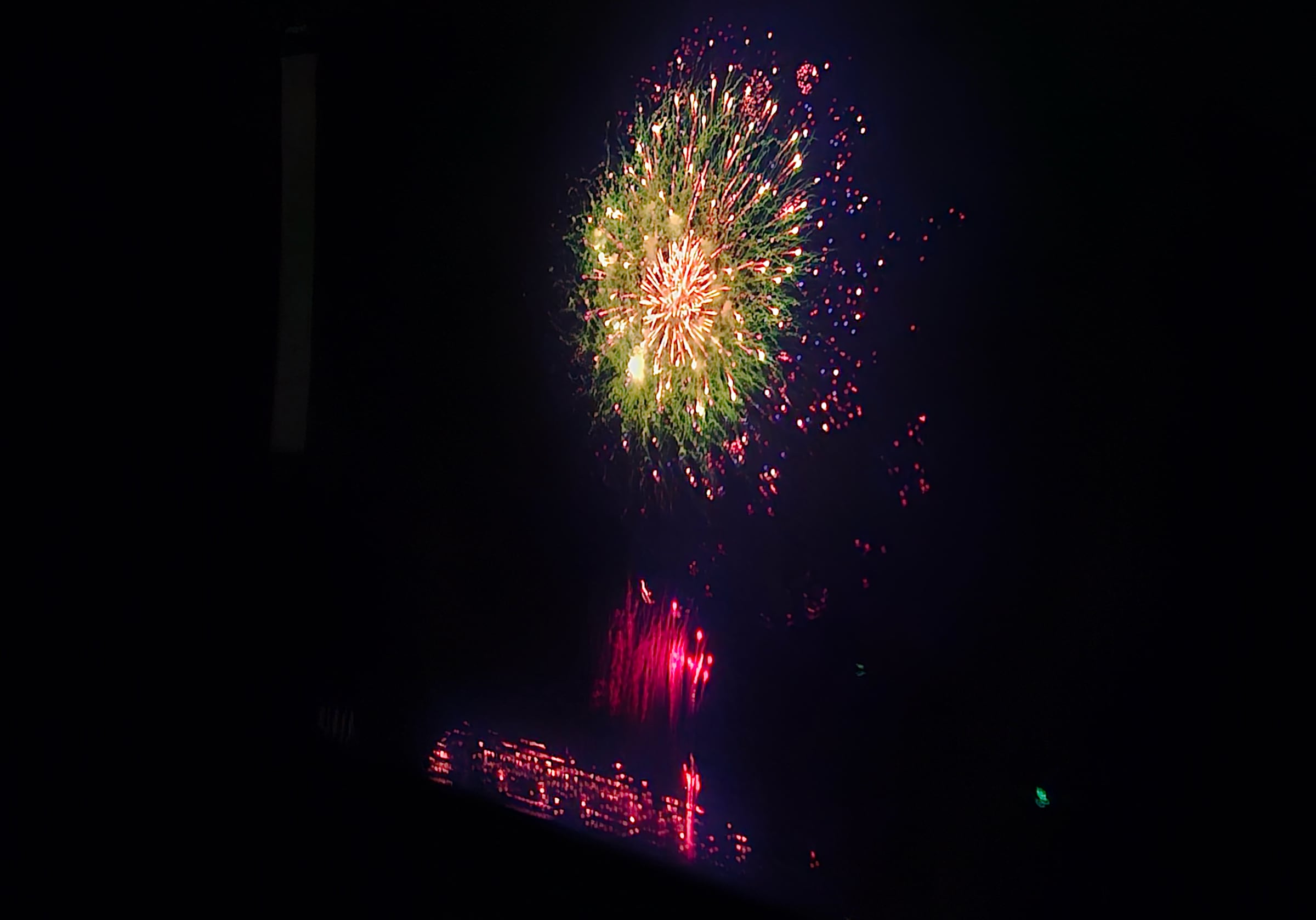
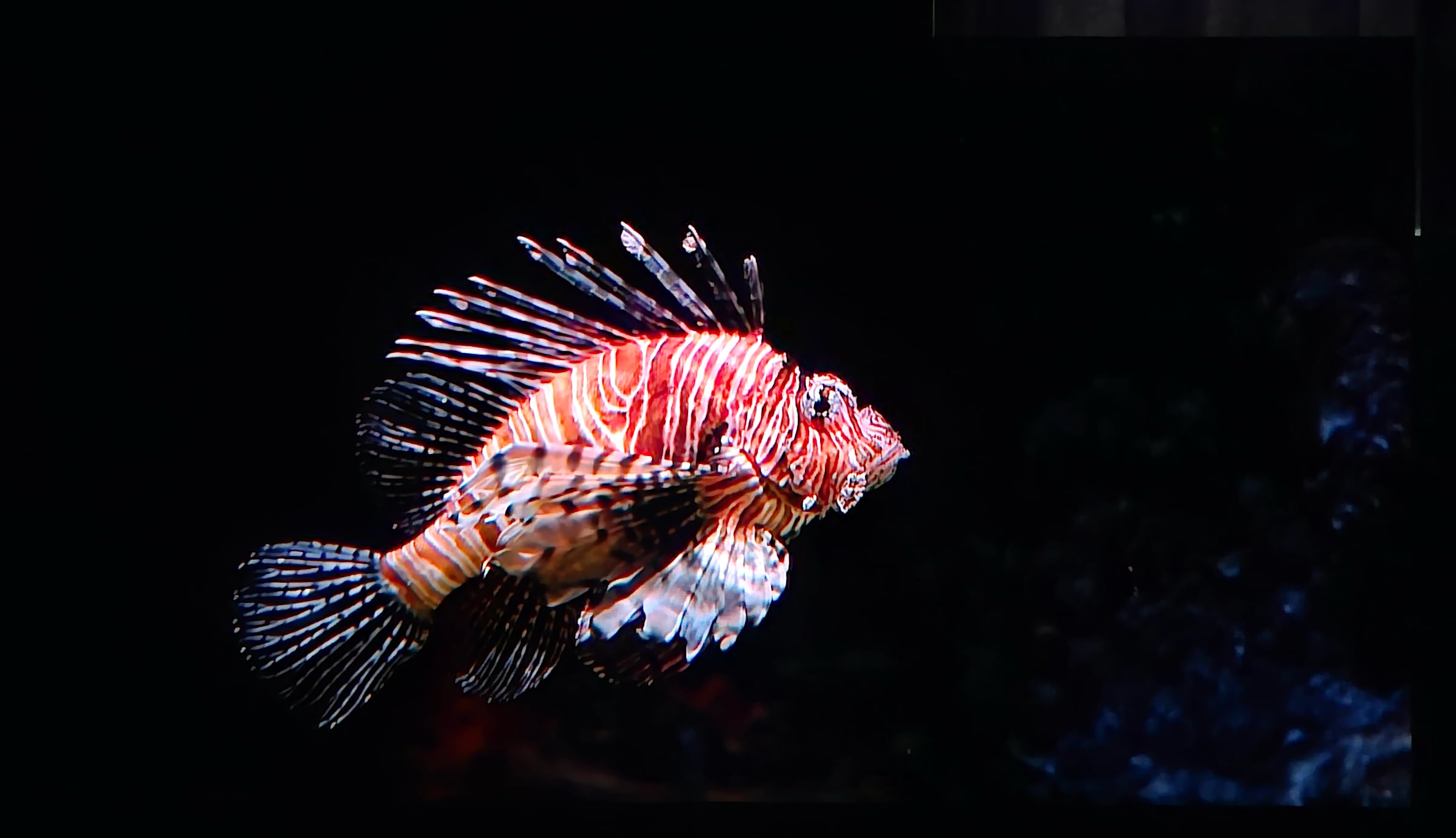
Season four of Star Trek: Strange New Worlds arrived just in time for our review, providing ideal test material for C8L / QM8L. A supernova and an antimatter explosion served as excellent showcases for the TV's peak brightness and dynamic contrast, while Star Trek's colorful universe and iconic uniforms were rendered with rich vibrancy. The WHVA 2.0 Ultra LCD panel registers a native ANSI contrast ratio of 4894:1, backed by a miniLED backlight configured in a 60x34 grid (2040 dimming zones in 65", more in larger sizes), a 21% increase in number of zones over last year's model. With local dimming engaged, ANSI contrast expands to 16175:1. While these contrast figures appear close to those recorded on C8K, that is largely an artifact of the standard checkerboard test pattern. In real-world content, the higher zone count pays dividends in fine shadow detail and localized backlight control. Precision dimming is essential to mitigate haloing, preserve specular highlights (small glowing objects set on dark background) and keep dark areas dark and nuanced within overall bright scenes. In addition to the increased number of zones, TCL has upgraded backlight driving precision from 23-bit to 26-bit LED control. These cumulative hardware improvements help improve picture quality, allowing C8L / QM8L to approach OLED-like performance in select scenes. However, it cedes ground to OLED during challenging space sequences, such as the opening sequence of Alien: Romulus, where the ship's searchlights inevitably cause subtle light bleed into the surrounding void. TCL controls zone transitions remarkably well; haloing is kept largely in check, even around high-contrast subtitles, and letterbox bars remain convincingly black, but it will be visible from time to time depending on the scene and your viewing angle.Blooming on TCL C8L. Photo: FlatpanelsViewing angles on the VA-type panel are respectable, though OLED retains a clear advantage here; off-axis viewing introduces visible haloing in dark scenes alongside some contrast degradation and color desaturation. Inevitably, the question arises: How does TCL's new 'SQD-miniLED' technology compare to RGB miniLED, the other major newcomer to the LCD TV market? In terms of color gamut, we consider the difference relatively small, particularly for DCI-P3, where the gap is just 1–2% in favor of RGB miniLED. SQD also holds its own when it comes to Rec.2020 coverage. Sony Bravia 9 II is roughly matching C8L while Hisense UR9S exceeds it somewhat – reviews coming soon. As mentioned earlier, however, most content is mastered in DCI-P3, so the practical benefit of extremely high Rec.2020 coverage remains limited for now. What about peak brightness? The RGB MiniLED models manage around 1000 nits on a full-screen white pattern, compared to roughly 670 nits for C8L. On a 10% window, however, all of them reach around 4000 nits. Contrast is more difficult to compare. An ANSI contrast pattern becomes less meaningful once you are dealing with 1000-2000 local dimming zones. RGB MiniLED has the additional advantage of being able to control the color of the light within each zone (more or less tripling the effective count), which can make a difference, although this approach also introduces potential drawbacks such as crosstalk. Real-world content provides a much better indication of performance, and here it becomes clear that a sophisticated and carefully tuned local dimming algorithm is at least as important as the underlying technology. The Hisense, with 1056 real zones, still lacks some refinement, while Sony's 1530-zone system delivers outstanding results. TCL, meanwhile, can compensate to a significant extent with its 2040 conventional white miniLED zones. At its press event, TCL even suggested that it considers SQD-miniLED technology more important than RGB miniLED. A higher zone count is easier to implement and relies on a more mature, proven technology, while RGB backlighting introduces additional complexities that may not always translate into a practical advantage. In other words, RGB MiniLED certainly has impressive potential, but C8L demonstrates that a conventional miniLED backlight with enough zones, excellent control and Super Quantum Dots can compete surprisingly well, and even outperform in some areas.Google TV remains largely unchanged despite now running Android 14. Photo: FlatpanelsWith its extreme peak luminance, impressive contrast and wide color gamut, C8L / QM8L is well-equipped for HDR playback. Format support is comprehensive, covering HDR10, HLG, HDR10+, and Dolby Vision IQ, with a planned firmware update for Dolby Vision 2 Max expected later in the year. Out-of-the-box HDR10 performance in Filmmaker Mode is well-calibrated, displaying accurate PQ EOTF tracking and solid color rendition. Shadow detail is cleanly rendered with nuanced steps near black, while high-brightness tracking avoids highlight clipping. The Super Quantum Dot layer ensures high luminance levels retain strong color saturation. Consequently, dynamic tone mapping is largely unnecessary; engaging it serves primarily to lift overall scene brightness rather than preserve detail. Fortunately, TCL did manage to eliminate some faulty outcomes of dynamic tone-mapping which we noticed last year. While it occasionally uncovers subtle highlight nuance in select scenes, higher dynamic tone mapping settings over-brighten the picture and should be avoided in our opinion. Processing duties are handled by the TSR AIPQ Processor, driven by the MediaTek Pentonic 800 SoC. In our initial tests, the processor stumbled with 60i film cadence deinterlacing, failing to properly detect 3:2 or 2:2 pulldown and introducing visible jaggies along near-horizontal lines. TCL acknowledged the bug, and a forthcoming software update which we were able to evaluate early resolves the issue. Beyond this fix, video processing is strong. Both random and compression noise reduction function effectively, and smooth color gradients in HDR content show virtually no color banding.For SDR sources, the 'Gradation Clear' feature cleans up posterization, though it should be kept at its lowest setting to prevent loss of fine texture detail. Upscaling performance is solid, with the super-resolution toggle offering subtle edge enhancement for HD feeds; however, it should be disabled for SD sources like DVD, as it tends to accentuate low-resolution compression artifacts. Motion interpolation handles fast action smoothly without introducing severe soap-opera artifacts, though purists will prefer the 'Natural Cinema' cadence setting. The panel can also be forced into a 240Hz mode, which drops vertical resolution on incoming 4K signals to 3840x1080 internally before processing, relying on panel interpolation to render missing lines. The resulting loss of detail is minor, but motion clarity gains are equally subtle, making it relevant mostly for fast-paced sports. Gaming support includes ALLM and VRR with AMD FreeSync Premium Pro certification. While official NVIDIA G-Sync Compatible certification is absent from the spec sheet, the feature functioned properly in our testing. Input lag is low, measuring 12.4ms at 4K60 and dropping to 7.8ms at 2K120 (outside Game Mode, latency increases significantly to around 140ms). The WHVA 2.0 Ultra LCD panel supports a maximum refresh rate of 144Hz at native 4K, slightly behind competing TVs that now push to 165Hz at 4K. TCL C8L / QM8L also finally has four HDMI 2.1 ports, up from two on previous models. Motion clarity is respectable for an LCD panel, though pixel response times cannot match the near-instantaneous response of OLED TVs. Fast-moving objects exhibit slight resolution loss, though severe ghosting or double-imaging remains well-controlled. For PC gamers willing to trade resolution for raw speed, the display can accept a 2560x1440 signal at 288Hz.Conclusion
Ad:TCL continues to refine its miniLED technology for LCD TVs, with clear year-over-year performance gains. TCL C8L / QM8L also features new 'Super quantum dots' for an expanded color gamut, a WHVA 2.0 Ultra LCD panel and an upgraded MiniLED backlight with 2040 dimming zones in 65 inches (more in larger sizes). It is now powered by the MediaTek Pentonic 800 chipset. TCL C8L / QM8L delivers impressive peak brightness and good contrast with excellent halo control, retaining fine shadow detail and bright specular highlights except for smaller objects such as starts. There is universal HDR format support alongside the promise of an upcoming Dolby Vision 2 Max firmware update. Picture processing continues its steady upward trajectory, though it still sits a step behind the tier-one processing offered by Sony, Samsung or LG. Out-of-the-box calibration in Filmmaker Mode ranges from good to excellent. Thanks to the Pentonic 800, TCL finally offers 4 full-bandwidth HDMI 2.1 ports, allowing gamers to connect multiple high-frame-rate game consoles or PC alongside an AV system via eARC. C8L / QM8L supports up to 4K144 (or 2K288 for PC gaming), backed by low input lag, VRR, ALLM and accurate colors even in Game mode. Google TV offers a comprehensive app ecosystem and built-in Chromecast, with TCL having added Apple AirPlay 2 too. However, unfortunately, Google TV continues to trend toward an ad-driven homescreen (recommendations and top carousel) – the Google TV experience will differ depending on your country. The asking price for TCL's 8-series line has steadily climbed over recent generations. Once positioned strictly as a mid-range value option, it has migrated into premium mid-range territory. Fortunately, picture quality has scaled along with price hikes, and an 'SQD-miniLED' backlight with lots of dimming zones is a more than capable competitor the new RGB LED LCD models. Retail pricing can fluctuate significantly, meaning C8L / QM8L often represents a compelling bargain during promotional periods, competing head-to-head with Hisense, Samsung and Sony's high-end miniLED and RGB LCD models. C8L / QM8K deserves our Highly Recommended Award.Price and retailers:
US retailerUK retailerDE retailerHigh peak brightness, (3500 sustain / 5000 boost) Good contrast, 2040 miniLED zones Very large color gamut Good SDR & HDR picture quality Google TV's app selection Nice remote control 4x HMDI 2.1 for gaming
Blooming (halos) Google TV limitations in some regions Ads in Google TV Price