Asus' PA32QCV is available now for $1300 while LG's 32U990A will be available in September. They are both IPS LCD monitors with 6K resolution – but the panel is not the same.
We are finally getting more 6K monitors after Apple launched the first one way back in 2019 and Dell followed in 2023.
Asus and LG are launching their 6K monitors which were teased earlier. Both are being marketed as designed for use with Apple macOS, including Thunderbolt, but of course they also work with Windows PCs.
Two flavors of 6K
Both feature 6K resolution at 32 inches diagonally, but it is not exactly the same resolution. LG's 32U990A features 6144x3456 pixels while Asus's PA32QCV has 6016x3384.
That is because there are two different IPS LCD panels with 6K resolution from two panel makers. The Asus monitor's IPS LCD panel is listed with a "maximum" contrast ratio of 3000:1, while LG monitor features the 'Nano IPS' LCD panel, which is typically around 2000:1.
They both operate at 60Hz and deliver 98% DCI-P3. They also both have a matte screen coating.
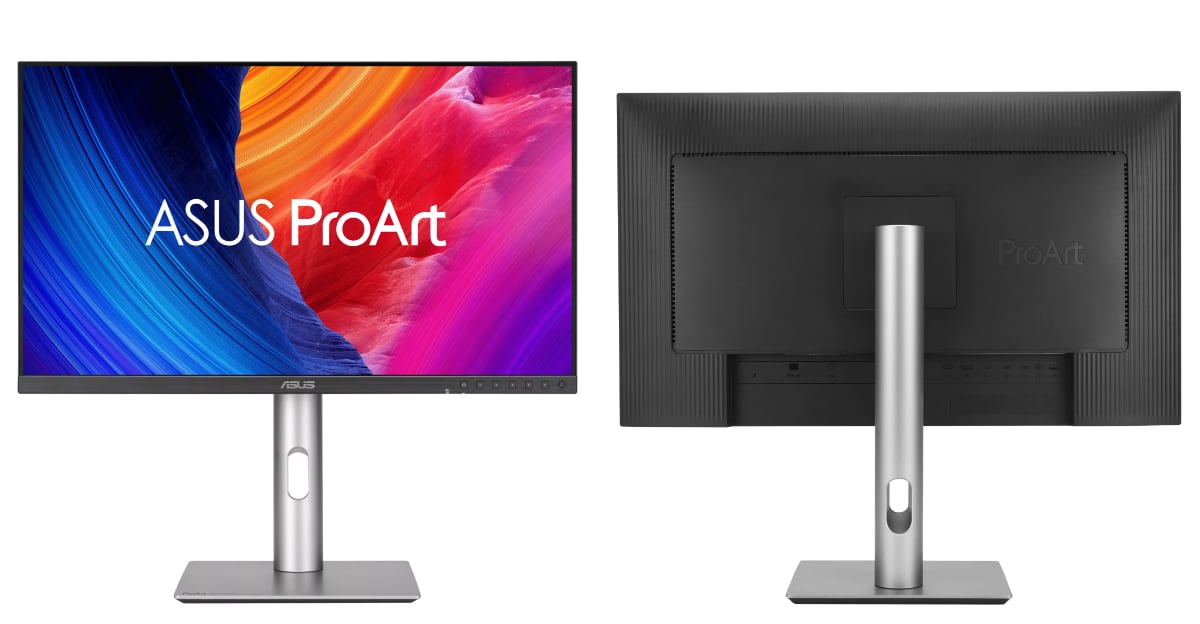
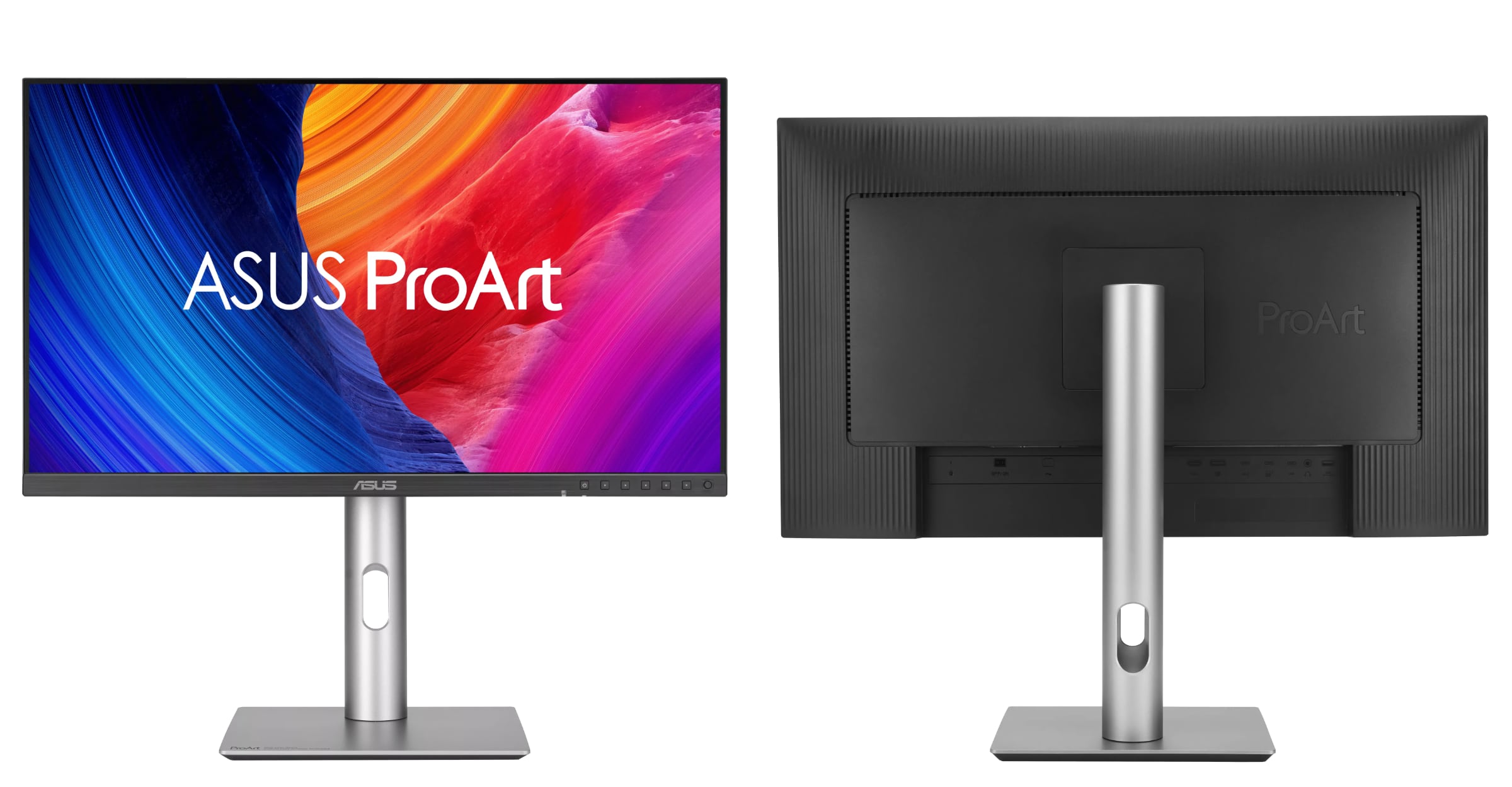
The Asus PA32QCV. Photo: Asus
Thunderbolt 5 or 4
The Asus PA32QCV features Thunderbolt 4 while the LG 32U990A is the world's first monitor featuring Thunderbolt 5. LG has not announced the price but it is listed at some European retailers for around 1500 Euro.
Thunderbolt 5 uses the USB-C port to deliver very high bandwidth – three times higher than Thunderbolt 4 – for video and data.
Also read: First 8K 120Hz panel could be ready by year-end
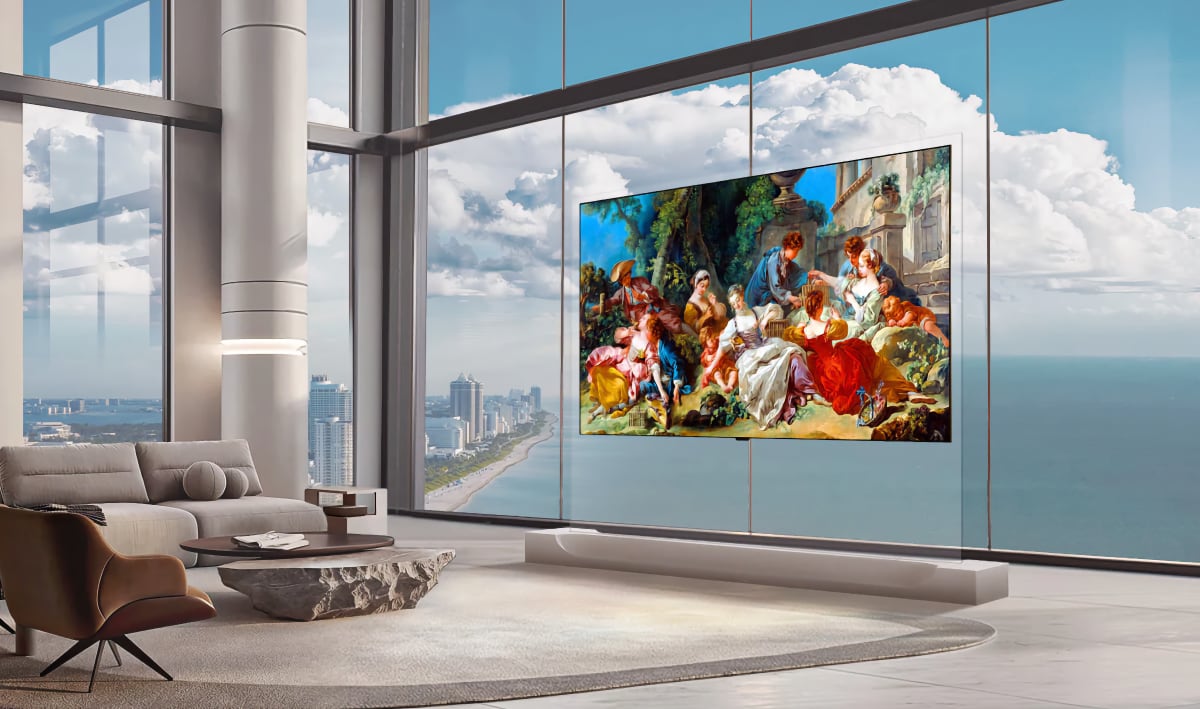
Unfortunately, the ultra-slim bezels depicted in LG's marketing photos for 32U990A at CES are not real. The monitor still has quite visible inner bezels. Already at CES, FlatpanelsHD questioned the accuracy of the photo renders as LG's monitor division has a habit of being "generous". The official photo below is also overselling the bezels.

The LG 32U990A. Photo: LG
Not HDR monitors
None of the two have LED or miniLED zone dimming so in terms of picture quality they are more comparable to Dell's 6K monitor than Apple's 6K monitor, as also reflected in the prices.
With the lack of local dimming, they are not fit for HDR, despite the manufacturers claims of HDR compatibility. HDR is easy to support in software but very hard to deliver in hardware – requires OLED or lots and lots of dimming zones with LCD. The two monitors are both DisplayHDR 600 certified, which is not actually capable of HDR.
If you are still looking for an HDR monitor to work with photos and videos, your wait continues. Apple's 6K monitor can technically do it, but it is not very good. Gamers and movie lovers wanting to enjoy HDR picture quality should turn their attention to QD-OLED and WOLED gaming monitors – these are not fit for graphics due to their funky sub-pixel layouts.