Smart TVs provide access to a world of streaming, but they also collect vast amounts of data about you – data that is used for advertising – and may even have malware. The trend is growing.
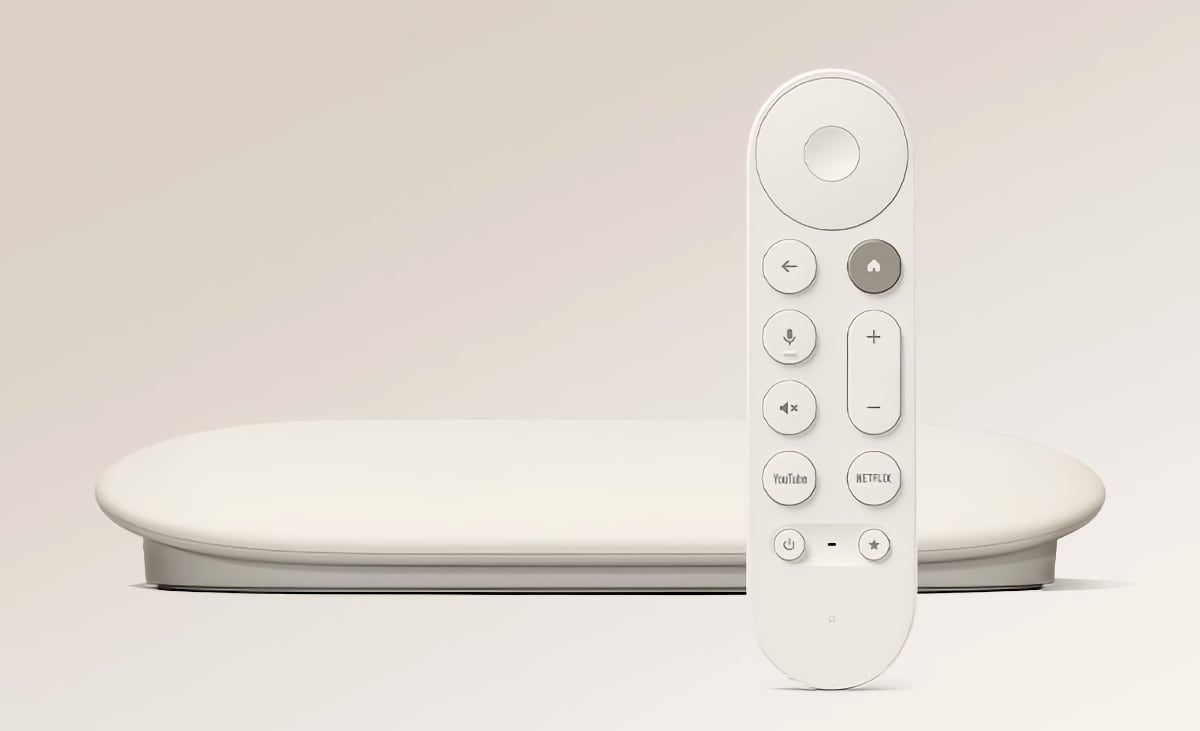
FlatpanelsHD has for years documented how data collection and advertising have become a cornerstone of Smart TVs, including Google TV, Fire TV, Tizen, webOS, Roku and more. The Center for Digital Democracy (CDD) has called them "privacy nightmares".
Another report has documented how Smart TVs constantly capture screenshots of everything you watch, even over HDMI, through so-called ACR (Automatic Content Recognition), as long as they are connected to the internet. Earlier this year, five TV maker were sued over this practice.
Data collection driven by ads
Data is collected to enable targeted ads on the TV, but even more often to target ads when you view content on other services or platforms such as PC and mobile. In other words, ads can follow you around the internet.
This does not mean that the Smart TV manufacturer controls the ads you see when streaming YouTube, but the collected data can influence which ads you are shown. It can also affect what content is recommended to you, and when. Likewise, your behavior elsewhere on the internet can shape which ads appear on your TV. Data about your habits and preferences is combined – especially if you have a user profile.
This helps explain why Smart TV manufacturers are currently eager to embrace free, ad-supported TV channels – so-called FAST.
Ads in the Smart TV interface have in several cases been introduced after purchase. This is possible because manufacturers can update the software, which they often do without informing owners about the changes. There is limited regulation in this area to protect consumers.
Also read: Guide: How to replace the Google TV interface and remove ads
You may already have noticed the increase in ads on your Smart TV, whether in the top carousel or on the homescreen, where many of the "recommendations" are paid placements. Or you may have seen ads when your Smart TV enters screensaver mode. There is also a growing number of ads on streaming services, but this lies outside the control of the TV manufacturer.
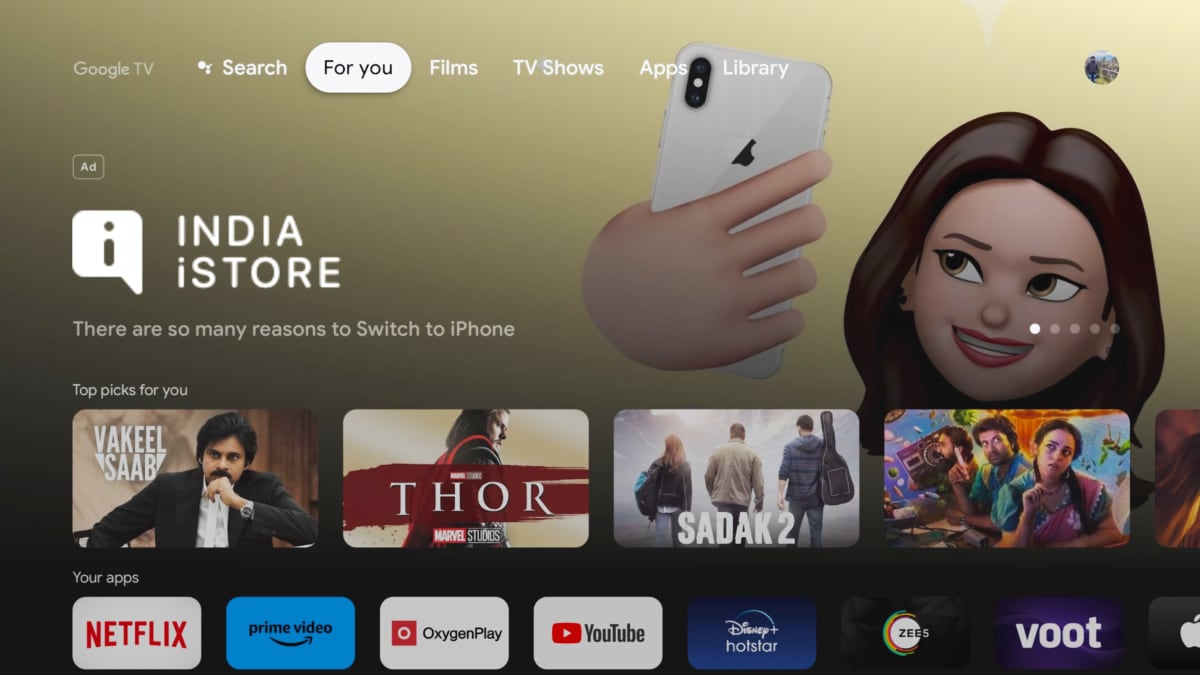 TV platforms show ads in the top carousel, and they are not always for new movies or series. The recommendations further down are also paid placements. Photo: VENKY61
Makes Smart TVs cheaper
Manufacturers argue that data is also used for product development, but this represents only a small part of the bigger picture.
Another argument is that it helps lower the upfront price of TVs, or at least keep prices stable. TVs are indeed relatively affordable at a time when many other products are increasing in price due to inflation. In effect, consumers get cheaper TVs by accepting participation in the advertising ecosystem.
However, the biggest winner remains the TV manufacturer, which can generate significant revenue from advertising over the lifetime of the TV – if you allow it. In the US, an experiment is underway where a Smart TV is given away for free in exchange for the user accepting ads and data collection.
A growing trend
This practice is driven primarily by US tech giants such as Amazon, Google and Meta as well as smaller players like Roku and Vizio, but Asian and European TV platforms are also joining the trend. In recent weeks, we have seen further steps toward making Smart TVs more ad-driven.
For example, Roku has linked over-the-air TV channels to an internet connection – two things that are not inherently related. This enables Roku to collect user data via, for example, screenshots (ACR). After user complaints, Roku has agreed to remove the requirement for an internet connection for traditional antenna TV. Complaints can make a difference.
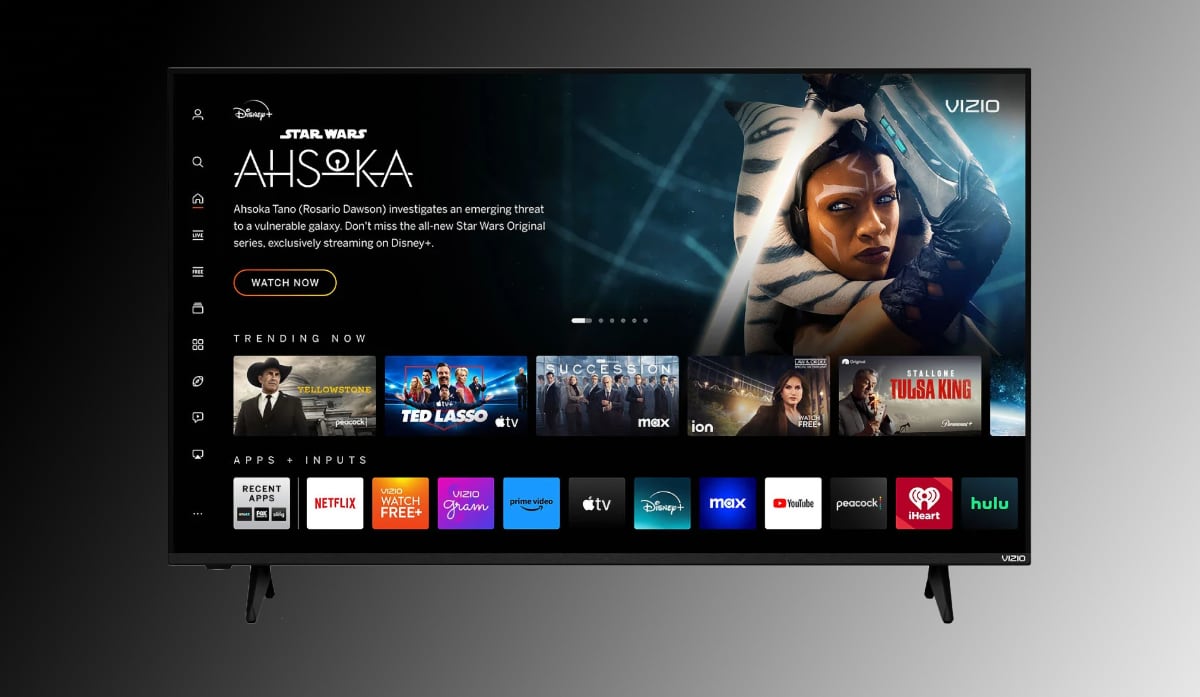 The US-based Vizio Smart TV cannot be used without an account with the retailer Walmart. Photo: Vizio
Malware, too
Your Smart TV may already be crawling the web while you watch movies, either to collect data for AI models or because it is part of a large botnet that can use your hardware and internet connection for both legal and illegal purposes. This suggests that your Smart TV is "open for business" – you are the product.
Such systems can be characterized as malware, although it is more commonly found on Chinese streaming boxes and Android TV devices built on the open version of Android – not Google TV.
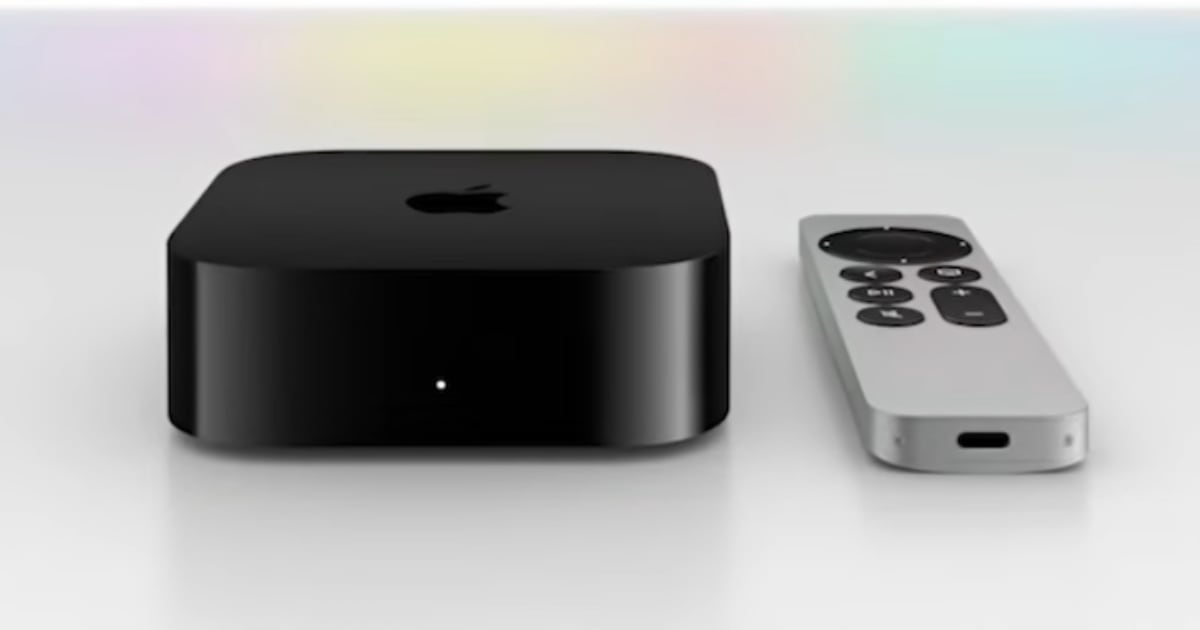
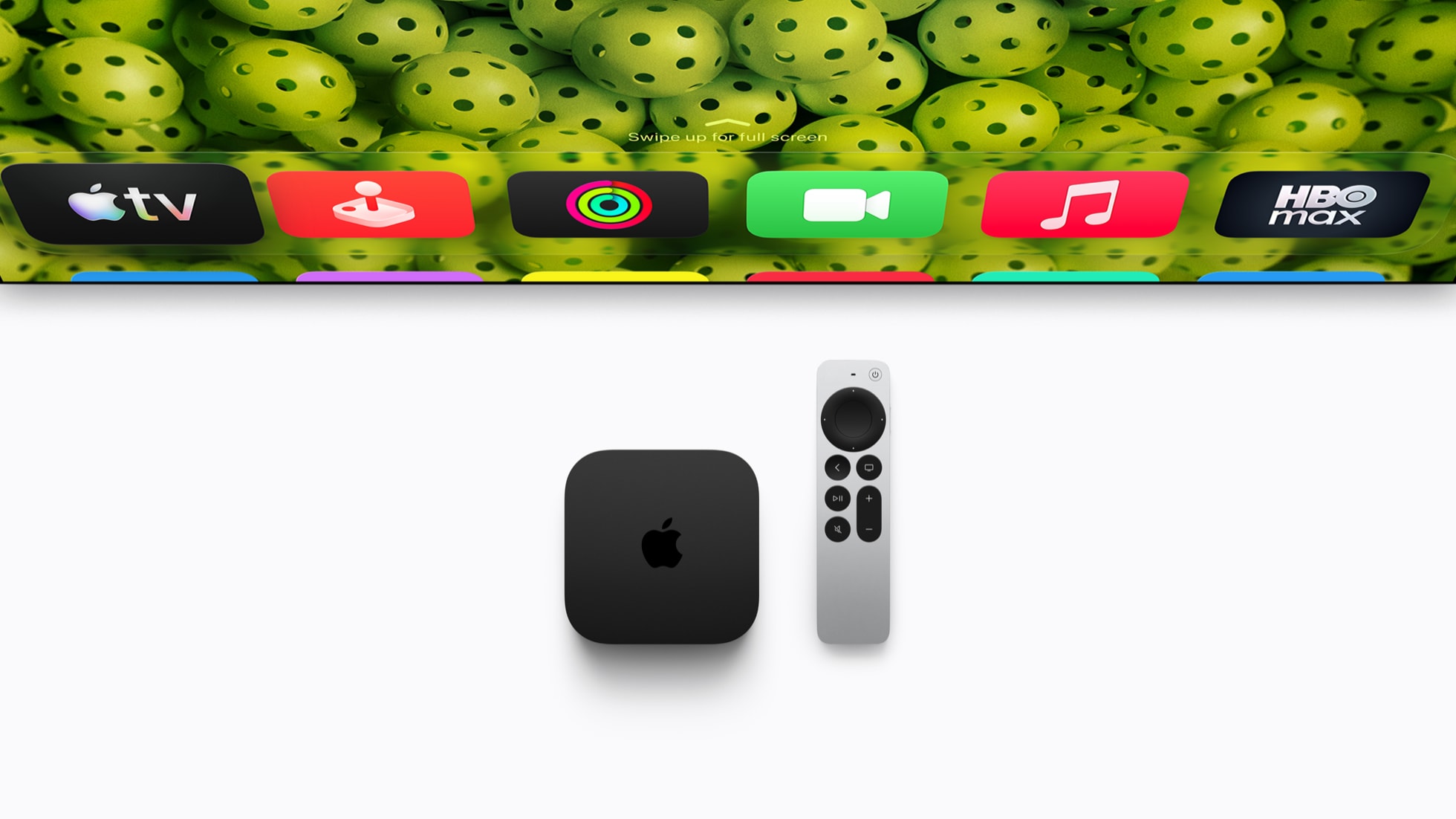
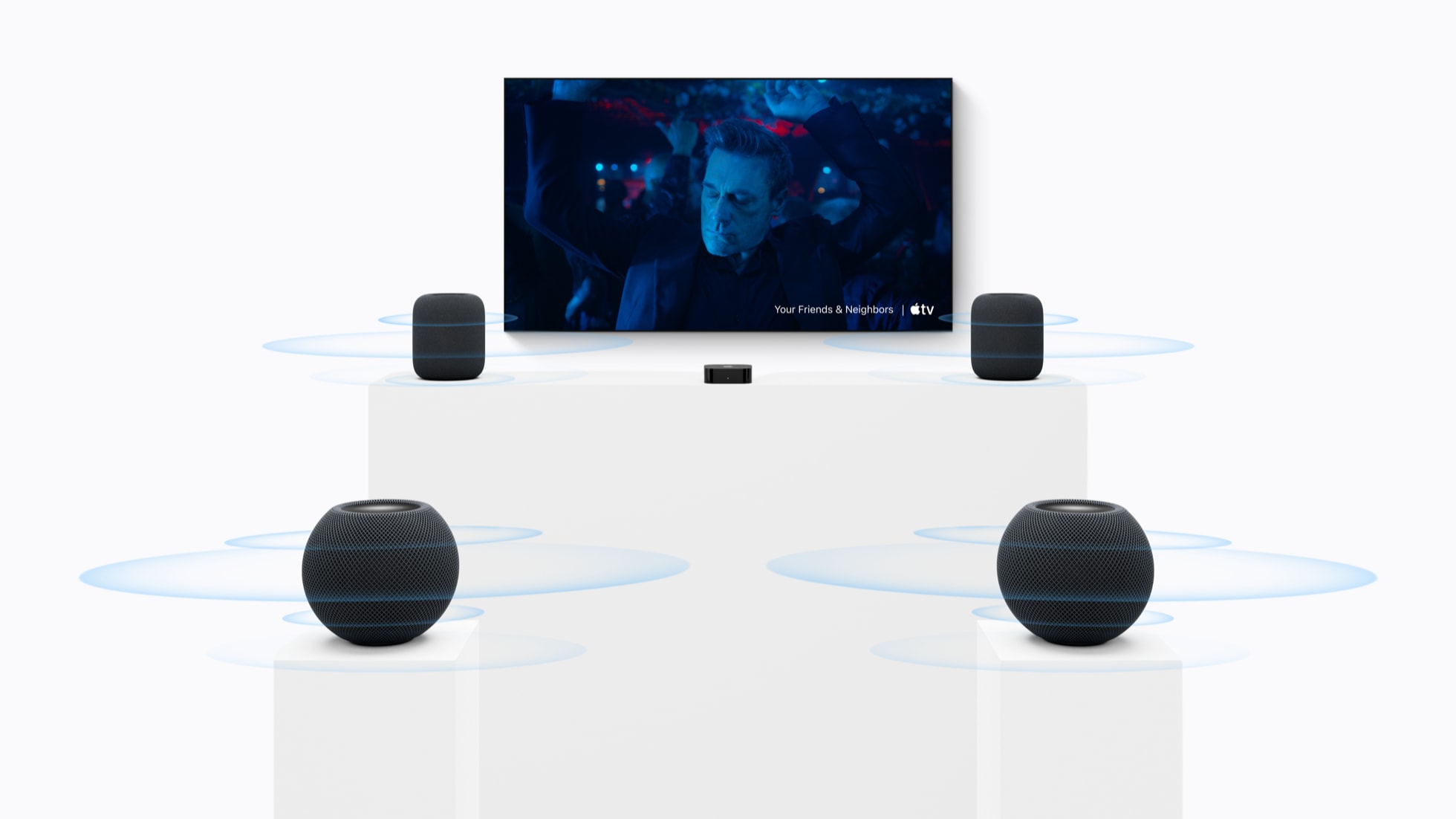
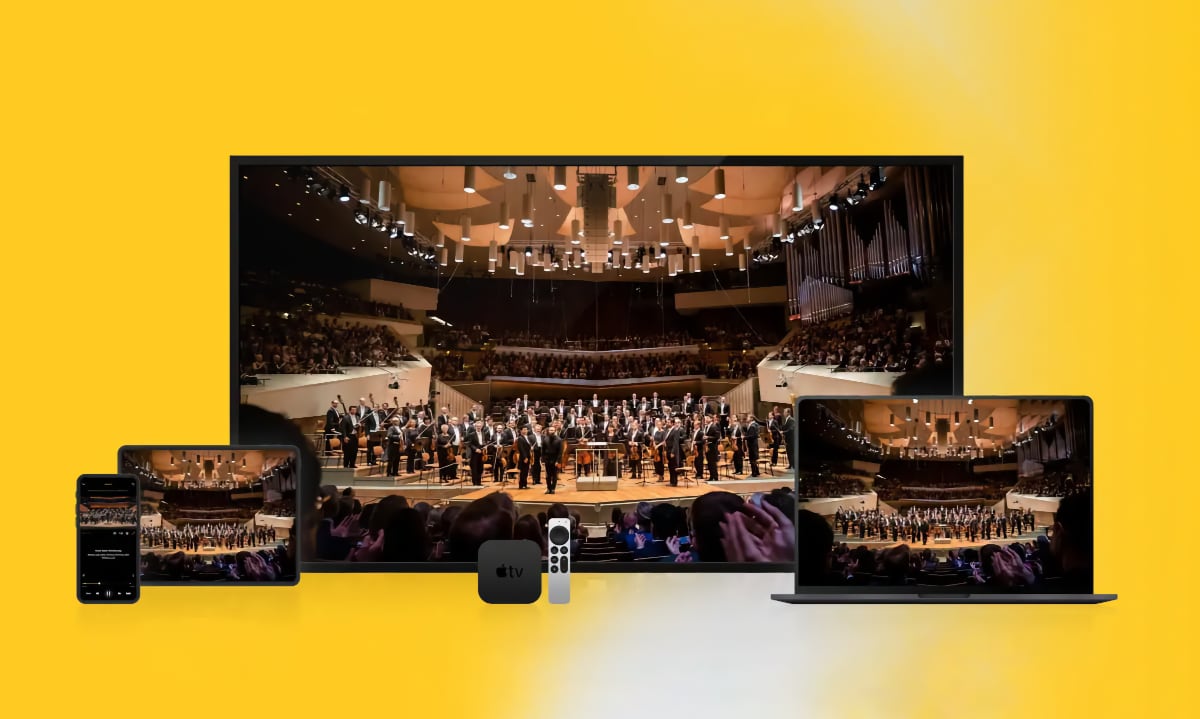
These are just some of the latest examples illustrating how Smart TVs are becoming increasingly ad-driven and data-hungry. An alternative without ads and extensive data collection is Apple TV 4K, built on Apple's tvOS, which does not use ACR or similar systems. However, you must remember to disconnect your Smart TV from the internet; otherwise data collection will continue in the background.
Also read: Review: Apple TV 4K (2022)