The announcement that Sony PlayStation plans to phase out game discs by 2028 signals the end of an era. Game discs have been with us for as long as many can remember, but they didn't actually start with PlayStation.
So how has this come to be?
Early history
We're now in the ninth generation of game consoles. Consoles of the first generation did not have removable media at all: They had a selection of games built in. There were no third and second party software developers or publishers. There was no content business separate from the hardware business. No recurring revenues either. Yours truly started with a Philips Odyssey 2100 using game paddles and running a selection of Pong variants.
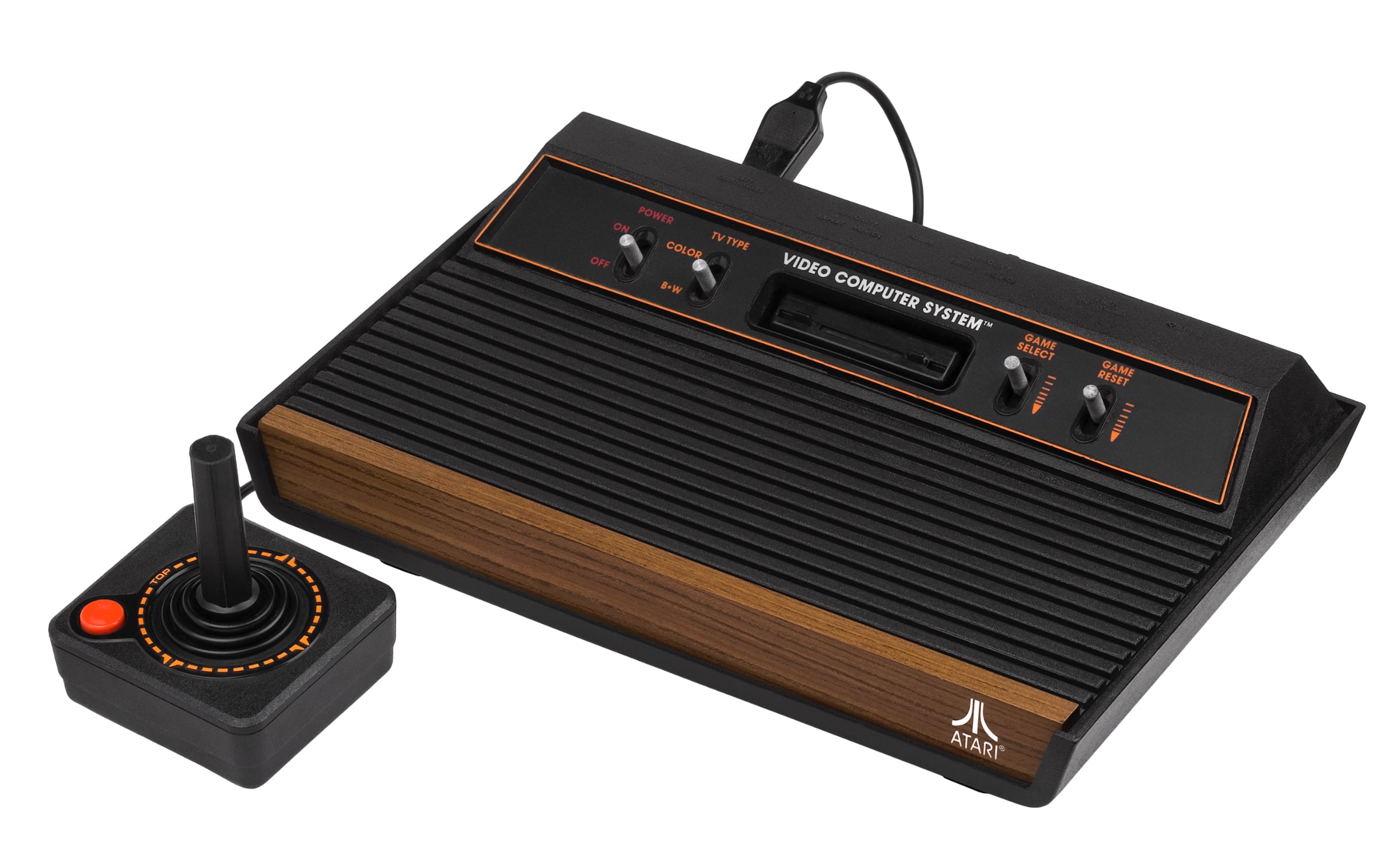
All this changed with the advent of the second generation, the most famous and most successful of which is of course the Atari 2600 VCS. These devices were already much closer to what we now think of as consoles, with removable media and joysticks. Other consoles of this generation you may remember or have heard of are IntelliVision, ColecoVision, Philips Videopac, and the MB Vectrex.
After the notorious crash of the videogame market around 1985, consoles came back and continued to evolve, with most notably the Nintendo Entertainment System/Famicom causing a boom that despite some 'bust' cycles continues to this day, without any further dramatic crashes.
Atari 2600 VCS was one of the first consoles to introduce video game cartridges. Photo: Atari
Game cartridges
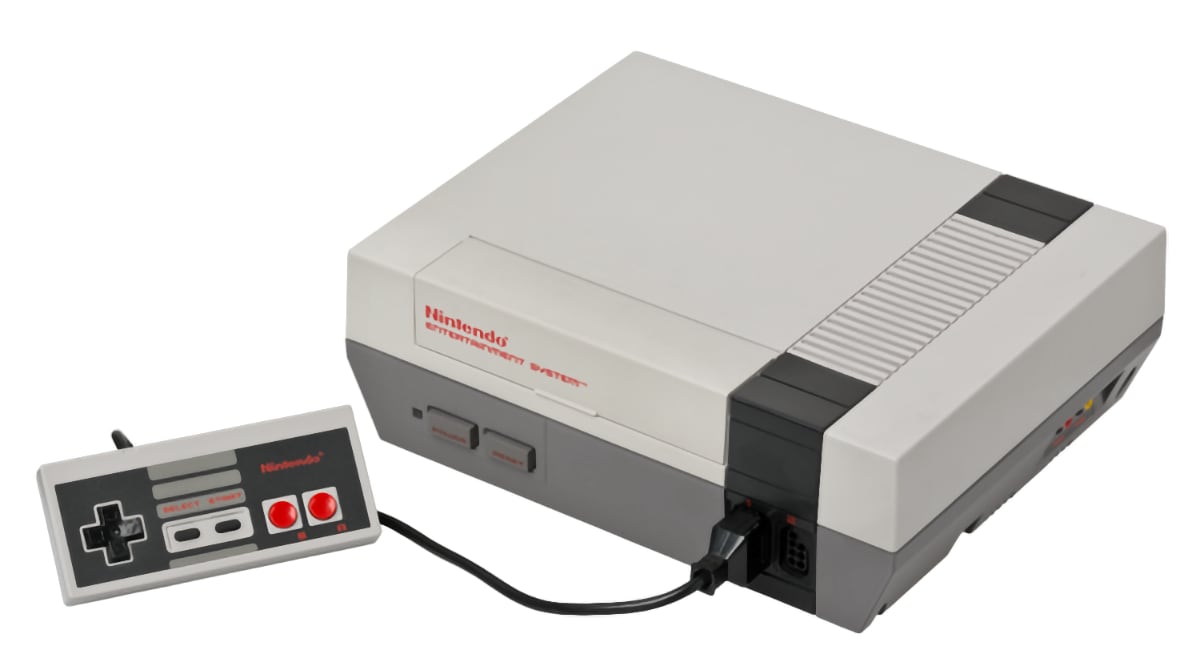
Like the generation before it, the third generation used game cartridges: the 'NES', Sega's Master System, the Atari 7800, and others. These ROM cartridges had several strong benefits. Above all, extremely fast memory access and high transfer speeds, leading to short loading times.
They had several drawbacks, too. ROM cartridges were expensive to manufacture, and had extremely long lead times of weeks or even months. This meant enormous business risks. The success of videogames, like movies, has always been hard to predict. If, as a game publisher, you ordered conservatively but your game proved a hit, it could take you ages to order extra supply, and you'd have lots of lost sales. If you were optimistic and ordered big quantities but your game flopped, you were stuck with tons of expensive inventory.
The Nintendo Entertainment System, or NES, used ROM cartridges and was one of the most popular third-gen console. Photo: Nintendo
CD-ROM
Then CDs came along. Audio was the application that launched the 12cm optical disc format. Video came much later, after games, except if you look back further. CDs are effectively a spin-off from the LaserDisc format; the 12-inch/30cm optical discs that Philips developed in the 1970s for movies. Bear in mind, though, that aside from time codes and frame numbers, LaserDiscs are mostly analog.
Not long after the launch of the audio CD, engineers at Philips and Sony started working on CD-ROM, and launched it in 1985. These discs were read-only, but the capacity of about 600 MB was radically more than the 1.44 MB that 3.5-inch Floppy Disks could hold.
The first applications for CD-ROM were things such as library indexes: massive amounts of text. Multimedia came later, after introduction of the 'High Sierra' file system in 1986 and the 'XA' extension of the format that allowed interleaving of data, audio, and video.
The first game discs
The fourth generation of consoles, the 16-bit generation, was largely an extension of the previous one, the 8-bit generation. The Super NES succeeded the NES; the Sega Genesis/MegaDrive was the follow-up to the Master System, and these used game cartridges, as did the Neo Geo.
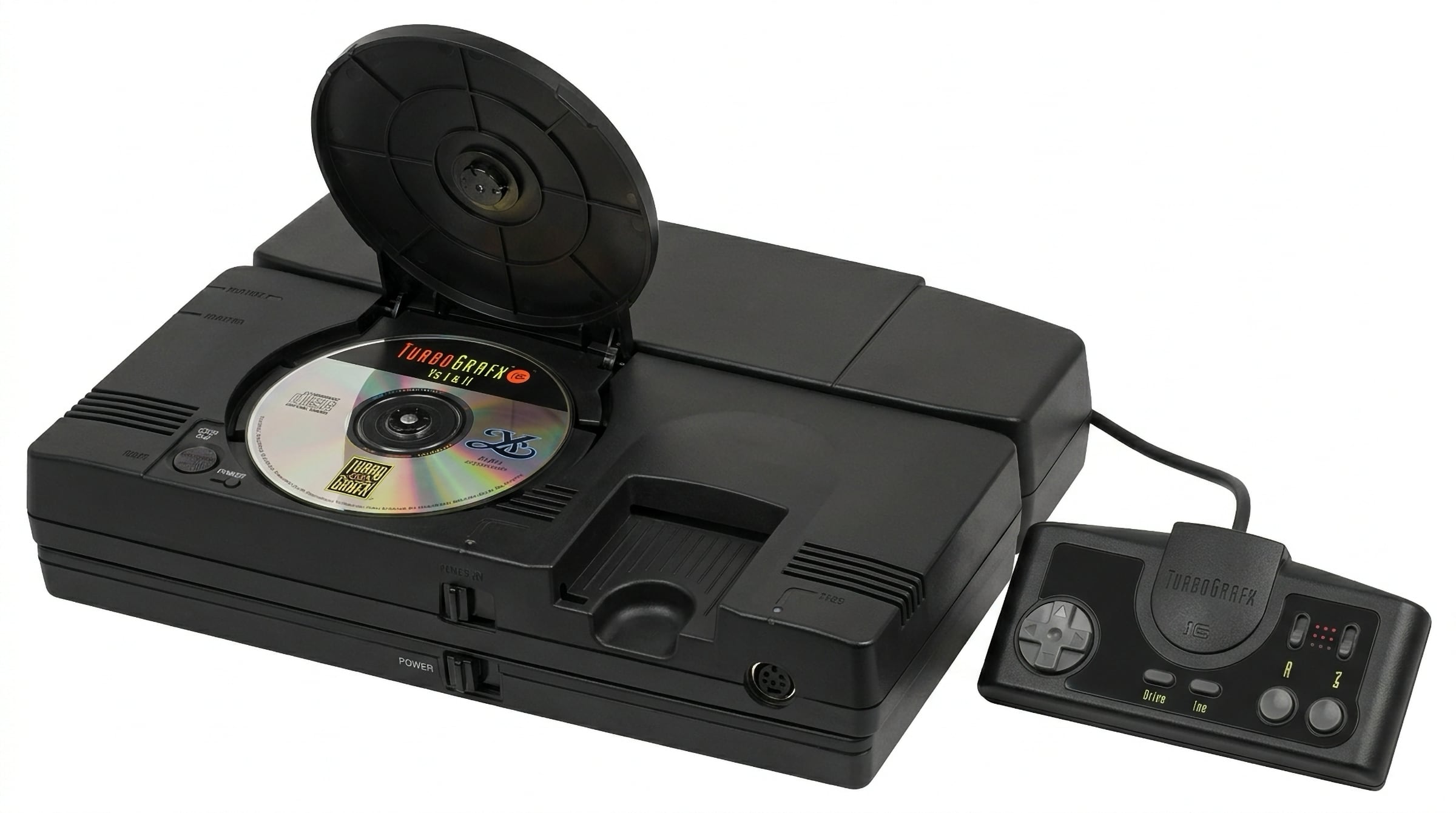
The first console to embrace CD-ROM however was also part of this generation: The NEC 'PC Engine', marketed in North America as 'TurboGrafx-16', got a CD-ROM drive attachment in 1988.
The TurboGrafx-16 eventually got a CD-ROM drive
Philips' CD-interactive system, CD-i for short, launched in 1990. It was a versatile product that could do education, games and infotainment, and is also regarded as part of this generation of consoles.
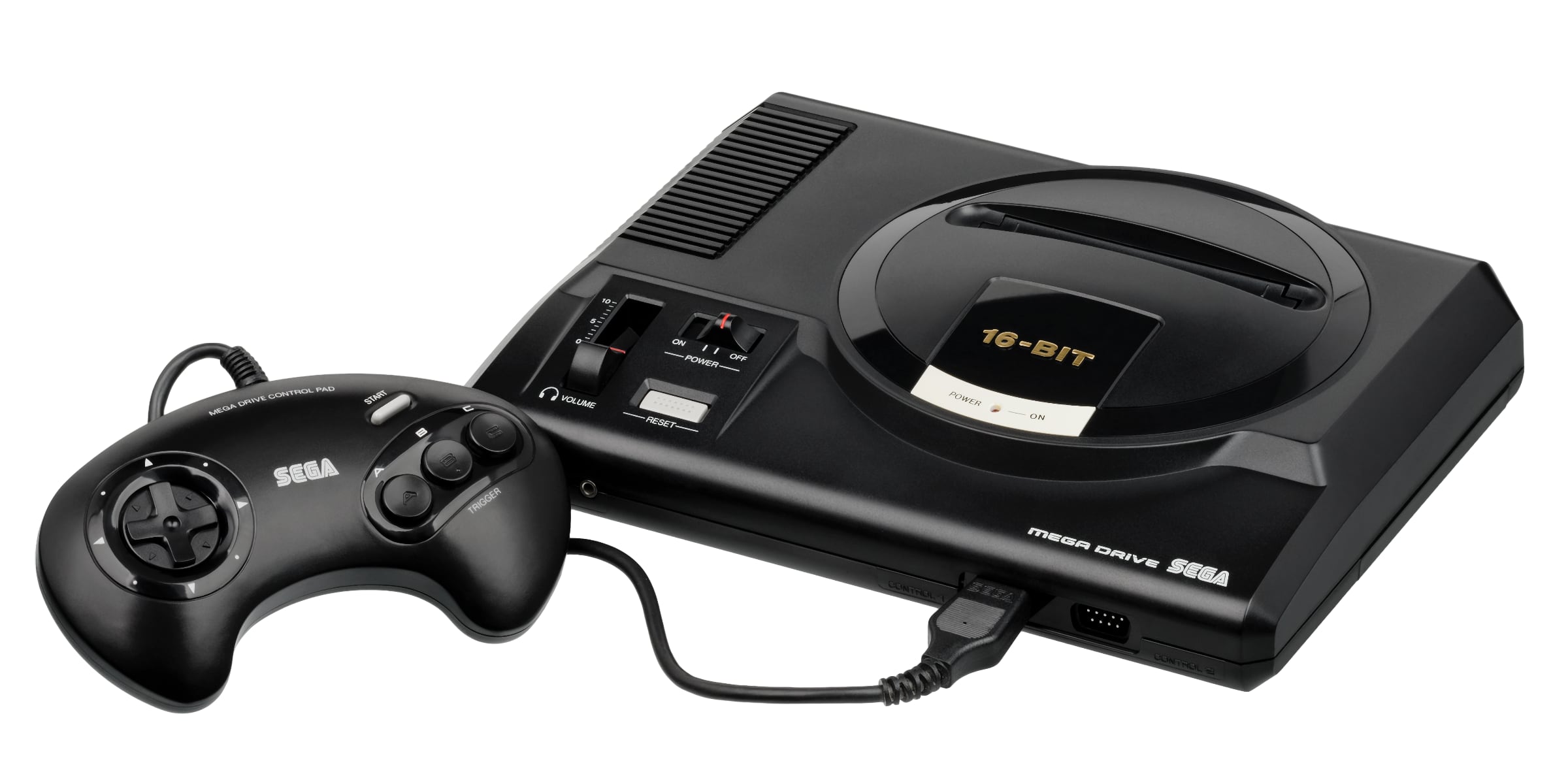
Sega was very prolific with new hardware iterations. After the 32X extension module they launched a CD drive around 1992 known as Sega CD and Mega-CD.
Nintendo's plans for a SNES CD add-on, despite falling through, are well-known even if not very well-documented. Of course, they're historical because the cancellation of the collaboration with Sony led to Sony PlayStation.
Sega Genesis, or Sega MegaDrive, used ROM cartridges but later started supporting video game optical discs via an add-on module. Photo: Sega
The first true CD console generation
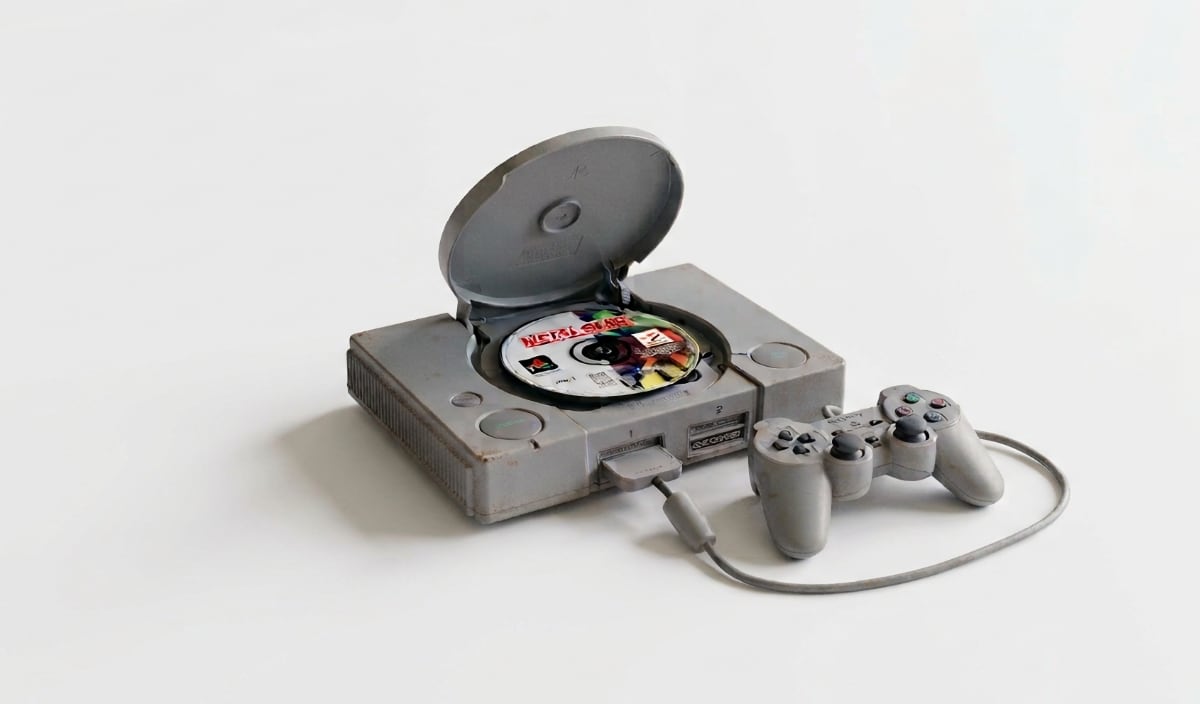
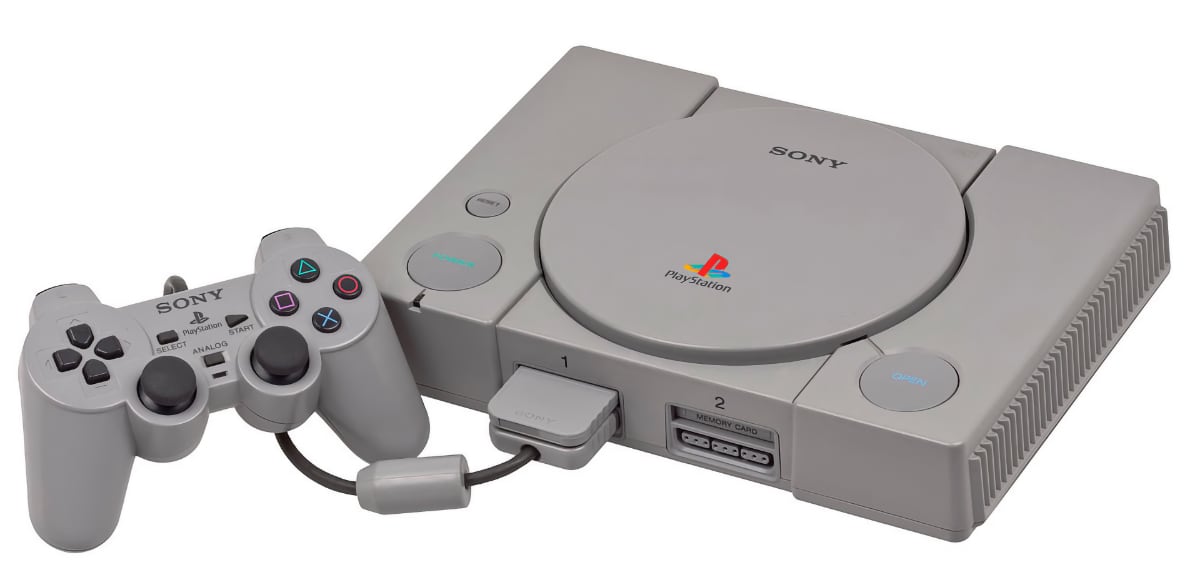
The fifth generation of consoles, with mostly 32-bit architectures, marked the true breakthrough of game CDs. This generation is best know for the original Sony PlayStation, which was the undisputed winner in this competition, and went on to sell over a 100 million units over its lifetime, well surpassing the NES – the most successful console ever up to this point. PlayStation used CD-ROM discs with a unique feature: They were black instead of silver-coloured – a trick made possible by the fact that CDs use an infra-red laser. The PlayStation discs were reflective for IR wavelengths but not for visible light.
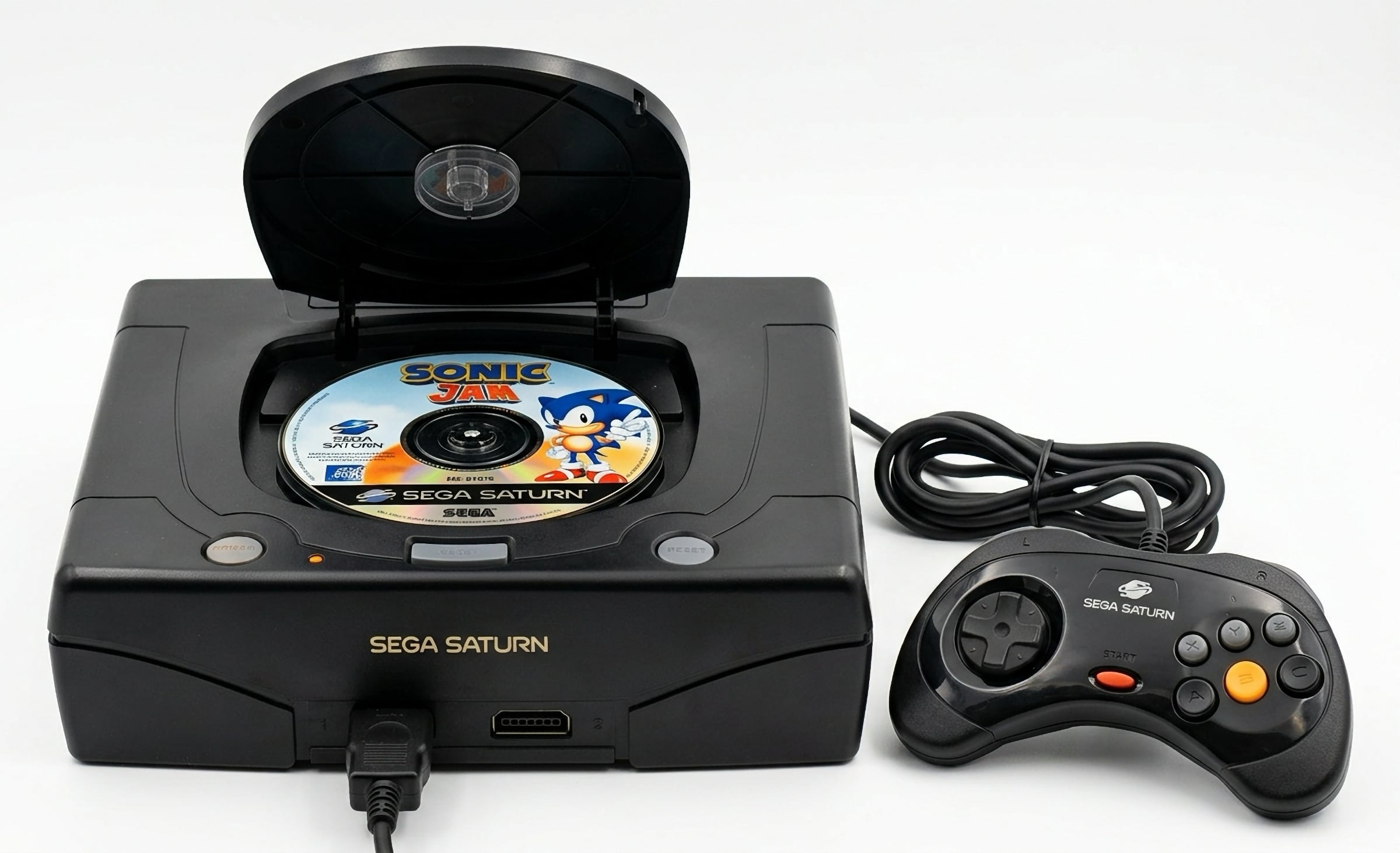
Sega Saturn was CD-based
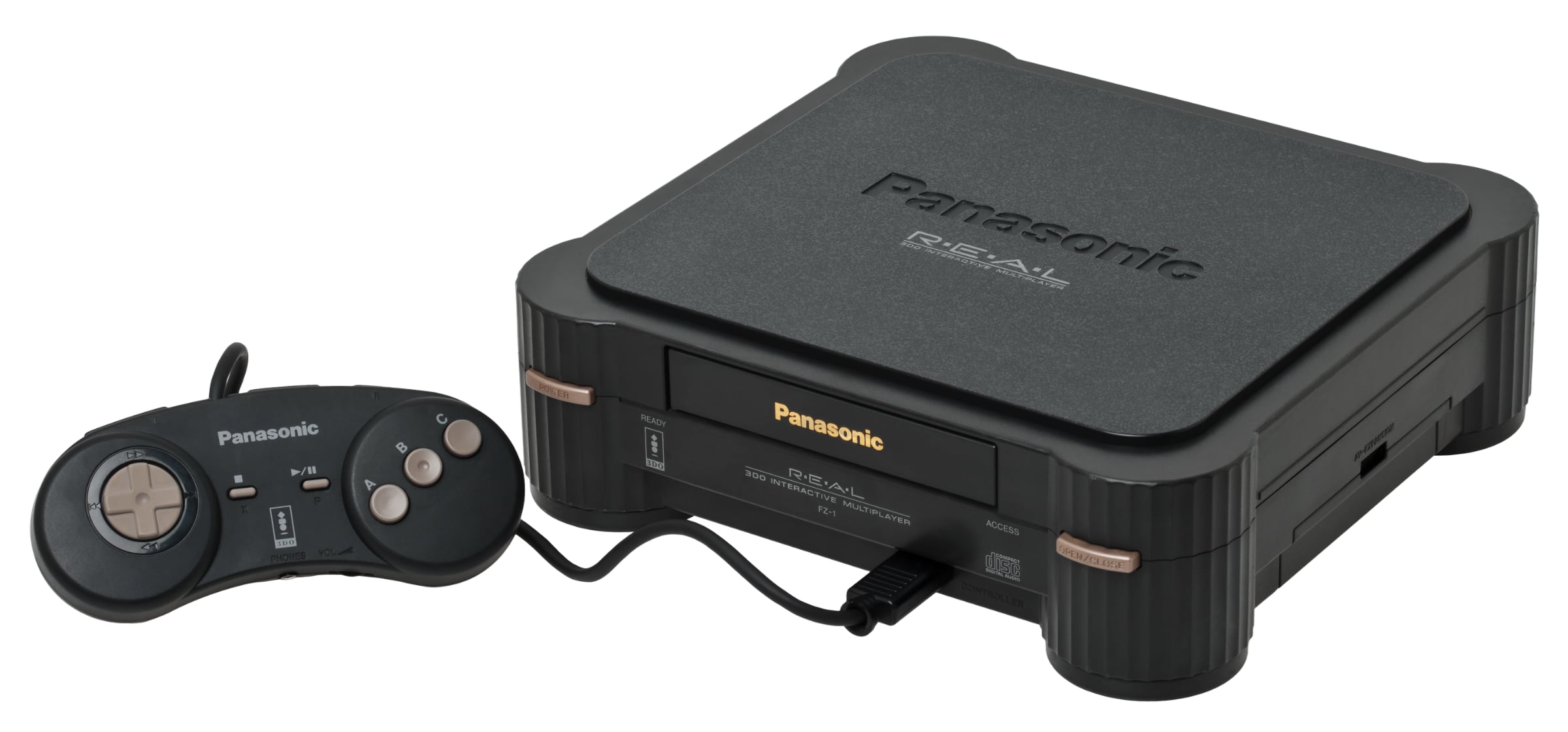
Sega's entry was the CD-based Sega Saturn, and another serious contender was the 3DO platform, the brainchild of Electronic Arts co-founder Trip Hawkins. 3DO licensed its CD-based format to consumer electronics manufacturers such as Panasonic. Other, less successful entries included the Atari Jaguar, which had an optional CD extension, and Commodore's Amiga CD32 console.
The 3DO used a CD-based format
The one notable hold-out was Nintendo. The company launched the cartridge-based N64, arguing that only cartridges could provide the required ultra-short loading times. Piracy concerns also played a role.
The original PlayStation was the breakthrough game console designed from the ground up for video games on optical discs. Photo: Sony
After CDs: DVDs
The sixth console generation was exclusively based on optical discs. Even Nintendo turned. This wave launched in 1998, shortly after the introduction of the DVD-Video format (1996 in Japan, 1997 elsewhere).
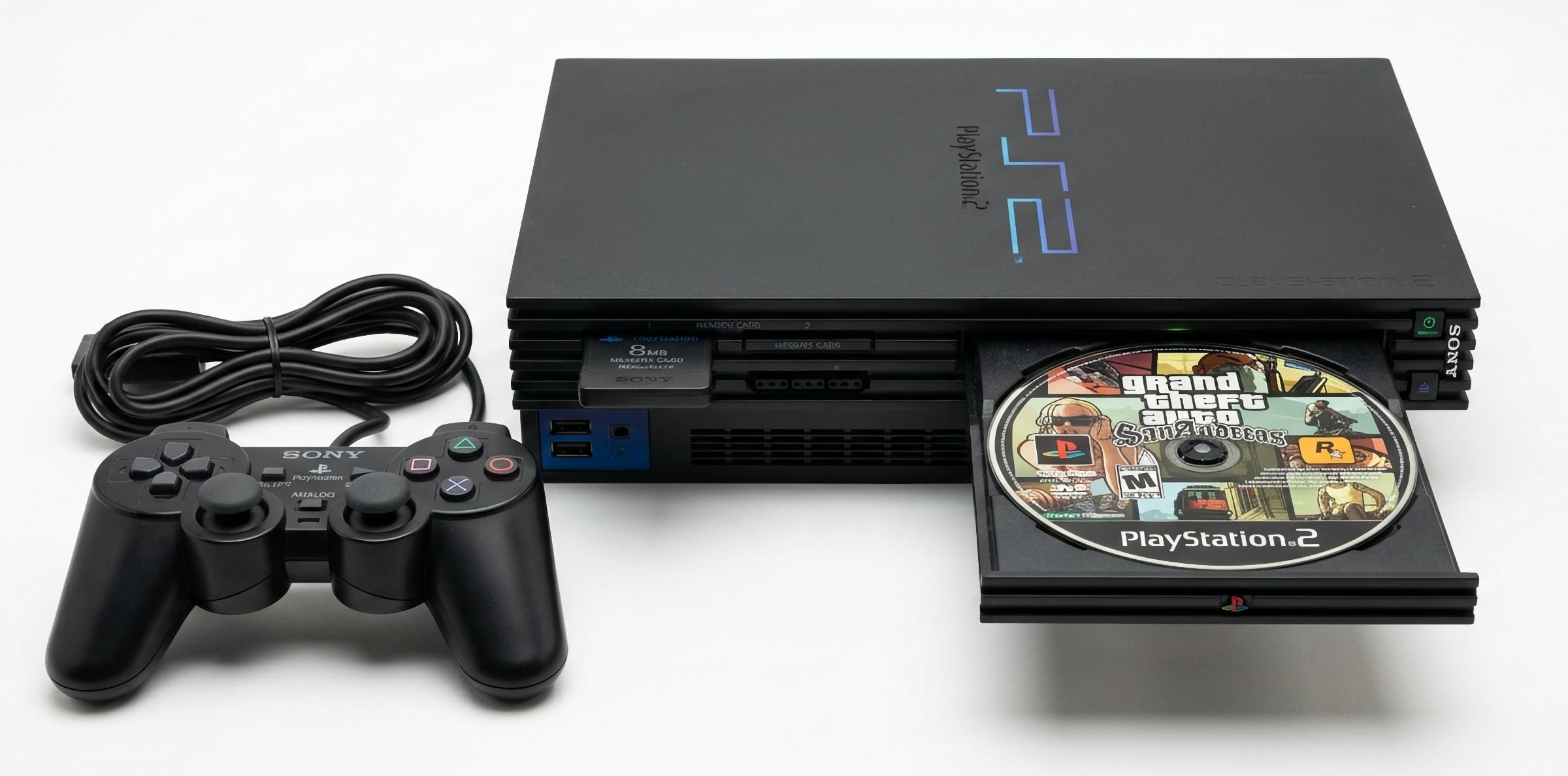
PlayStation 2 used DVD-ROM discs with 4.7 or 9 GB capacity on single or double-layer discs, read by a laser with a shorter wavelength: red light.
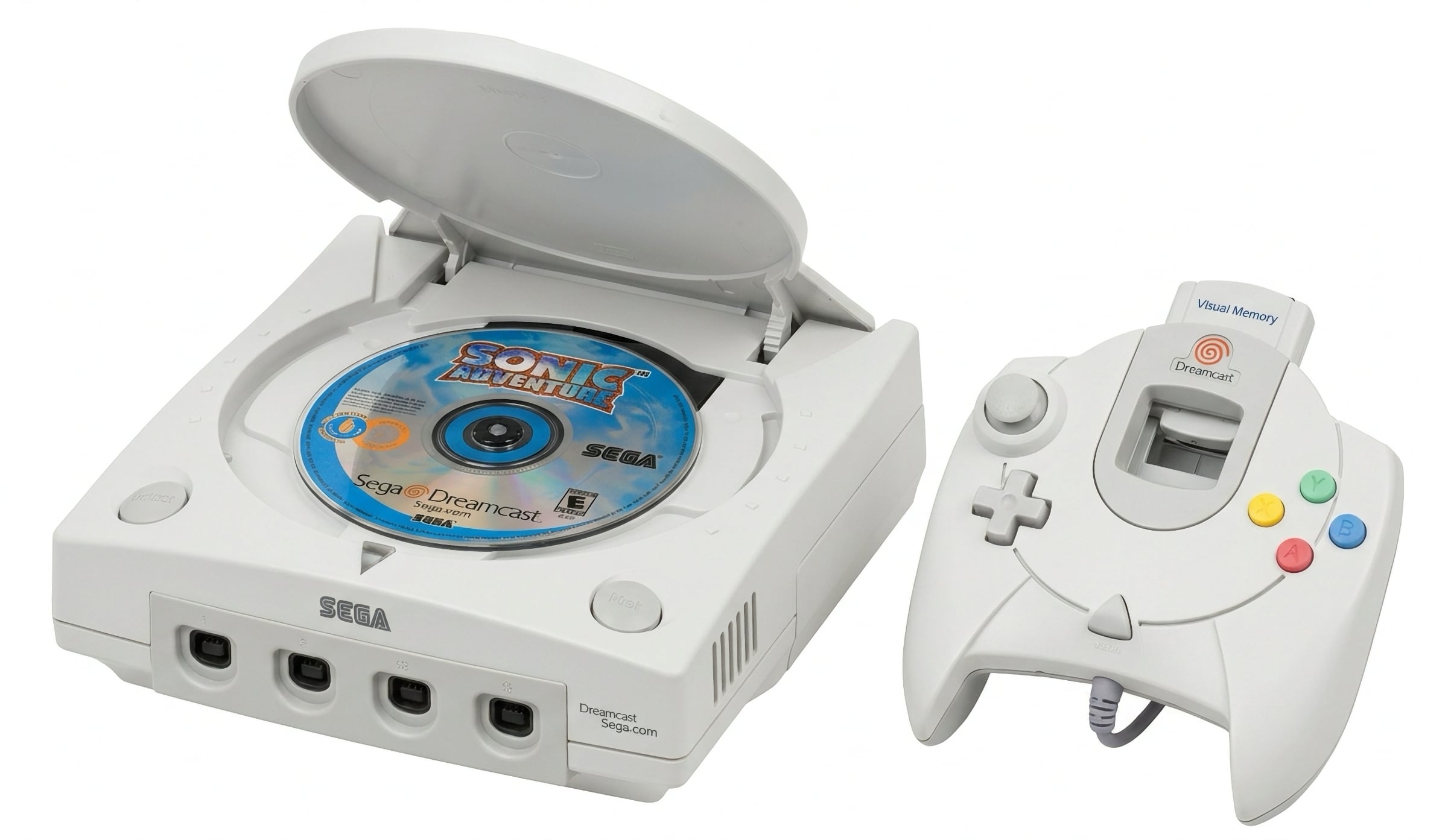
Sega DreamCast used GD-ROM discs
Sega's Dreamcast used discs they called GD-ROM – a proprietary disc format developed in collaboration with Yamaha that could hold up to 1GB.
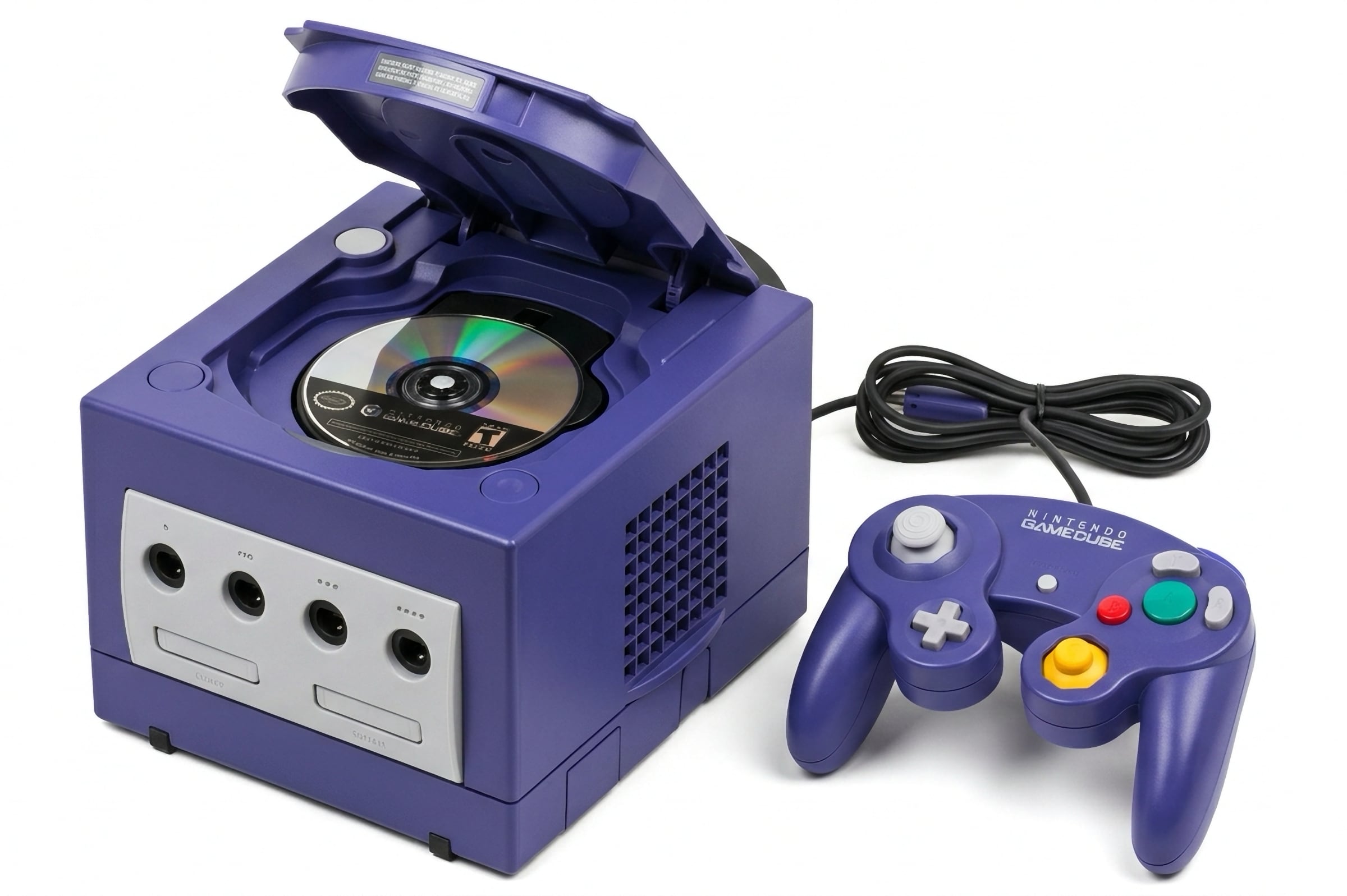
Nintendo's first disc-based console, the GameCube, used 8cm discs of 1.5 GB capacity, developed together with Matsushita/Panasonic, essentially mini-DVDs.
Nintendo GameCube uses 8cm discs, essentially mini-DVDs
Sony had a special trick up its sleeve: PlayStation 2 could play DVD-Video discs, and for millions of people this was their first DVD player.
PS2 went on to convincingly win this generation, selling even far more units than PS1: about 130 million by the time the next generation launched, but growing to 160 million units eventually.
PlayStation 2 – the best-selling console to date – switched to DVD-ROM for video game discs
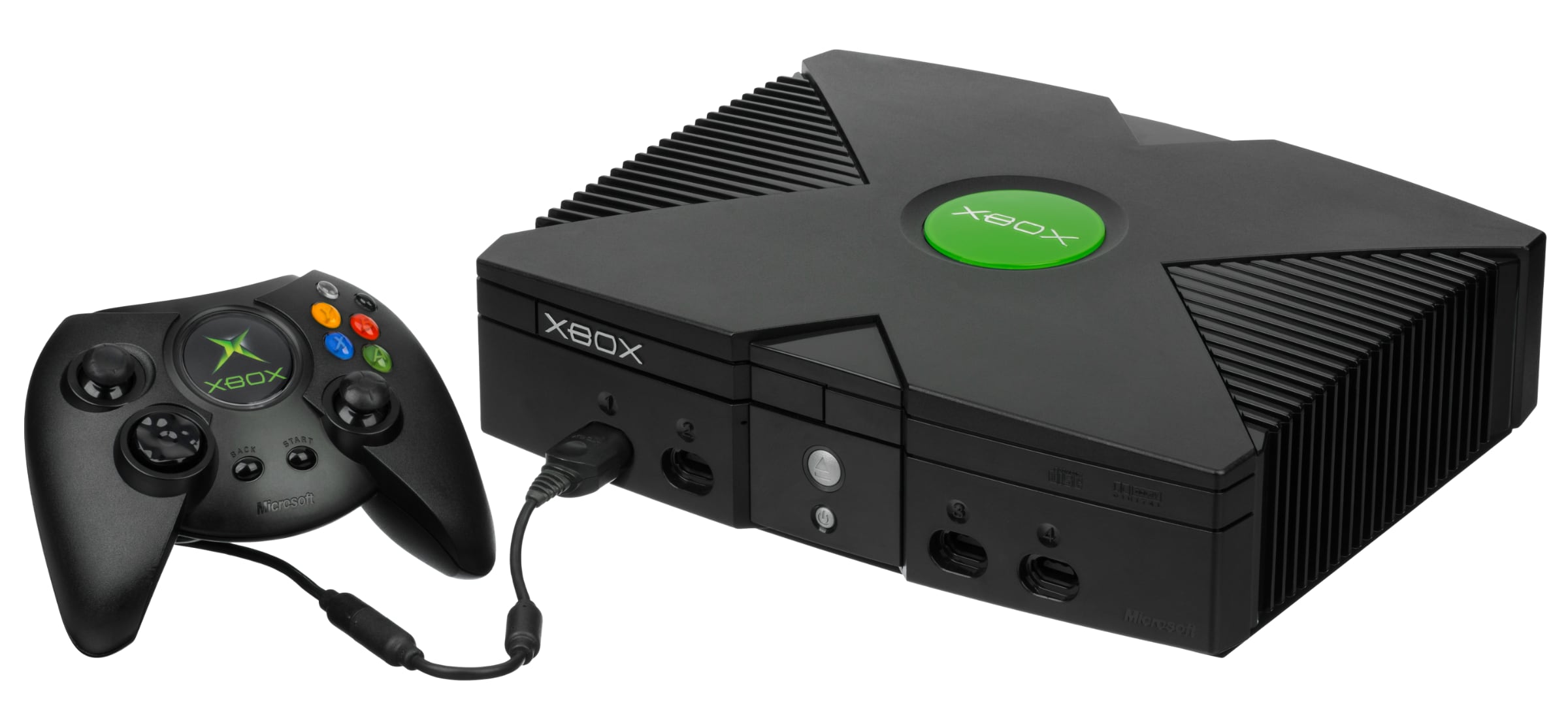
The second place however was not taken by Nintendo or Sega, but by newcomer Microsoft. Their DVD-ROM-based Xbox console sold 24 million units – far less than Sony, but still more than the two 'classical' videogame hardware companies.
Sega dropped out of the race. The many successive hardware platforms which had cost tons of money to develop but had sold only modestly proved too expensive to sustain. The company was forced to focus on software from this point on.
Note that up to this point in time, each generation had seen new contenders that really shook up the market, even if not always beating the market leader in sales. This now came to an end. Each generation after this would see the same three companies competing – a clear sign of a maturing market.
The original Xbox launched during as part of the sixth console generation with a DVD-ROM drive for video game discs. Photo: Microsoft
Yet more capacity: blue lasers
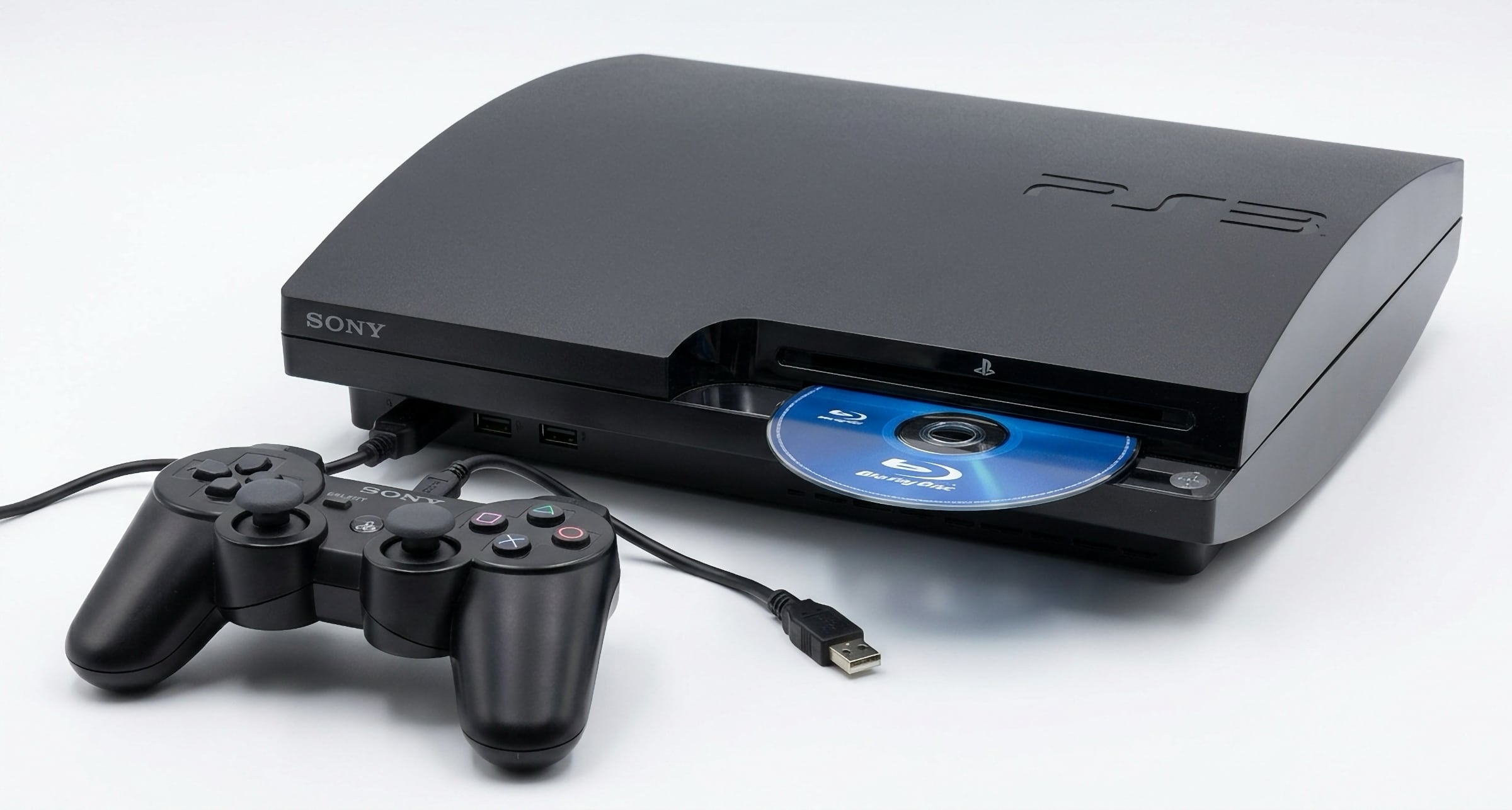
Blue LEDs and lasers had been extremely complicated to achieve, but once developed and commercialised around the turn of the century, they enabled even higher-density optical discs: Blu-ray Disc and HD-DVD, with capacities up to 50 GB and 30 GB, respectively. Sony, which has been the driving force behind the Blu-ray Disc format, of course chose BD-ROM as the storage format for PlayStation 3.
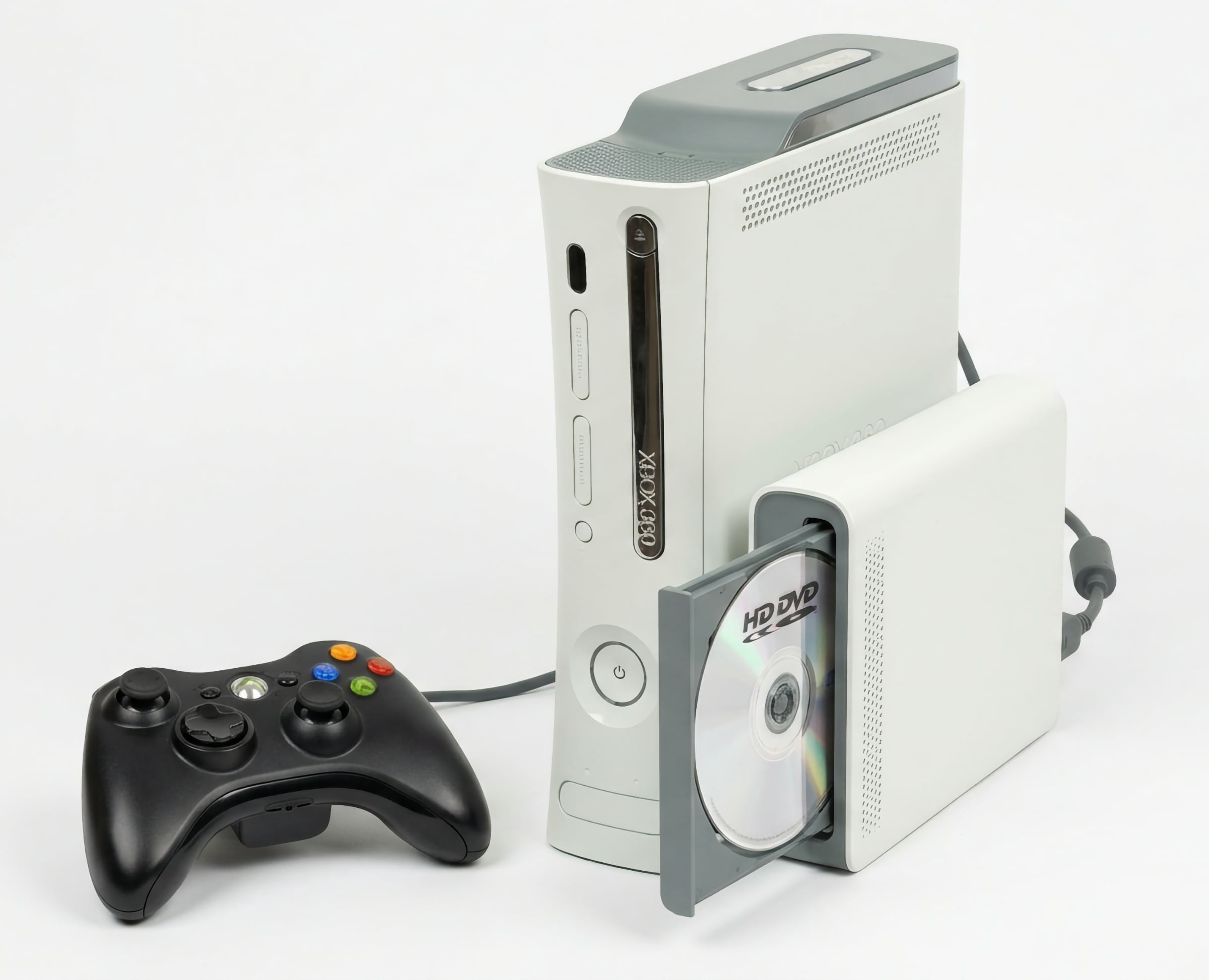
Microsoft stuck with CD and DVD-ROM for game discs, but launched an HD-DVD drive as a peripheral for their Xbox 360.
Microsoft launched an HD-DVD drive for Xbox 360
It's fair to say the inclusion of Blu-ray Disc in PS3 helped determine the fate of HD-DVD in the format war between these two standards.
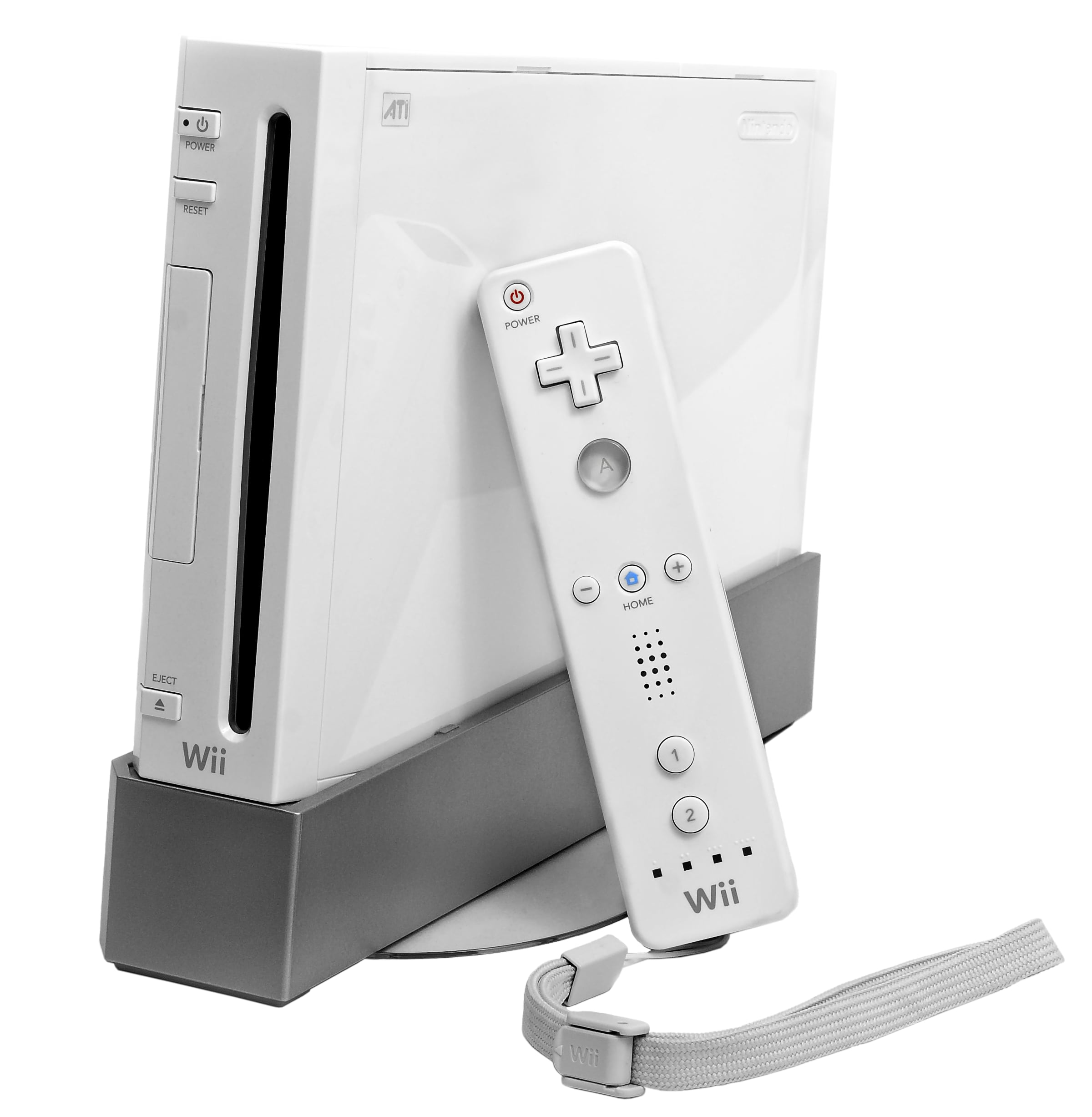
Nintendo did not use a blue laser but they did have a 'Blue Ocean' strategy, which meant they decided not to compete head-on with Sony and Microsoft. Their Wii console used 12-cm DVD-ROM discs.
PlayStation 3 switched to a Blu-ray drive for both games and films. It also helped Blu-ray outcompete HD-DVD
This seventh generation of consoles was the first one to have internet connectivity built in from the start, not as an optional add-on using clumsy accessories. More than ever, the PlayStation and Xbox of this generation were true versatile media hubs, playing music and movie discs but also offering audio and video streaming, with downloadable apps for Netflix, Amazon Instant Video (later Prime Video), and YouTube, to name a few.
The first 7-8 million units of PS3 even supported Super Audio CD – the next-generation CD format developed by Sony and Philips that offered high-resolution and multichannel music. Perhaps, the overlap between gamers and audiophiles proved smaller than Sony and undersigned had hoped for. Sony removed SACD support (a feature which didn't come for free) from the third hardware iteration on, forced by enormous cost pressure. Sony had effectively been forced to launch PS3 before it was commercially ready. It was technically ready but about $100 too expensive. Once Microsoft launched however, Sony could not afford to stay behind.
Microsoft nearly managed to overtake Sony in terms of sales: 84 versus 87 million units, but both were beaten by Nintendo in this generation. Cumulative Wii sales have exceeded 100 million units.
Nintendo Wii was the best-selling 7th-gen game console. It relied on DVD rather than Blu-ray. Photo: Nintendo
The 8th generation: Same companies, same formats
Sony made sure to avoid the expensive mistake they made with PS3. That console had had a very exotic architecture. PlayStation 4 would be far more straightforward and more similar to the common PC architecture (and thereby to Xbox).
PS4 used BD-ROM, as did Xbox One. Nintendo stuck with DVD-density discs for their Wii U.
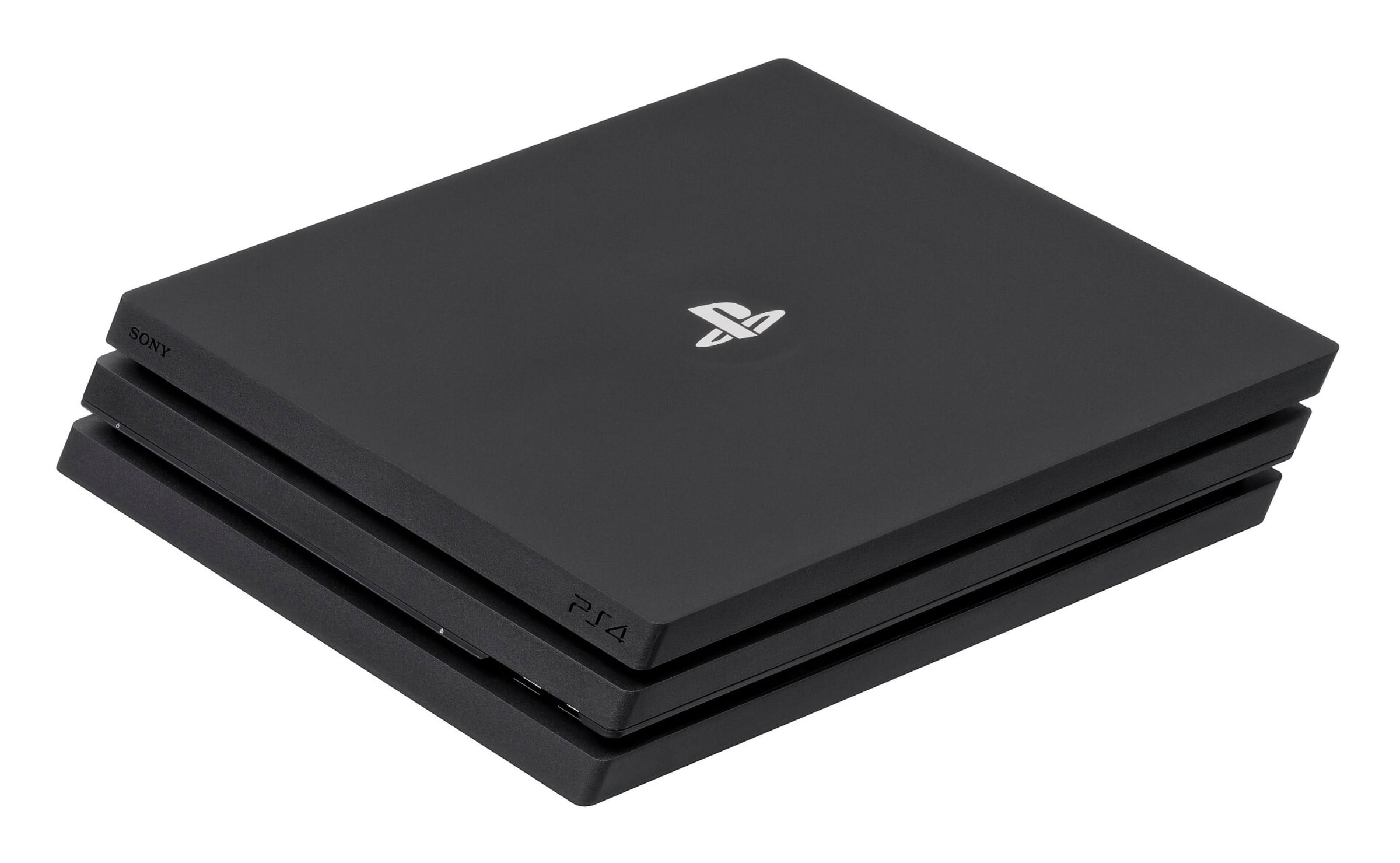
Although the console market had matured to such an extent that each new generation saw the same three companies competing, the eight generation introduced a new phenomenon: a hardware upgrade mid-way through the cycle. Sony launched the more powerful PS4 Pro four years into this cycle, Microsoft introduced the Xbox One X.
By this time, the Ultra HD Blu-ray format for 4K HDR movies had been launched, which wasn't the case when the original PS4 and Xbox One came to market. To many people's surprise, including mine, PS4 Pro did not support UHD BD – a decision for which Sony offered only flawed excuses. In this article I've looked at what may have been behind this decision.
Surprisingly, PlayStation 4 Pro launched without an UHD Blu-ray drive. Photo: Sony
Another surprising spec point was that PS4 did not play Audio CDs. This was pretty much the first optical disc-based product ever that did not support CD-DA. Following backlash about that, Sony said they'd look into fixing that, but they never addressed it. The fact the PS5 lacked the function also is the clearest indication this was a conscious choice all along. Sony has never let on what was behind the decision, so we can only speculate. Surely it wasn't about protecting CD Player sales, as these were already low by this time. A more credible explanation is Sony was trying to steer users towards its proprietary streaming service Music Unlimited, originally launched in 2010 as part of its Qriocity platform. It's ironic then that Sony closed this in March 2015, barely a year after the launch of PS4.
Because of poor sales of the Wii U, Nintendo decided to introduce their next platform sooner, and so the Switch is sometimes regarded as part of this same generation. It's probably fairer to say Nintendo is simply on a path all of its own, not directly competing with Sony and Microsoft, but also not in sync with them.
In the nineties, I hypothesised that future platform launches would likely be out of sync, to avoid the boom/bust nature that had characterised the console business up to that point, but that hasn't happened. It turns out that console makers need the hype you get when competing head-to-head and launching new platforms almost simultaneously.
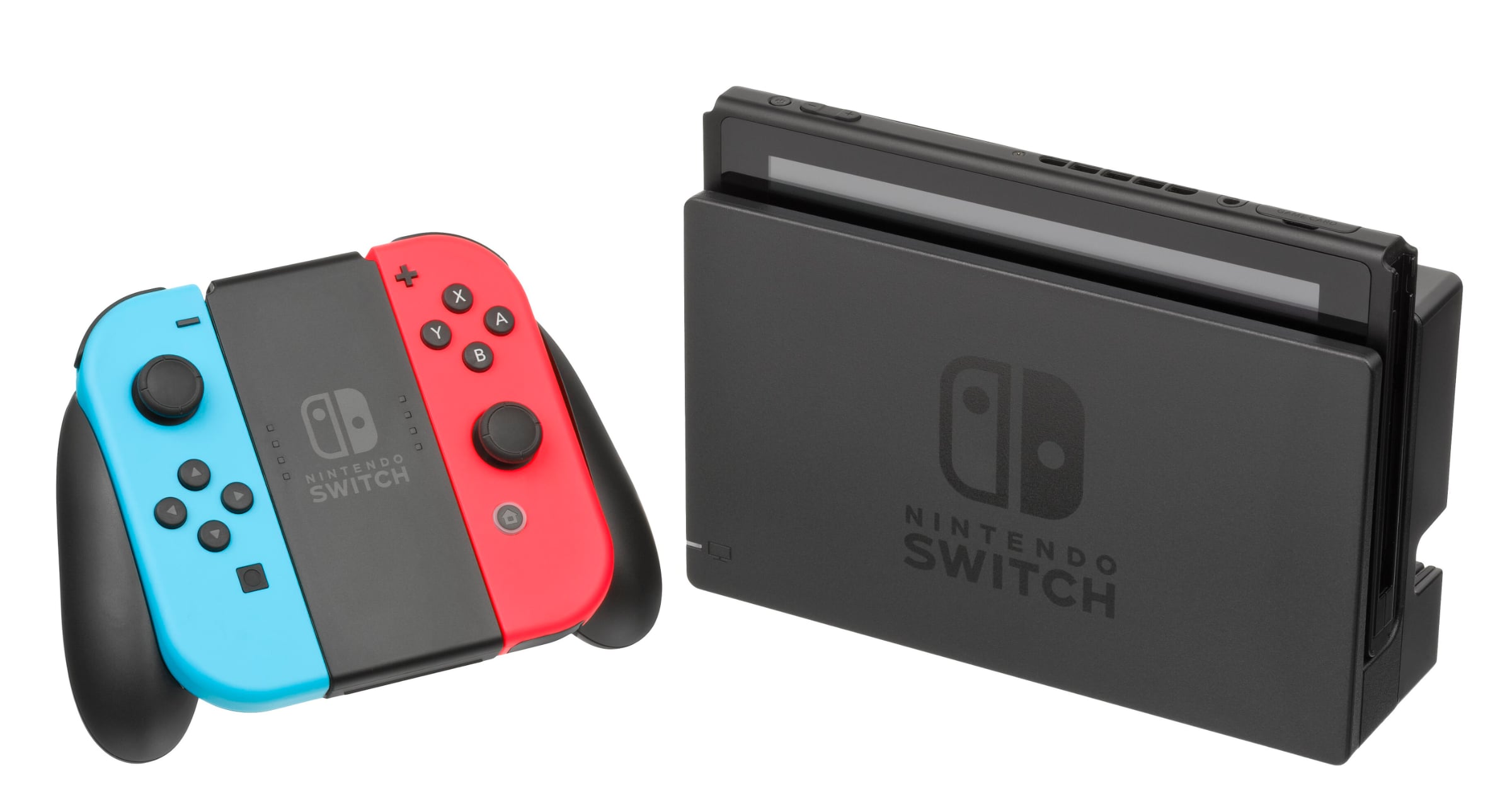
The Switch marks Nintendo's return to solid-state storage, with Game Cards. The company has been the last one to join the optical disc business, and the first one to exit it.
Also late in this generation, Microsoft introduced the Xbox One S, a console without an optical drive, also referred to as "all-digital".
Nintendo was the first major console maker to abandon optical discs. The Nintendo Switch returned to cartridges called Game Cards. Photo: Nintendo
Here we are
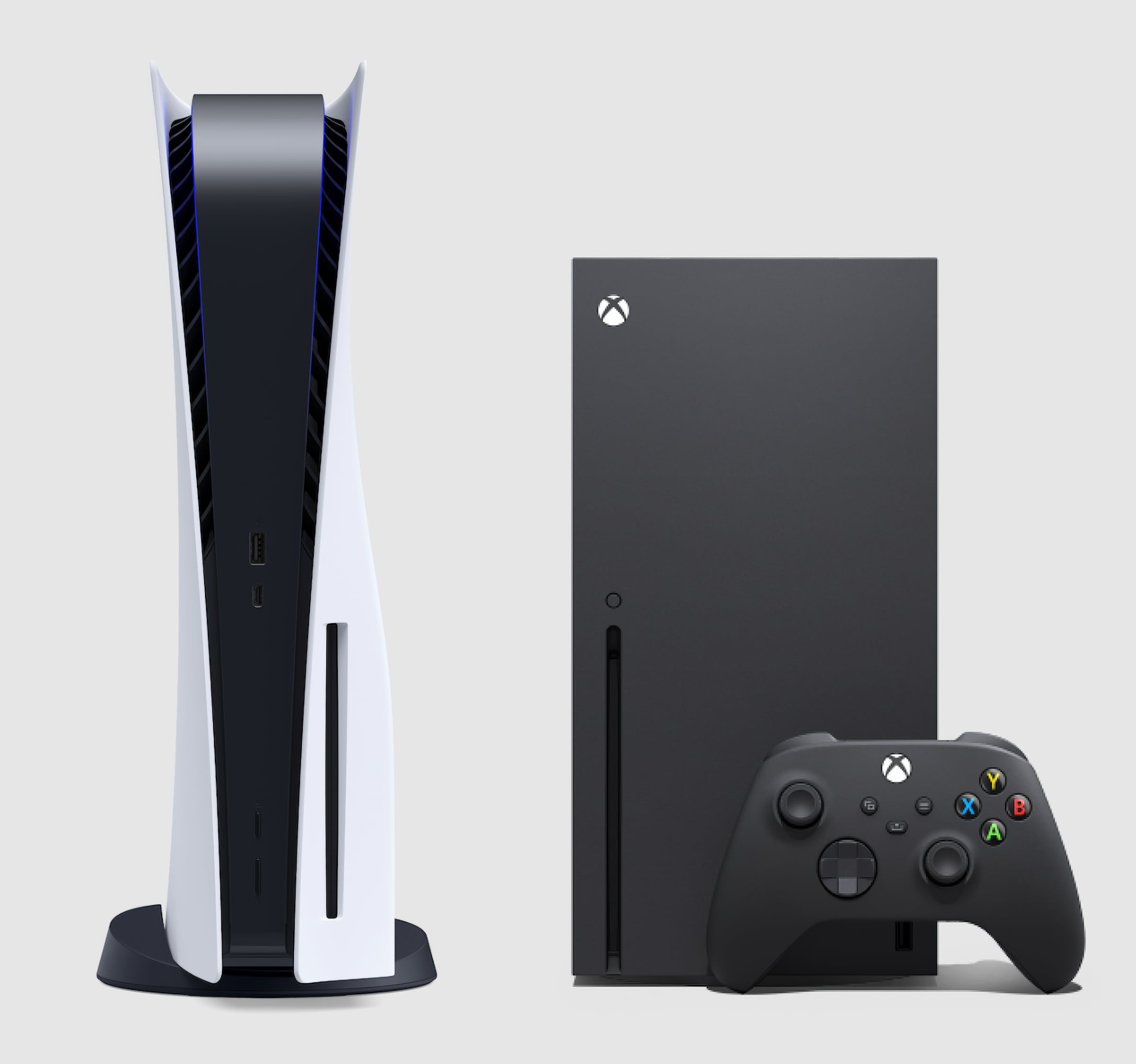
We are now on the ninth generation of consoles, with PlayStation 5 versus Xbox Series X and Series S, and Nintendo going their own way with the Switch and Switch 2.
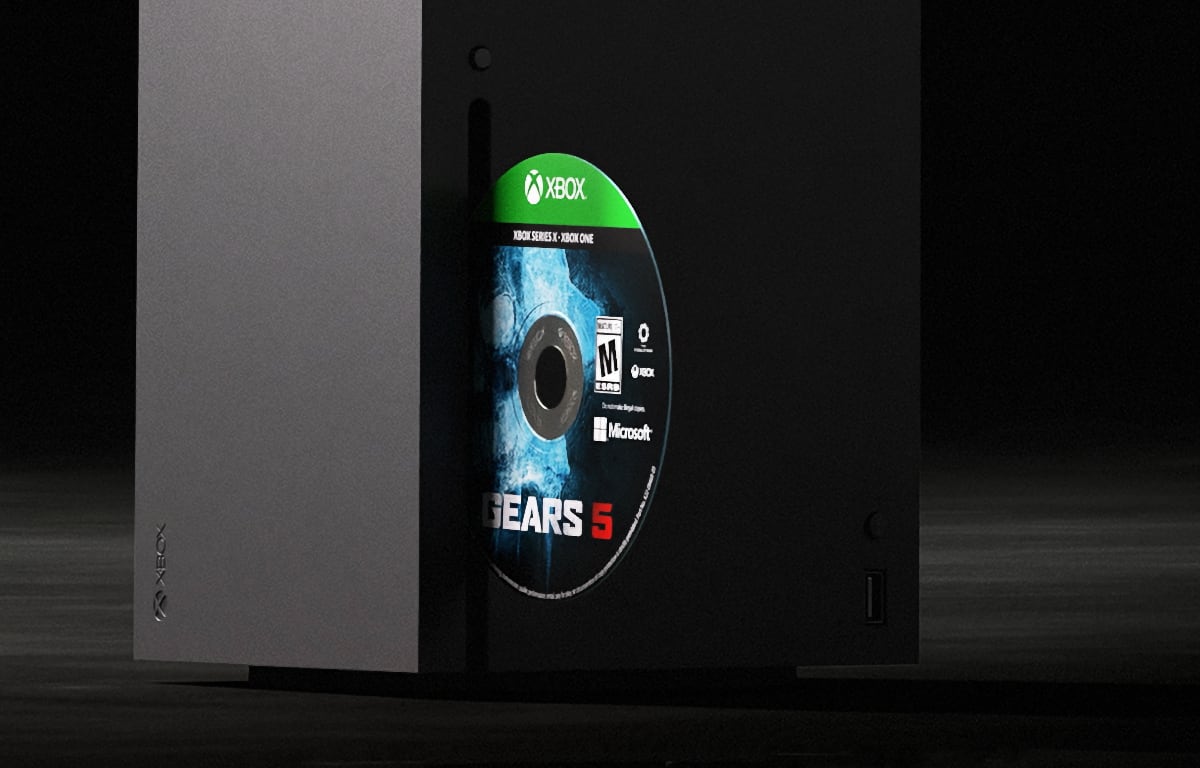
For storage, both PS5 and Xbox Series X have embraced the BD-ROM 3.x format – the same physical format that also forms the basis for the 4K Ultra HD Blu-ray video disc format, that the consoles also support. It offers up to 100 GB on triple-layer discs, with a higher density per layer than regular Blu-ray, yet using the same laser
Where the Xbox Series X is the successor the Xbox One X, again with an optical disc drive, the Xbox Series S is the follow-up to the Xbox One S, without an optical disc drive.
Similarly, PS5 was launched in a version with and a version without an optical disc drive. The mid-generation refresh has given us a 'PS5 Slim' and a PS5 Digital Edition with an optical UHD BD drive that you can attach to it. The same accessory can be added to the PS5 Pro.
PS5 and Xbox Series X both launched with UHD Blu-ray drives, although some later versions are available without an optical disc drive. Will these be the last? Photo: Sony & Microsoft
Grand Theft
This year, 2026, will see the launch of what is no doubt the most anticipated videogame of all time, Grand Theft Auto VI or GTA VI. Rockstar Games has announced the game will not be released on disc. The fact the game is likely about 150 GB in size isn't even all that important. The game could be stored on two discs and installed on the built-in solid-state drive.
The trend towards "digital-only" releases however seems unstoppable. Yes, you'll be able to buy a 'copy' in a brick-and-mortar store, but it'll be merely a download code in a box. This poses serious concerns for consumer rights as well as game preservation.
On July 1, 2026, Sony PlayStation announced they intend to stop all production of physical game discs for new titles by January 2028, to great displeasure of many game fans, prompting widespread online protests. Sony cites a continuing shift from disc sales to "digital" sales.
Evidently, PlayStation 6 will be an "all-digital" console. Microsoft hasn't publicly announced yet what they plan for the future of Xbox but their newly announced "disc-to-digital" feature for physical games is highly telling.
End of an era
Sony's PlayStation division is not alone in looking to a post-disc future. Sony's consumer AV division has already stopped making dedicated CD and SACD players. They still offer one Ultra HD Blu-ray player model, one Blu-ray Disc player, and one or two DVD player models, depending on the region. The one UHD BD Player they now offer, the UBP-X700/K launched in 2025, is a rehash of a model they launched 7 years prior, but with the streaming apps and internet connectivity stripped, and sold at a higher price. Sony has also recently said they're unwilling to support a possible Dolby Vision 2 extension of the format by means of a software update.
Remember that Sony is the company that together with Philips invented the CD format. It's the end of an era.
Also fitting with this trend is Sony's announcement they'll no longer produce recordable discs, and DVD/BD Recorders – a product category that they only ever launched in Japan.
The number of manufacturers offering Ultra HD Blu-ray players in the west has shrunk to just three: Sony, Panasonic, and Magnetar, after Samsung, Oppo, Pioneer, Philips/Funai and LG have quit.
A New Hope
CDs have been with us for over 40 years now, and are seeing something of a resurgence, in the wake of the vinyl revival. The same is true of movie discs, which Gen Z is embracing. Especially 4K Ultra HD Blu-ray is growing again.
Let's hope that music discs, movie discs and game discs and the hardware needed to play them will remain available for many more years to come. It's in the consumers' best interest: the best picture and sound quality; no tampering with and censoring of media you've bought; no companies removing your access to an album, a film or a game when licenses expire; media you can hold in your hand, store on a shelf or display on a wall to admire; and no algorithm tracking what you listen to, watch, or play.
It may be a niche, but let's celebrate physical media. Every day.
Yoeri Geutskens graduated in Industrial Engineering & Management Science with a thesis on the videogames industry. He’s been Philips’ resident games industry observer for over a decade. He’s worked at Philips Optical Storage and Philips Consumer Electronics, in product management for DVD Recorders and Super Audio CD players, and together with Sony on standardization of the Blu-ray Disc format. At NXP Semiconductors he was Business Creation Manager for the videogames industry. Yoeri is also author of the PS3 SACD FAQ and blogs about 4K/UHD and Ultra HD Blu-ray. He’s been playing games since the first console generation. His first games console was an Odyssey 2100.
Sign up for FlatpanelsHD's newsletter
The latest news, in-depth articles, reviews, and exclusives in your inbox.